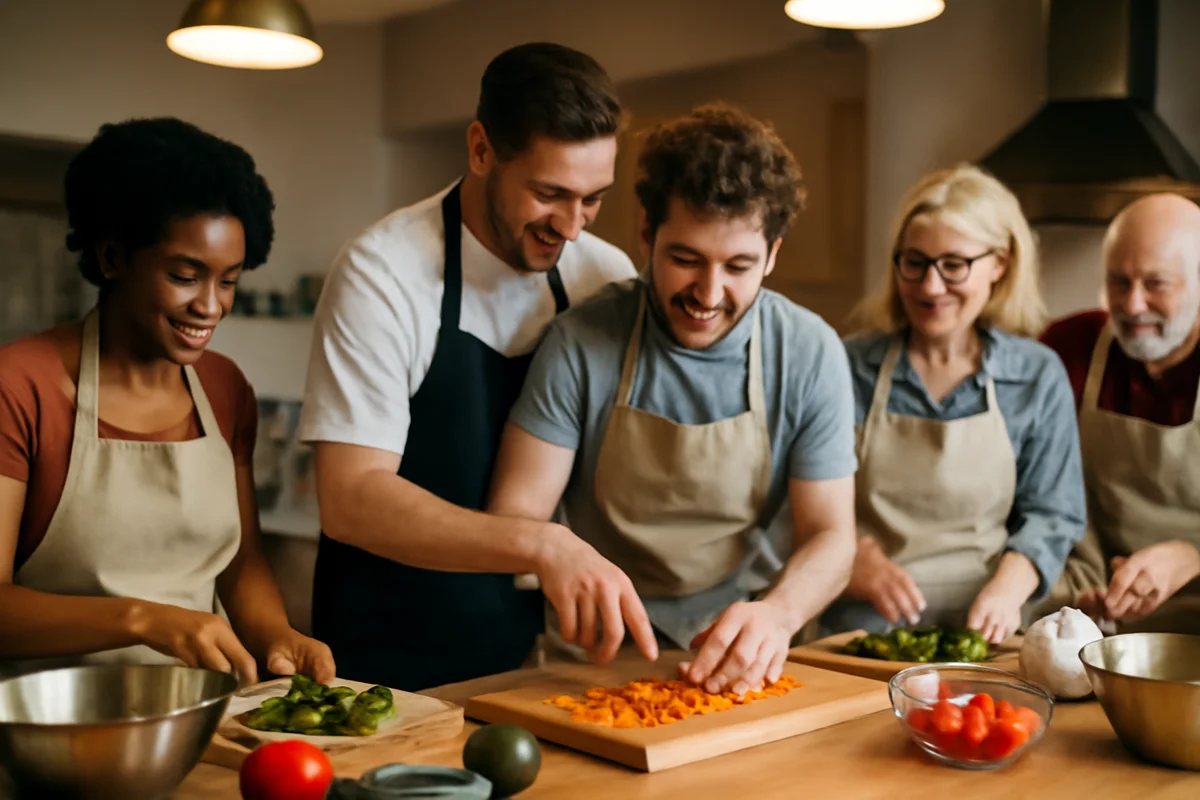
You might be wondering what goes down in your first cooking class, especially if you’ve never taken one before. Well, your first class includes hands-on prep, chef guidance, and a meal you’ll cook and eat together.
And that’s just the start. You’ll learn timing secrets that help dishes come together at the right moment, plus knife skills that make prep work faster and safer in your own kitchen.
As a restaurant that teaches home cooks, we’ve seen plenty of beginners worry they’ll slow everyone down or mess up their first dish. But you don’t have to be one of them.
In this guide, we’ll cover what happens during these sessions, the essential cooking skills you’ll gain, and how long cooking classes for beginners typically last. This helps you walk in confidently instead of wondering what comes next or whether you’ll keep up.
Read our insights to see exactly what your first class looks like and how to get the most out of the experience.
What Happens During Your First Cooking Class?
Your first cooking class starts with a welcome snack, then you prep ingredients, cook a 3-course meal with the chef’s guidance, and eat everything together at a communal table. Most classes follow this same flow because it gives beginners time to learn each step without feeling rushed.
Let’s break down what you’ll experience from start to finish.
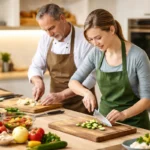
You’ll Get Hands-On Practice With Real Ingredients
The best part about beginner cooking classes is that you work with actual ingredients from day one instead of watching demonstrations. Instructors provide fresh vegetables, proteins, and pantry staples for cooking, so you don’t need to bring anything from home.
You’ll chop, sauté, and season alongside other students in the kitchen. When you practice techniques with real food rather than just reading about them in a recipe book, cooking becomes easier and sticks with you longer.
Here’s what to expect: The chef demonstrates each technique first, so you don’t need any previous experience. You’ll see exactly how to hold your knife, when to flip proteins, and how much heat creates the right char on vegetables.
The Chef Walks You Through Each Step
Ever wonder why restaurant chefs make cooking look so easy while you struggle at home? It’s because professional chefs break down every cooking technique into simple steps that anyone can follow.
For instance, they’ll show you why high heat sears meat properly or why you should salt pasta water. This knowledge helps you cook better at home instead of just memorizing recipe steps.
Also, they answer questions and fix mistakes as you cook together in class. When someone’s garlic starts burning, or their sauce gets too thick, the chef steps in immediately to teach the fix. So you learn proper cooking methods that work in real kitchens.
You’ll Cook and Eat a Complete Meal
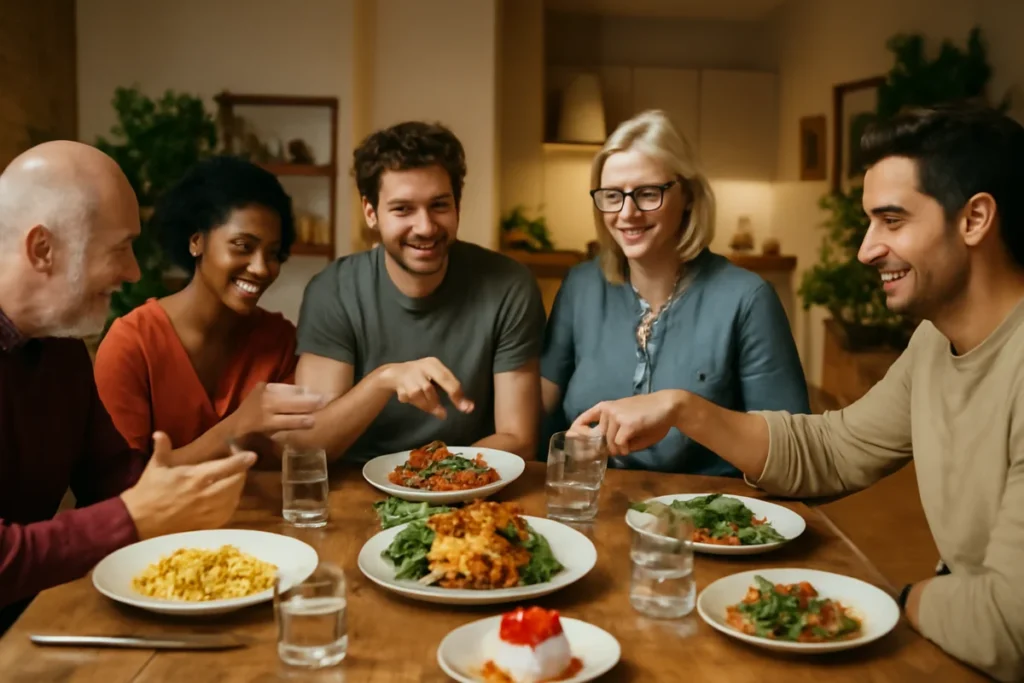
Classes end with everyone sharing the delicious meal they prepared, which usually includes an appetizer, main course, and dessert.
Eating together lets you taste the results of new techniques you learned during the session. You’ll notice how proper seasoning changes simple ingredients or how the right cooking time makes chicken juicy instead of dry. The reason instructors include this step is that tasting your success builds confidence faster than anything else.
The Takeaway: Most cooking classes provide printed recipe cards or access to online resources so you can practice these same meals with your mom, friends, or at dinner parties.
Essential Cooking Skills You’ll Learn as a Beginner
Building confidence in the kitchen starts with learning two foundational skills that every single recipe depends on. These two things include knife handling and heat control.
Even after years of teaching home cooks, we’ve noticed these fundamentals count more than memorizing dozens of recipes. The basics give you freedom to experiment with any meal once you understand how they work.
Get a handle on the essentials below to speed up your progress:
1. Knife Handling and Basic Cuts
Did you know that proper knife technique cuts your prep time in half? Yes, you read that right.
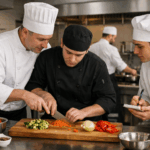
The right grip prevents accidents and makes chopping vegetables much faster, and proper technique is easier to learn than most people think. You’ll practice different cuts like:
All these different cuts affect cooking times. Once you nail this, you’ll wonder why you spent years hacking away with a dull blade (we’ve all been there, and the tomatoes definitely knew it).

2. Understanding Heat Control and Timing
When you understand heat control, you’ll stop burning garlic and finally cook chicken that’s juicy instead of dry. After trying dozens of cooking classes, we’ve noticed most beginners struggle with temperature management.
What you need to know is that low heat builds flavor while high heat creates char and crust. That’s why instructors teach when to flip proteins and adjust burner temperatures throughout each dish.
Speaking of time, one question comes up more than any other from people signing up for their first class.
How Long Do Cooking Classes for Beginners Actually Last?
Most beginner cooking classes last between 2.5-3 hours, including prep work, cooking time, and eating the meal you prepare. Let’s be honest here: 3 hours might sound like a lot, but the time goes by quickly when you’re having fun in the kitchen.
The first thirty minutes cover knife skills and ingredient prep basics. You’ll learn how to hold your knife properly, dice onions without tears, and organize your workspace as professional chefs do in restaurants across America.
Actual cooking takes about ninety minutes with chef guidance throughout the process. The reason classes run this long is that instructors walk through each cooking technique step by step, answer questions as they come up, and ensure everyone keeps pace without feeling rushed.
The final hour is where you sit down and enjoy the delicious meal you just created. This part is interesting because you get to taste what proper technique produces, and it builds your confidence to try these same recipes at home.
While some cooking courses run shorter at around two hours, online cooking classes might stretch across multiple sessions. The format you choose depends on how much time you can commit and whether you prefer learning in person or from your own kitchen.
Getting the Most Out of Your First Cooking Course
Once you know what to expect timing-wise, you can make the most of every minute in class. But wait, there’s more to it than just showing up and following along.
Based on our experience, we’ve picked up a few things that help you learn faster and get more comfortable in the kitchen.
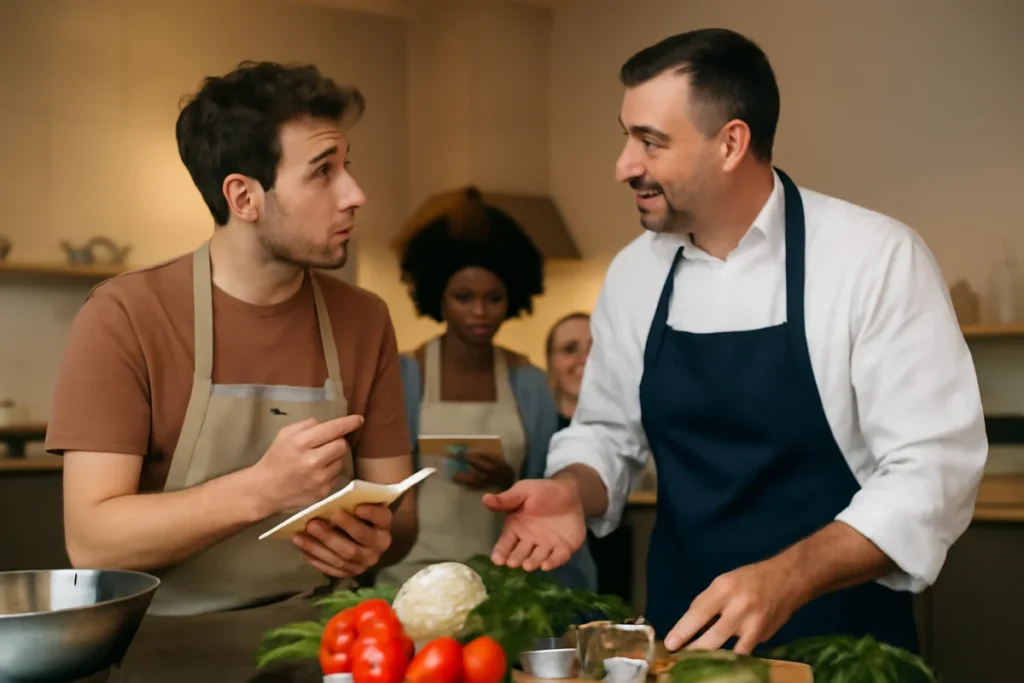
Here are the basics that strengthen your technique from day one:
- Ask Questions: Professional chefs have heard every question before, from “how do I know when the oil is hot enough?” to “can I substitute this ingredient?” They’re there to teach, and the only bad question is the one you don’t ask.
- Take Notes: Most people think they’ll remember everything, but you’ll cover so many skills in one session that writing down key tips makes practice easier later. So write down when to flip your chicken, what medium heat looks like on your stove, or how much salt the chef used.
- Come Hungry: Try arriving with an empty stomach so you can fully enjoy the delicious meal you create. You might find the right fit for your new favorite recipe to share with friends at future dinner parties.
If you’re torn between in-person sessions and online cooking classes, consider what helps you learn best. Some people need hands-on guidance from chefs right there in the kitchen, while others prefer following along from home, where they can pause and rewind.
Even so, YouTube videos and online resources give you plenty of flexibility. But nothing beats the immediate feedback you get in a physical class. Our beginner-friendly cooking courses at Fiore Restaurant focus on that real-time guidance, helping you build confidence with each technique.
Begin Your Culinary Adventure Today
Your first cooking class removes the mystery from cooking techniques you’ve avoided for years. You’ll leave with practical skills and recipes to use immediately in your kitchen.
In this article, we’ve covered what happens during your first class, the essential cooking skills you’ll learn, and how long these sessions actually last. Now you know exactly what to expect when you walk into that kitchen, from hands-on prep work to eating the delicious meal you create.
The confidence you build carries over to every meal you cook at home. Sign up for a beginner-friendly class and discover that learning to cook is actually approachable.
Warning: Undefined variable $tax_query in /sites/fiorerestaurant.net/files/wp-content/plugins/advanced-recent-posts/includes/class.widget.small.thumbnails.php on line 123
Recent posts