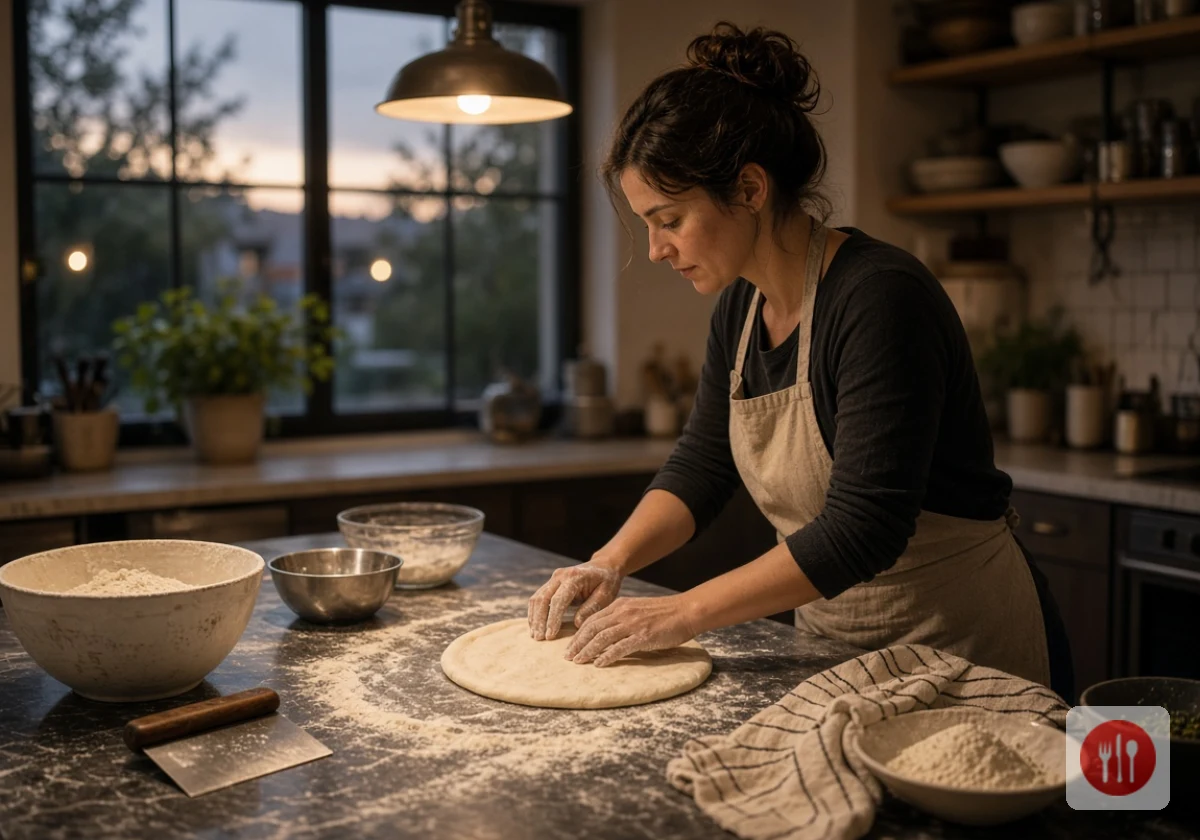
Your kitchen’s temperature sets how fast pizza dough proofs. The same recipe might rise in two hours on a warm afternoon but take five in a cool kitchen. Yeast works faster in heat and slower in cool air, so recipe timings are only a starting point. That’s why so many home bakers end up with
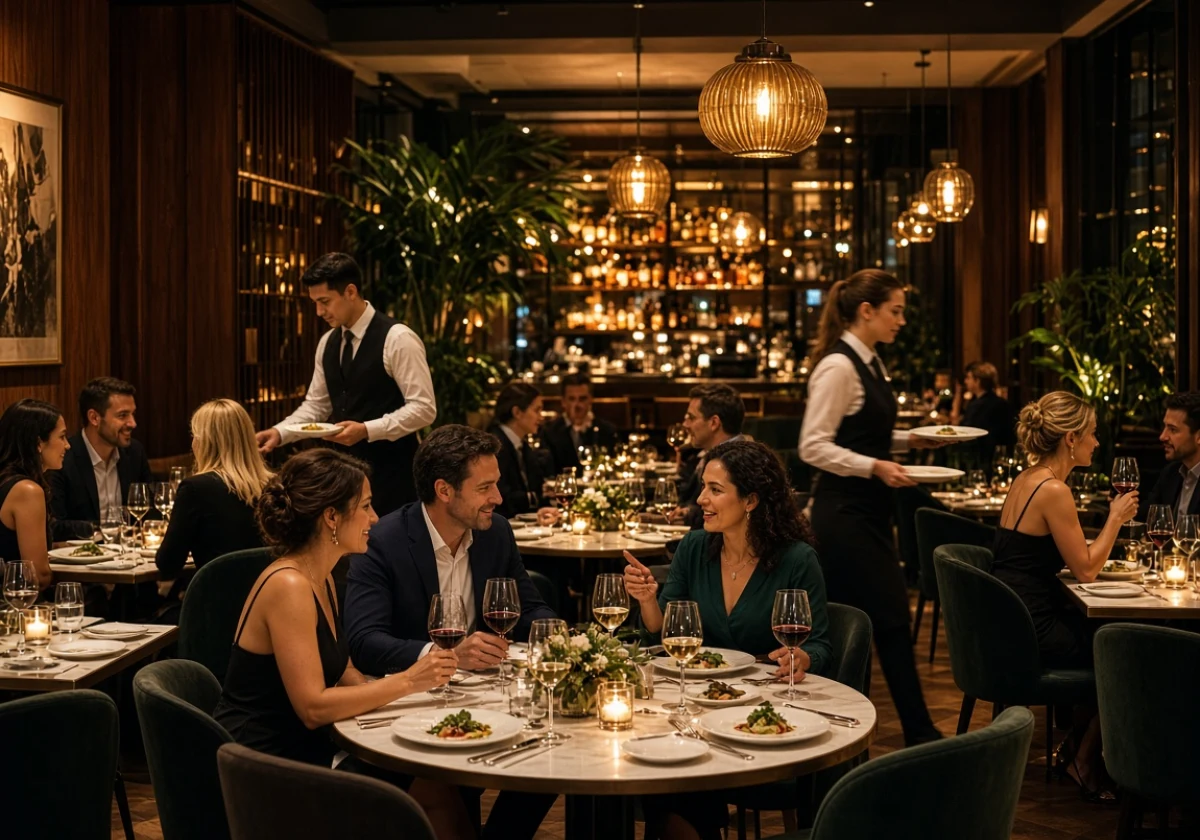
Restaurants balance food quality and customer experience by pairing consistent kitchen standards with warm, attentive hospitality at every table. Both sides are important because even a well-prepared meal can disappoint if guests feel ignored when they arrive. But this balance is difficult as the kitchen and the dining room run on different clocks. Fiore Restaurant

Restaurant menus reflect culinary identity through the fonts, layout, dish descriptions, and prices a restaurant presents to its guests. And each of those choices tells a diner what your kitchen values, long before anyone tastes the food. Guests even pick up those signals in the first few seconds, which is why treating the menu as
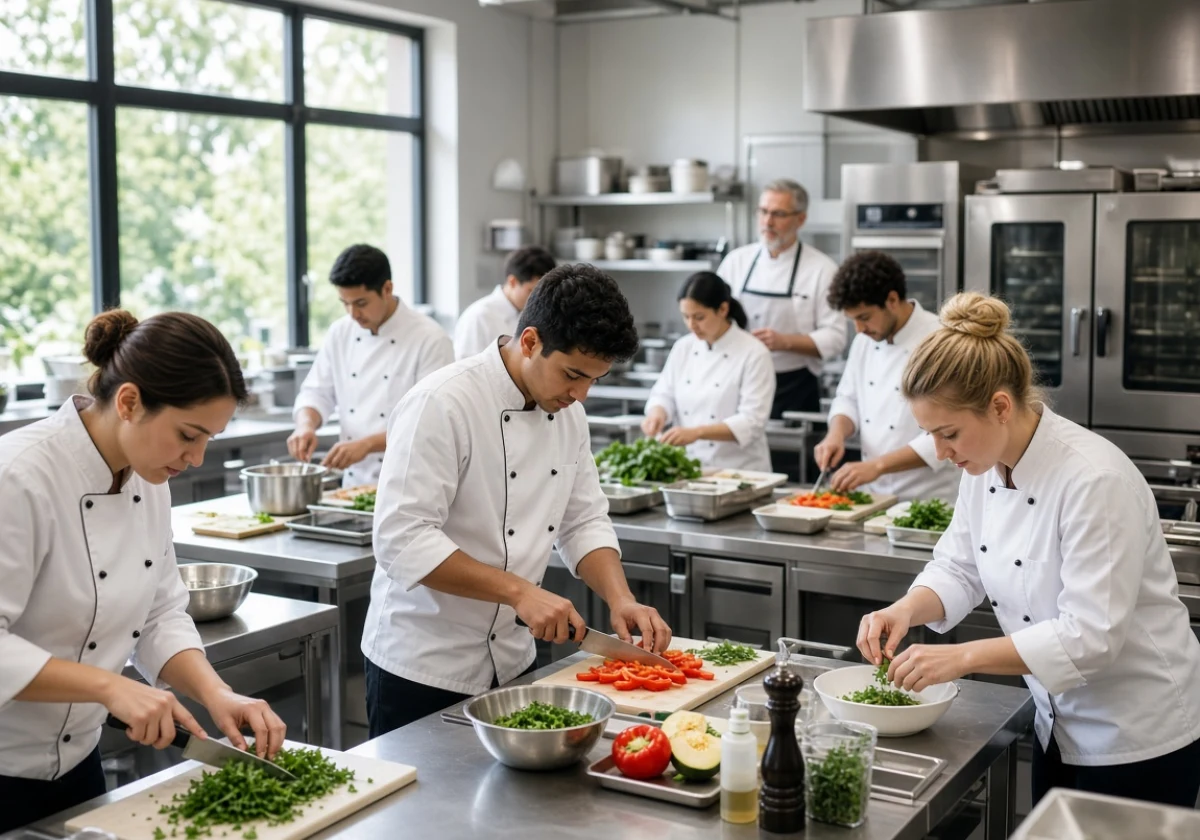
Culinary arts programs teach the method behind each recipe, not just the steps. Italian cuisine rewards that training because its simple dishes expose every decision a cook makes. That understanding rarely arrives on its own, though. At Fiore Restaurant, we’ve watched guests taste a familiar dish in a new way after cooking it once themselves.
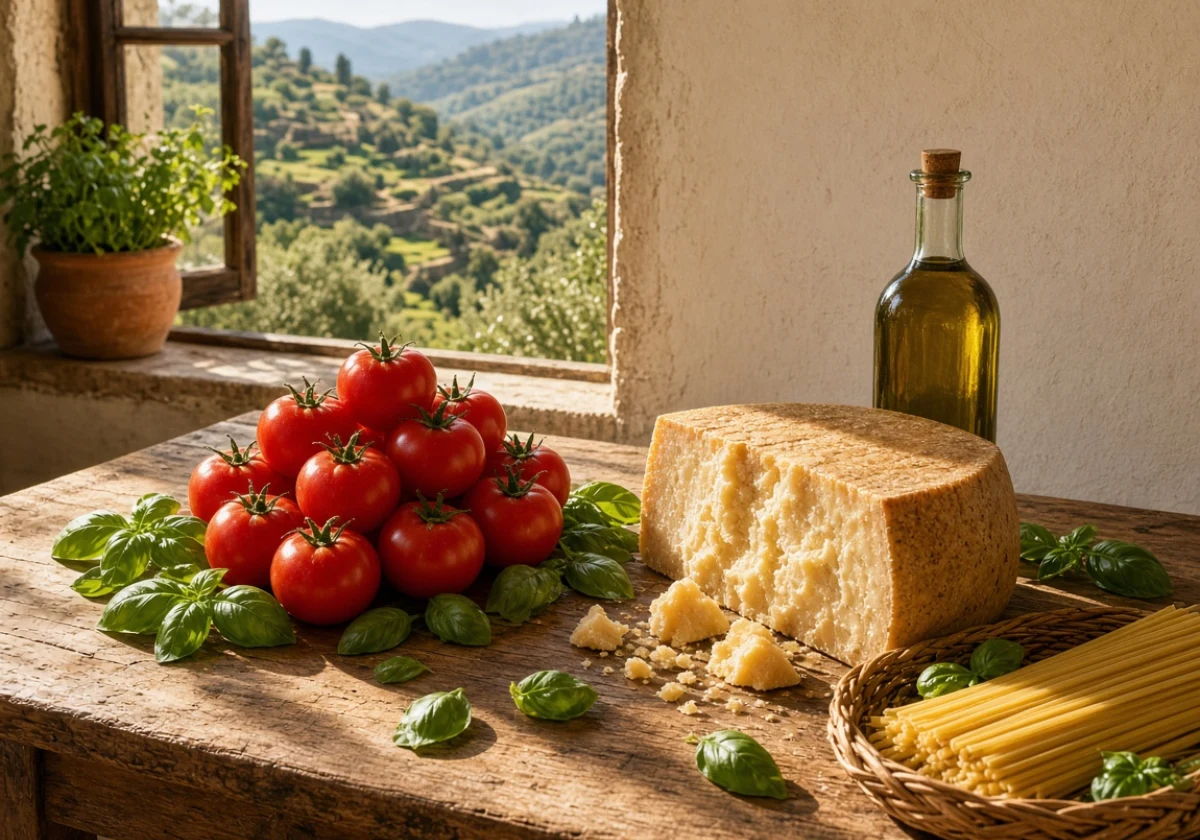
A simple bowl of pasta often tastes better than a dish with twice as many ingredients. The difference usually comes down to preparation. Italian cooking relies on the right ingredients, techniques that suit the dish, and traditions that vary from one region to another. Take pasta, for example. You can cook it perfectly and still
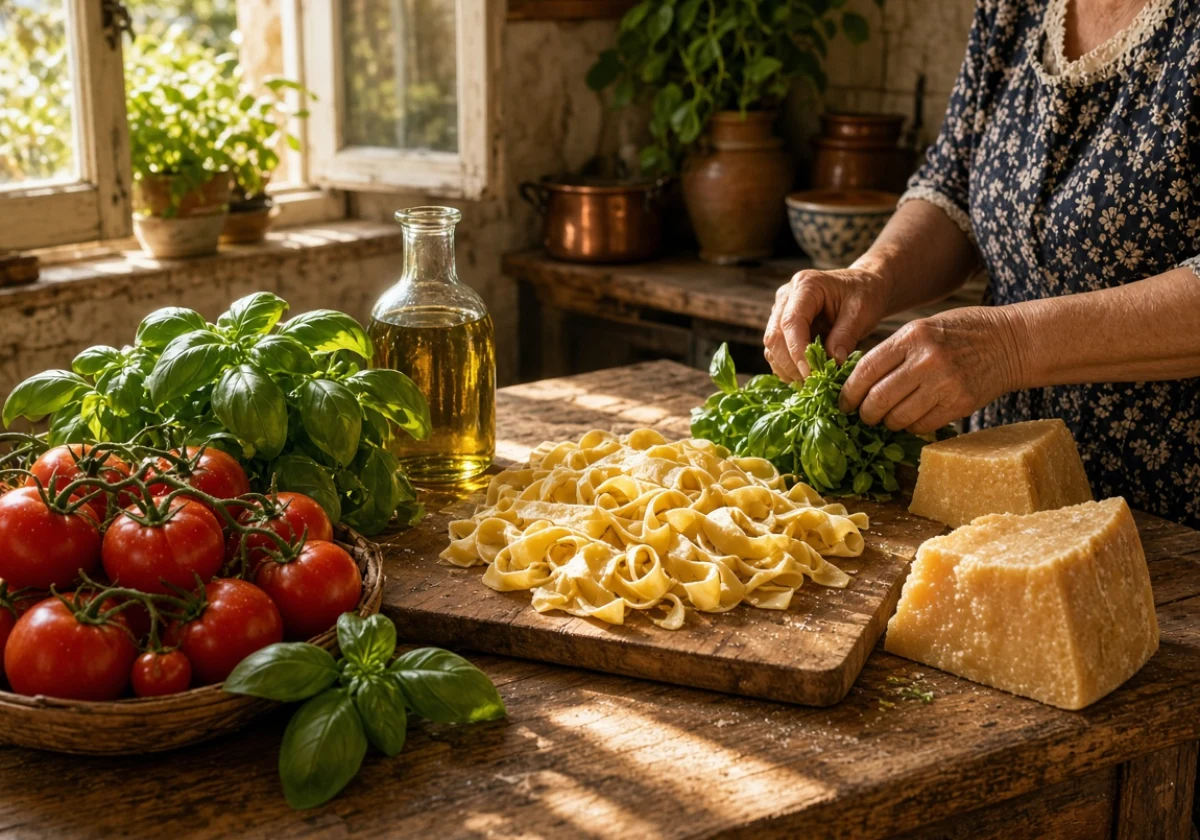
Italian food traditions rest on three habits: seasonal produce, regional recipes, and long shared meals. Many diners meet these culinary traditions far from Italy through menus at places like Fiore Restaurant rather than through travel. A menu lists the dishes, but it rarely explains the history of Italian cuisine behind each course. This guide covers
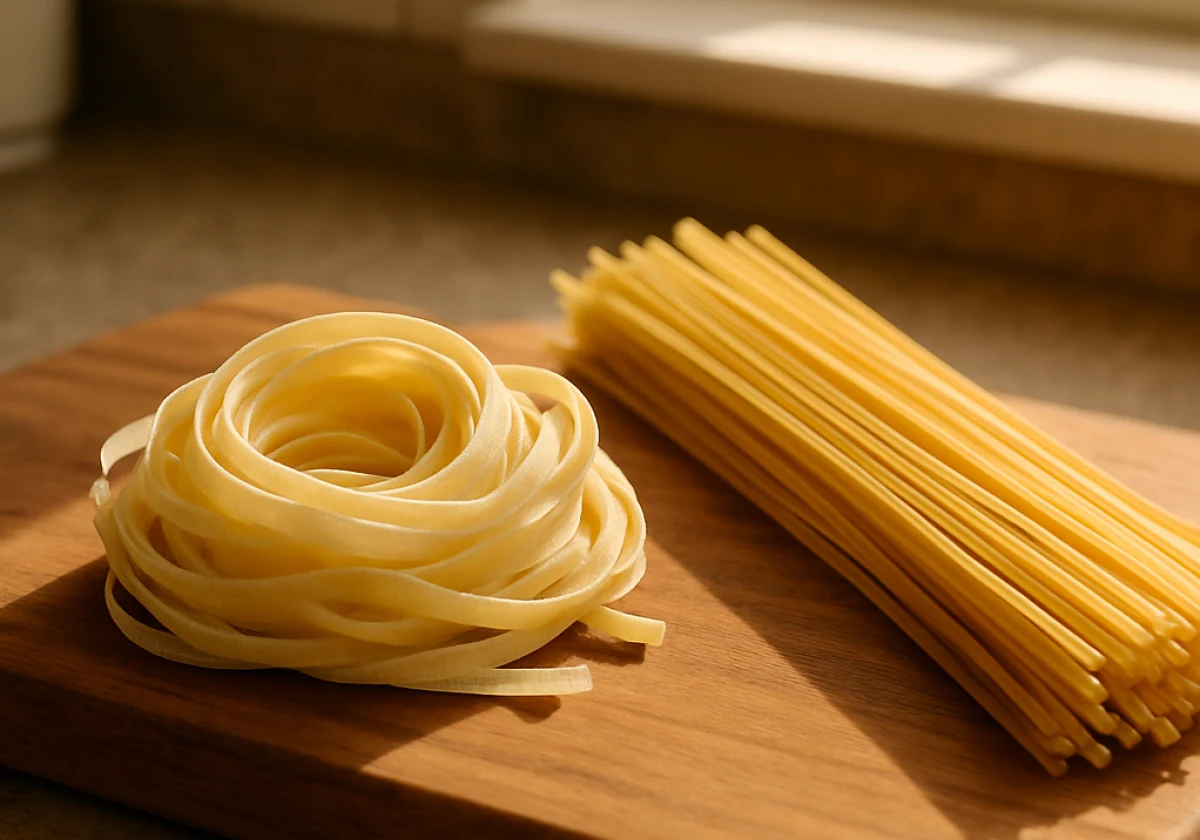
Fresh pasta differs from store-bought pasta in its ingredients, texture, cooking time, shelf life, and cost per serving. Those five gaps decide which one belongs in your pot tonight. Most home cooks settle the homemade vs. store-bought pasta question out of habit. And then they wonder why a sauce slides off the noodles or why
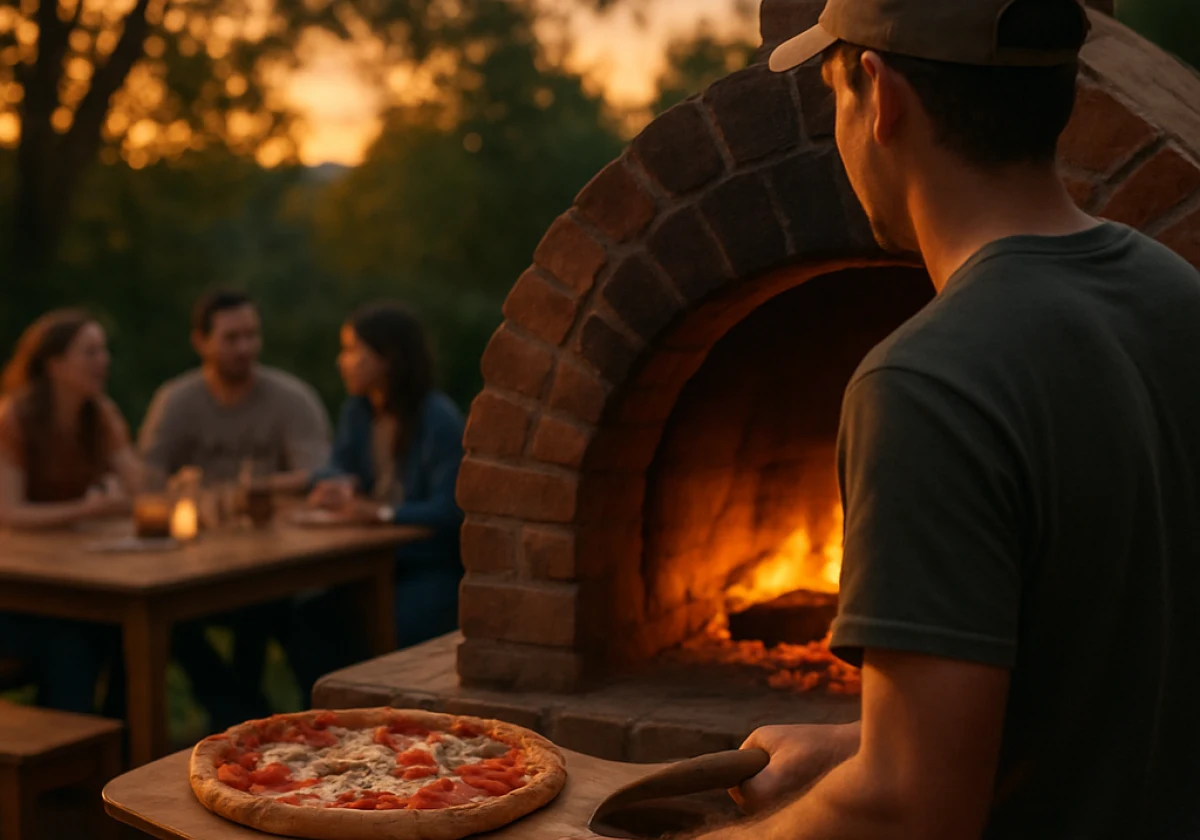
Wood-fired ovens and electric ovens both put a hot pizza on the table, but they get there in different ways. A wood oven burns a live fire. An electric oven runs on a thermostat and a dial. At Fiore Restaurant, home cooks ask us every week which oven makes the better pie. The question usually
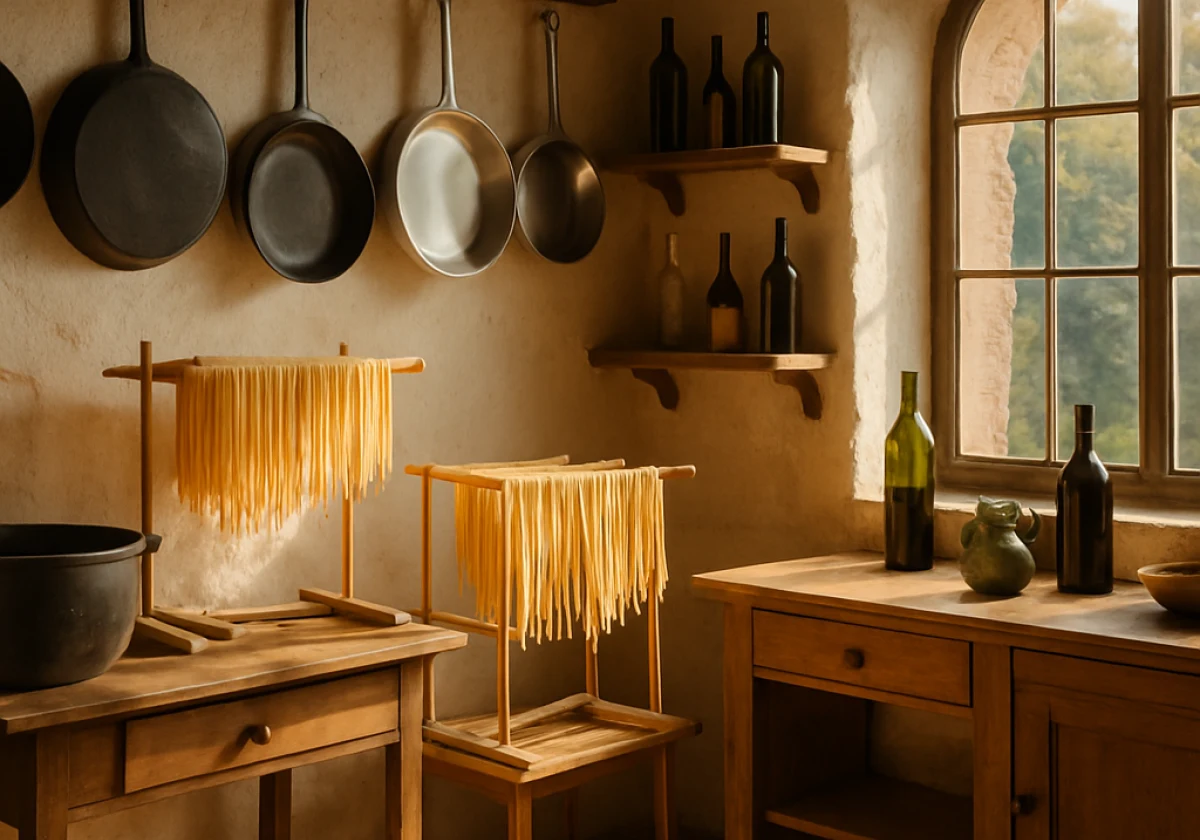
Traditional regional Italian food and modern Italian cuisine have changed through new ingredients, lighter techniques, and globally influenced menus. Both still carry the same roots, yet they land on your plate in two different ways now. That shift confuses a lot of diners. They expect every Italian kitchen to cook the way a grandmother in
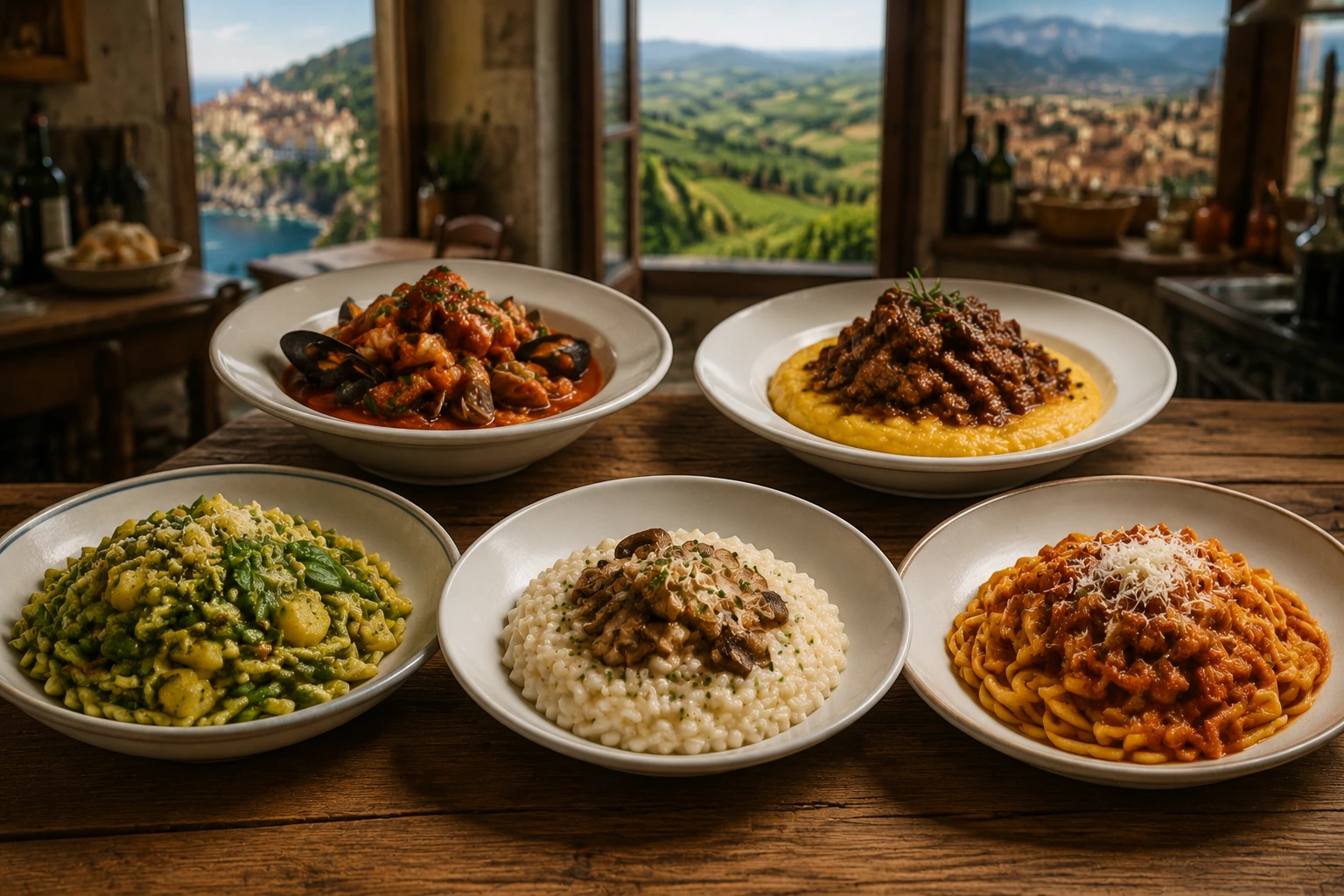
Italian food tastes different across every region because geography and climate pushed each area toward its own ingredients and methods. And those differences run centuries deep. People often assume Italian food is one unified cuisine, the same dishes and flavors, just served in different cities (spoiler: it isn’t). This assumption leads to missed flavors, wrong