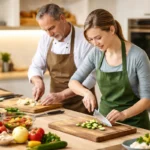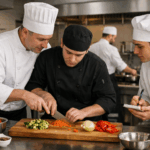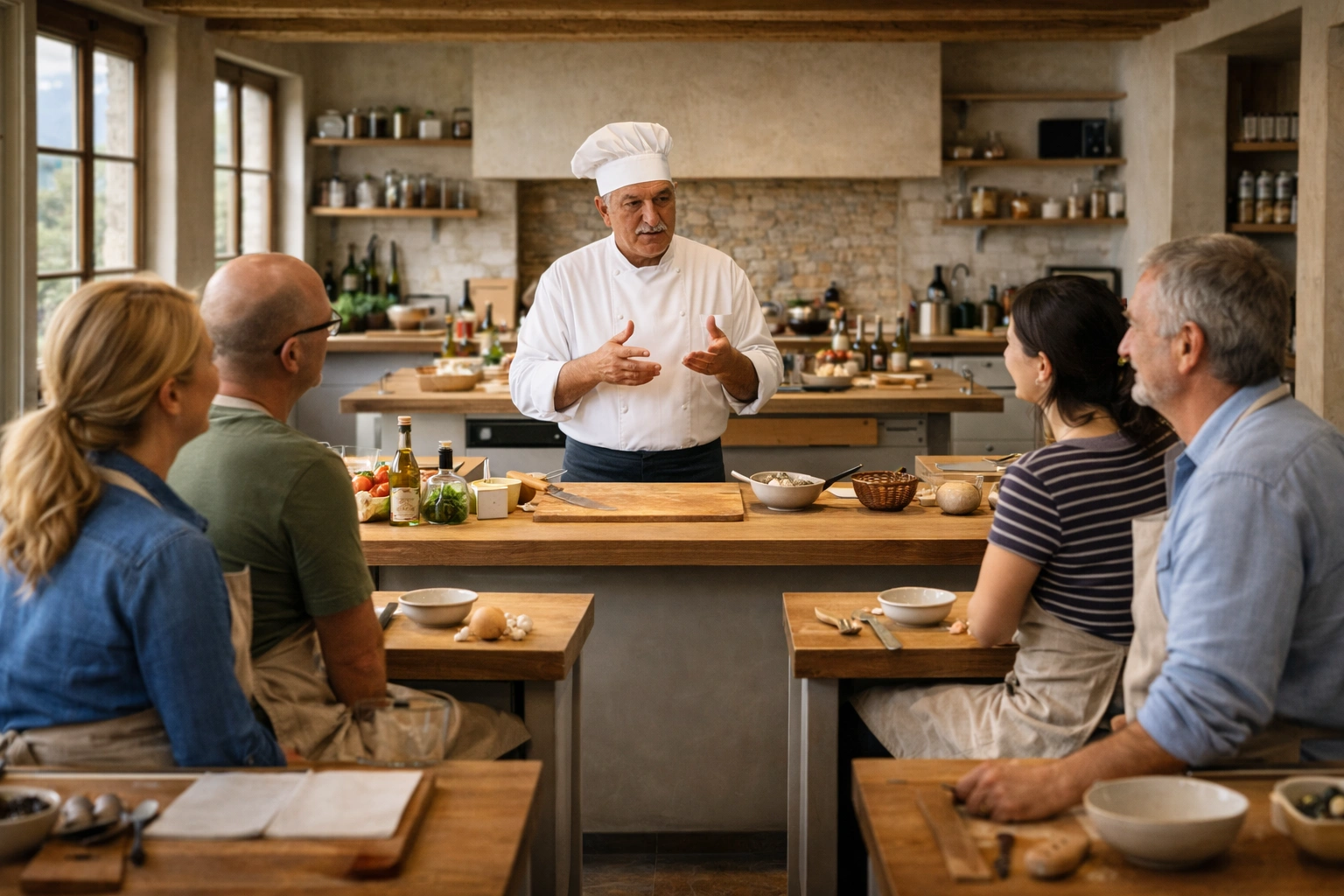
A great cooking class balances expert instruction with room for experimentation. This gives students the skills and confidence they need to cook well at home. To put it simply, a memorable cooking class starts with how instructors teach and what students actually practice.
However, most cooking classes focus too much on recipes rather than building real culinary skills that help in any kitchen. That’s why students feel unsure how to recreate dishes without step-by-step guidance, and they leave.
In this guide, we’ll cover those processes that make cooking classes successful, from essential knife skills to creating the right learning environment. And you’ll learn practical tips that:
- Help students master techniques
- Understand cooking fundamentals through Italian cuisine
- Leave class ready to cook with confidence
Ready? Let’s dig in.
What Goes Into a Successful Cooking Class?
A successful cooking class gives students clear instructions, hands-on practice time, and small wins that build their confidence. Drawing from our experience at Fiore, we’ve seen how these elements work together to support capable home cooks who genuinely enjoy cooking.
Let’s explore these elements in detail.
Clear Instructions That Anyone Can Follow
In a successful cooking class, instructors first demonstrate each technique slowly, then let students try it while explaining what to watch for. This technique is important because it shows how the garlic sizzles in the pan or how the pasta dough feels before trying it yourselves.
If the instructor breaks recipes into numbered steps, it prevents confusion and helps students stay on track. Plus, they focus on one thing at a time instead of juggling ten tasks at once.
In cooking classes, instructors should use everyday language instead of fancy culinary terms to keep techniques easier to understand and remember. For example, when chefs talk about “sweating onions” rather than “sautéing until translucent,” students understand better.
Hands-On Practice With Real Ingredients
Students learn better when they chop vegetables or roll pasta dough themselves during the lesson. That’s how hands-on practice helps skills stick in a way that watching someone else never does.
Beyond that, when you practice with actual ingredients, you understand how tomatoes feel when they are ripe or how pastry should look when baked. These sensory details stay with students long after class ends.
Verdict: Mistakes you make during class become valuable learning moments. It builds your real kitchen problem-solving skills. For instance, burnt garlic or oversalted sauce teaches you what to avoid next time.
Building Confidence Through Small Wins
You can start classes with easy-to-learn tasks like mincing garlic or whisking eggs. It gives them immediate success that they can build on. Gradually, these quick wins add up fast to prove cooking isn’t some mysterious skill only chefs possess.
Each completed technique proves your students can handle the next challenge. Once they nail chopping onions, they’ll feel ready to tackle dicing shallots or julienning peppers.
Sometimes, celebrating small victories helps nervous beginners realize cooking isn’t as hard as they thought (we’ve all been that nervous beginner at some point). That confidence carries them through tougher techniques later in the course.
Culinary Skills Every Student Should Master
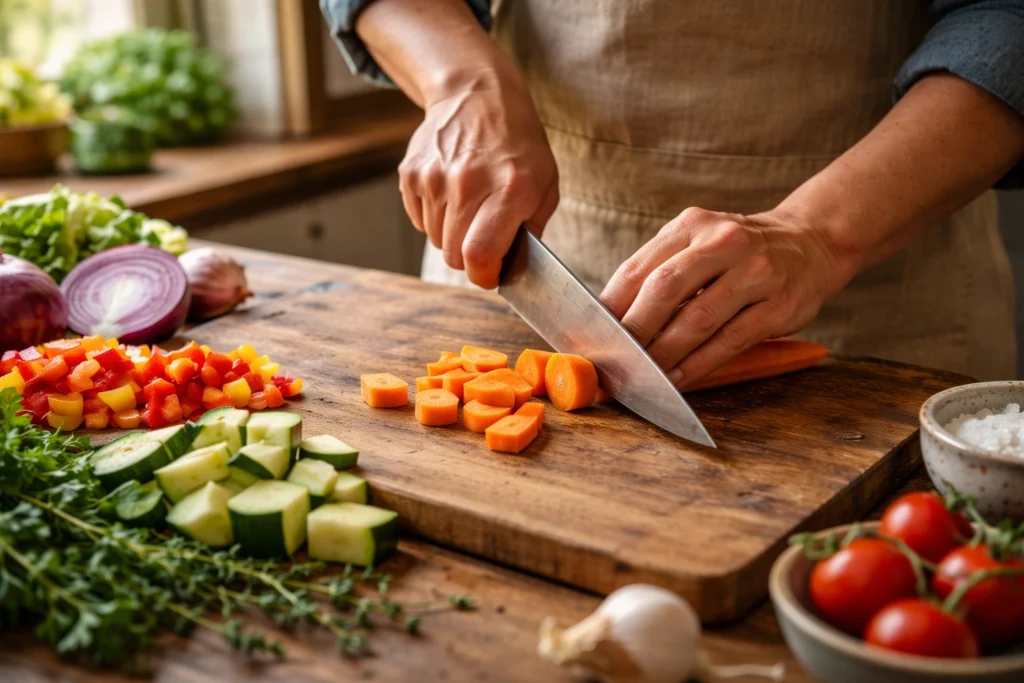
Most home cooks skip the fundamentals and jump straight to recipes, which explains why cooking feels harder to them later. That’s why you should start teaching basic skills first, because proper chopping and heat control are used in almost every dish students will cook later.
Now, let’s have a look at the basic culinary education your student should master:
Knife Skills That Make Prep Work Faster
The best part about good knife skills is that you spend less time chopping and more time cooking. With this skill, you’ll also get a suitable claw grip to protect fingers and chop vegetables quickly yet uniformly.
Generally, a sharp knife requires less pressure and gives better control. It lets you cut things more safely and precisely than dull blades.
Proper cutting techniques also reduce prep time by half or more, which makes cooking feel less like a chore at home (and yes, anyone who’s wrestled with a dull knife knows this pain).
Understanding Heat and Timing
Your skill to use high heat for searing versus low heat for simmering prevents burnt food and undercooked meals. You may have wondered many times, thinking how experienced chefs always get the timing right without constantly checking temperatures.
Well, visual cues like sizzling sounds and color changes help chefs judge doneness without constantly checking temperatures. These sensory signals also tell you when garlic turns golden or vegetables start to caramelize.
Beyond that, you can learn cooking temperatures of different proteins and vegetables to build your intuition that recipes can’t always teach. After making a few dishes in class, students begin to build this intuition and recognize these patterns better. Then they start to craft their own creative techniques independently.
How Italian Cuisine Teaches Cooking Fundamentals
Italian cuisine teaches fundamentals by focusing on simple techniques, such as proper seasoning, controlling heat, and allowing quality ingredients to shine without complicated steps. Besides, Italian recipes rely on a few good ingredients prepared correctly, which teaches students to focus on technique first.
Italian culinary arts work well for teaching because of their simplicity. Frankly, you don’t need twenty ingredients to make incredible food to understand how heat and timing convert basic ingredients into restaurant-quality meals.
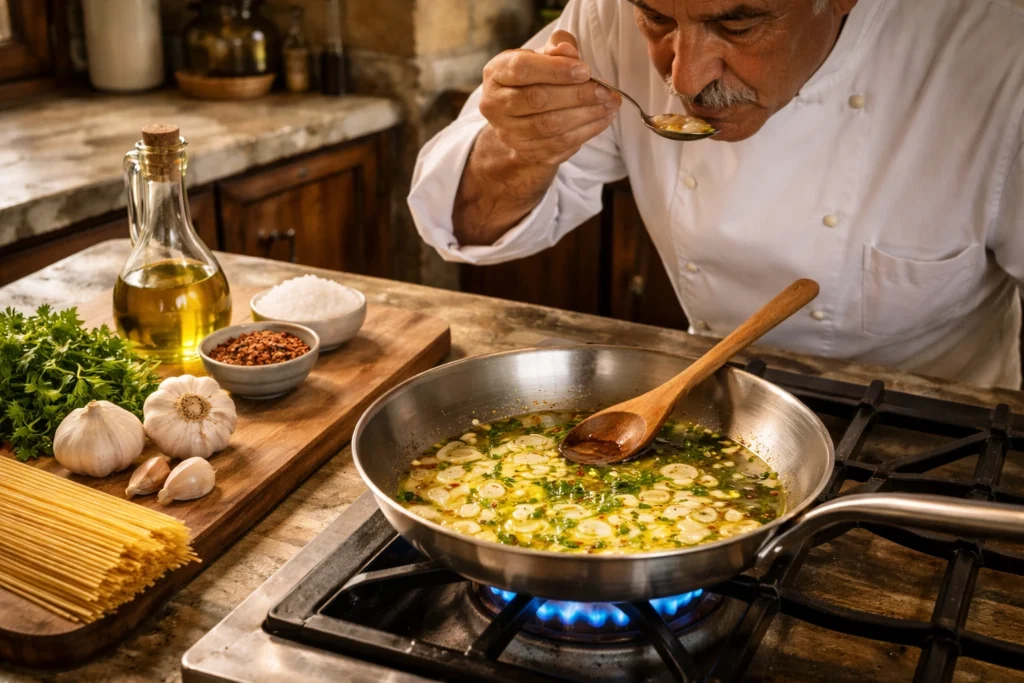
Sometimes, you can learn it by cooking a simple “pasta aglio e olio“. For example, when you cook the garlic too fast, it burns. If it’s too slow, then it stays raw. So, a fine dining pasta depends on whether you get the temperature right.
Italian cooking usually emphasizes tasting and adjusting seasoning while cooking. So, this process helps students develop their palate and cooking instincts. That’s why chefs at Italian culinary institutes teach this philosophy in their courses
Setting Up Your Culinary Arts for Results
Now that you know what skills to teach, let’s talk about creating the right environment where students actually learn. The right setup and preparation make students feel comfortable instead of worrying about making mistakes.
Here are the elements of the right setup explained.
The Right Kitchen Tools and Ingredients
When you start with basic equipment like sharp knives and heavy pans, it ensures students can replicate these techniques at home. You don’t need a fancy gear here to teach solid cooking skills.
On top of that, fresh and quality ingredients show students how good components make tasty recipes without complicated steps.
Pre-measured materials also let students focus on technique instead of getting lost in measuring and prep work. This approach keeps classes moving and prevents that common problem where half the students fall behind during prep.
Creating a Comfortable Learning Space
The best part about a relaxed classroom atmosphere is that nervous beginners can ask questions and participate more. Through our practical knowledge at Fiore, we’ve seen how the right location and setup change everything.
Most importantly, you can arrange workstations so that everyone can see your demonstrations clearly. Plus, it prevents students from missing important details and getting confused. This way, each person gets a clear view of what the instructor is doing with their hands.
Pro tip: Play background music and encourage conversation to keep the class feeling social rather than like a stressful school lecture. This casual approach helps students easily relax and enjoy the cooking process.
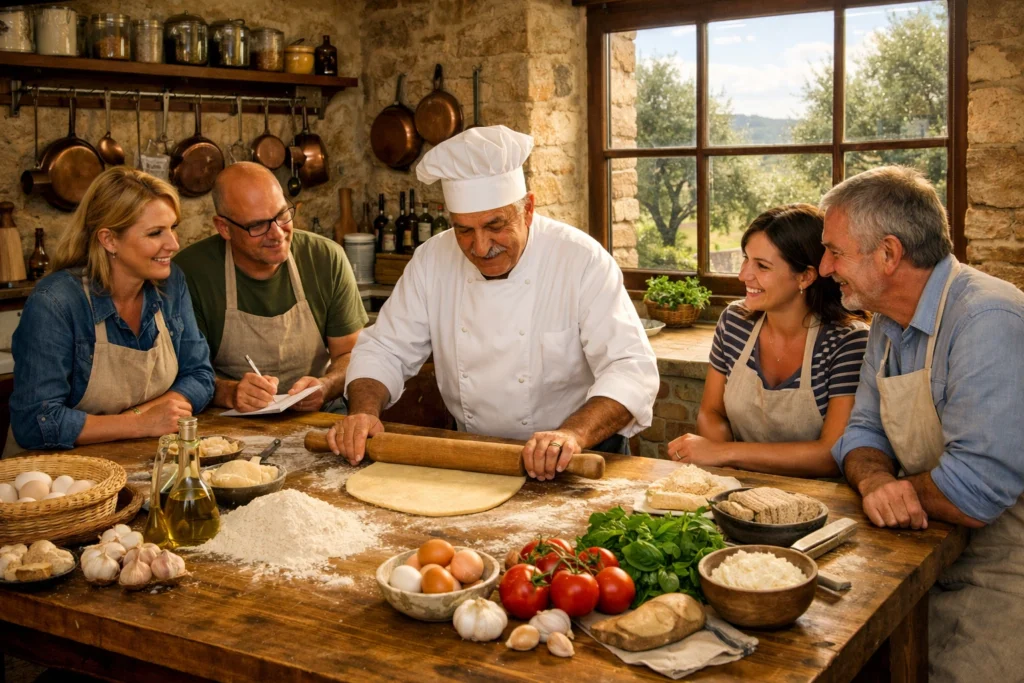
Cooking Class Tips That Work in Any Kitchen Target
We’ve seen successful classes focus on pacing, keeping students engaged, and teaching practical skills people can apply at home.
Here are cooking class tips that work for culinary arts instructors and weekend course leaders alike:
- Focus on One Technique at a Time: You can teach one skill more thoroughly than rushing through multiple techniques that students won’t remember after class (and depth builds real culinary skills that stick).
- Let Students Taste as They Cook: Tasting throughout the cooking process helps students understand how flavors develop at different stages. When they taste the sauce before and after simmering, they learn what “reducing” actually does to dishes. This is how chefs also build intuition in restaurants.
- Send Them Home Prepared: Believe it or not, recipe cards with measuring guides and tips give students confidence to recreate dishes later. These materials become reference points when they practice techniques in their own kitchens.
Ultimately, the best classes balance demonstration with hands-on practice and give students tools to succeed after they leave.
Take What You Learn Back to Your Kitchen
Great cooking classes give students more than recipes. They build skills, confidence, and passion for creating meals that bring people together. When students master culinary arts fundamentals, they stop relying on instructions and start trusting their instincts in the kitchen.
Ready to develop real culinary skills in a hands-on environment? Fiore Restaurant offers cooking classes that focus on Italian cuisine fundamentals and practical techniques you’ll use for life.
Join us today and discover what success in the kitchen really feels like.
Warning: Undefined variable $tax_query in /sites/fiorerestaurant.net/files/wp-content/plugins/advanced-recent-posts/includes/class.widget.small.thumbnails.php on line 123
Recent posts