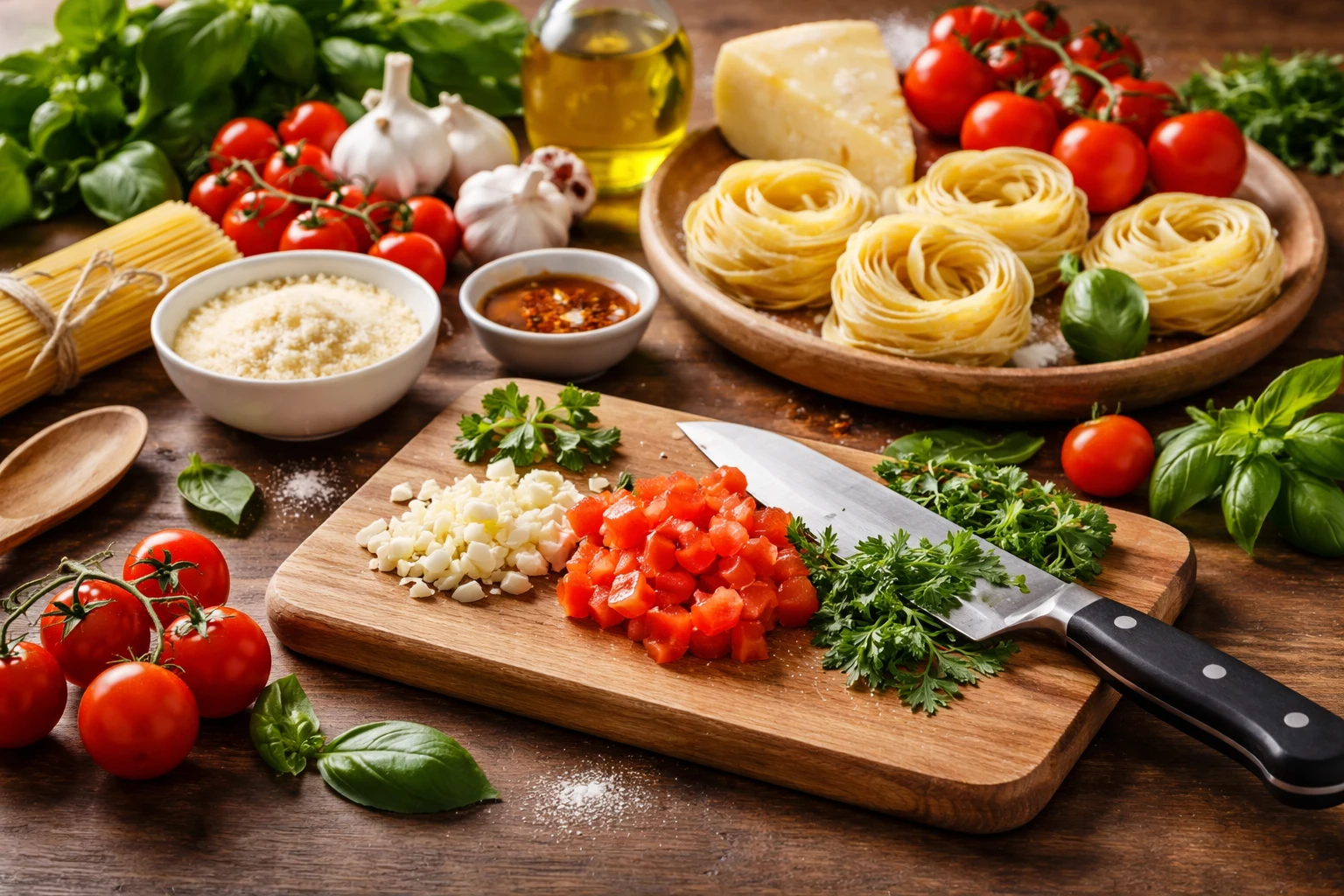
Beginners should learn knife skills, proper pasta cooking, and basic sauce building before jumping into complicated Italian recipes. Interestingly, 35% of home cooks struggle to make simple pasta properly, even though it’s one of the easiest dishes to master. And it’s all because they skip the foundational techniques.
The culinary schools teach foundational methods first, and those methods provide dozens of dishes right away. Meanwhile, Italian cooking basics repeat simple methods across hundreds of recipes.
In this article, we’ll cover how Italian cooking basics begin with quality ingredients. We’ll also talk about which tools you need and core techniques to practice, and how to properly stock your pantry.
Let’s find out how to become a confident cook through Italian basics.
How Italian Cooking Starts With Ingredients, Not Recipes
Italian cooking begins with ingredients, as the cuisine relies on highlighting natural flavors instead of covering them up with heavy sauces or complicated techniques. This cuisine depends on buying ripe tomatoes, good olive oil, and fresh herbs instead of masking flavors.
Take a look at how the cooking process brings out what’s already there in the ingredient.
Fresh Ingredients Beat Fancy Techniques
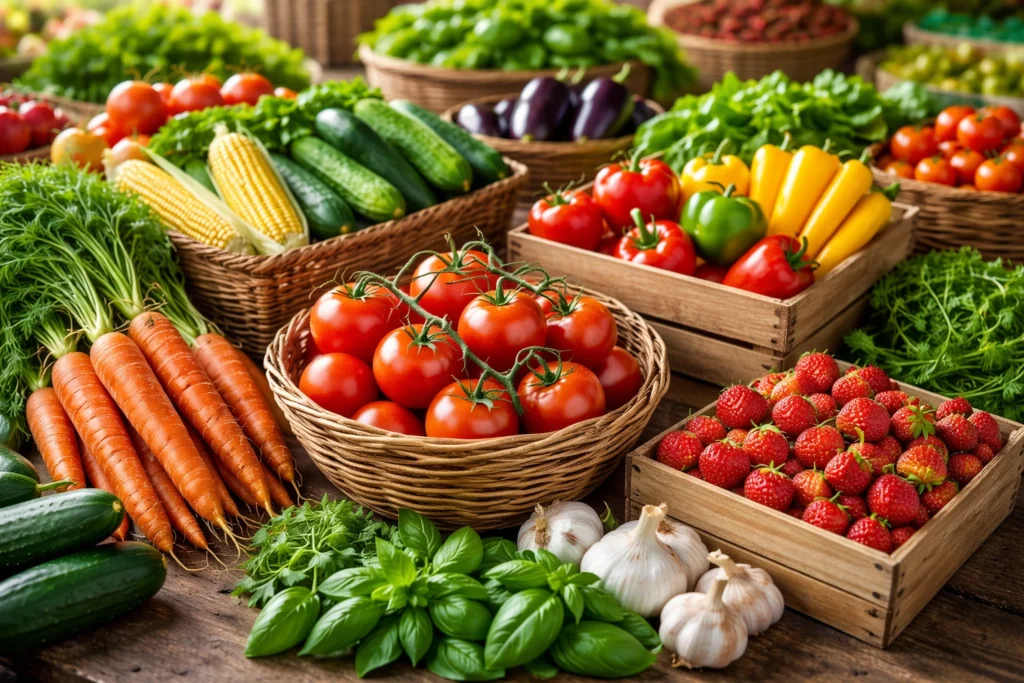
Using fresh ingredients allows you to get vibrant flavors that make even simple dishes taste restaurant-quality. Our students learn to taste ingredients before cooking to understand what quality means. Like how fresh basil and parsley smell vibrant when crushed, while dried herbs lose most of their oils.
Fortunately, farmers’ markets sell produce picked within 24 hours, which gives you better flavor than week-old grocery store vegetables. Besides that, shopping for ingredients at local markets pays off big time when you cook Italian food at home.
Olive Oil Changes Everything You Cook
Ever wonder why pasta at Italian restaurants tastes richer than what you make at home? The answer is usually in the oil. Extra virgin olive oil adds fruity, peppery notes that regular vegetable oil can’t replicate.
Plus, quality olive oil is drizzled raw at the end of a pasta dish to preserve delicate flavors instead of cooking them away.
Pro Tip: Olive oil should always be stored away from light and heat to prevent rancidity, because that ruins the taste completely.
What Tools Do You Need? The Kitchen Essentials
Starting with basic kitchen tools saves you hundreds of dollars and counter space while still letting you cook authentic Italian food. In fact, professional kitchens run on six basic tools, not the thirty items infomercials want you buying.
Here are the essentials you need to get started:
- Chef’s knife (8-inch)
- Paring knife
- Wooden cutting board
- Stainless steel pots and mixing bowls
- A colander
- Simple roasting pan
- Measuring cups and spoons (optional)
Note: Skip specialty items like pasta makers until you master hand-rolling techniques with a rolling pin.
We suggest starting with quality versions of fewer items instead of cheap everything from discount stores. That approach is worth every penny when you’re learning culinary arts.
Sharp Knives Do Most Of The Work
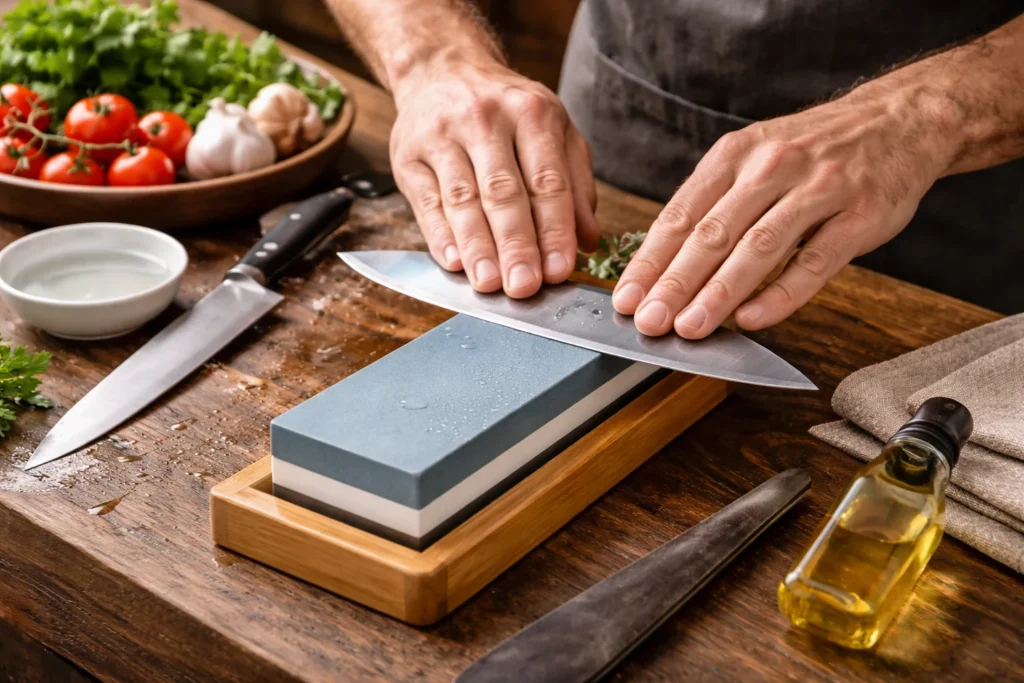
Ironically, sharp knives prevent more kitchen injuries than any other single piece of equipment. It’s because dull blades slip off tomato skins and crush soft ingredients instead of slicing them cleanly.
Students cut themselves more with dull knives because they have to use excessive force to compensate. As a result, accidents occur more often.
Worth Noting: Sharpening for just ten minutes with a sharpening stone every two weeks keeps your blade working properly.
Master These Core Techniques First
The core techniques you should master first include cooking pasta al dente, browning meat properly, and building a basic tomato sauce from scratch. Once you nail these methods, the easy recipes become almost automatic without constant recipe checking.
Our cooking school curriculum focuses the entire first lesson on these foundations below before moving forward.
How To Cook Pasta Al Dente
Perfectly cooked pasta gives you that slight bite that Italians call al dente, which makes every pasta dish taste better and holds sauce properly. You’ll want to boil water with salt that tastes like the ocean before adding any pasta shapes.
Al dente pasta should have slight resistance when you bite, not mushy or crunchy. The cooking time varies by pasta type, so it’s best to check a piece a minute before the package says it’s done.
Meanwhile, save one cup of starchy pasta water to help the sauce cling to noodles later (yes, every single time you cook pasta). This starchy water becomes the secret ingredient that helps your sauce coat each piece perfectly.
Brown Meat For Deep Flavor
Why does restaurant meat taste so much richer than what you cook at home? The secret is patting the meat completely dry with paper towels so it browns well rather than steaming in moisture.
In this case, the cooking process needs a hot pan with a small amount of oil to create the caramelized crust that adds meaty, savory depth. And then you want to let it sit undisturbed for proper browning. That patience builds the flavors that separate good Italian dishes from great ones.
Build Your First Tomato Sauce
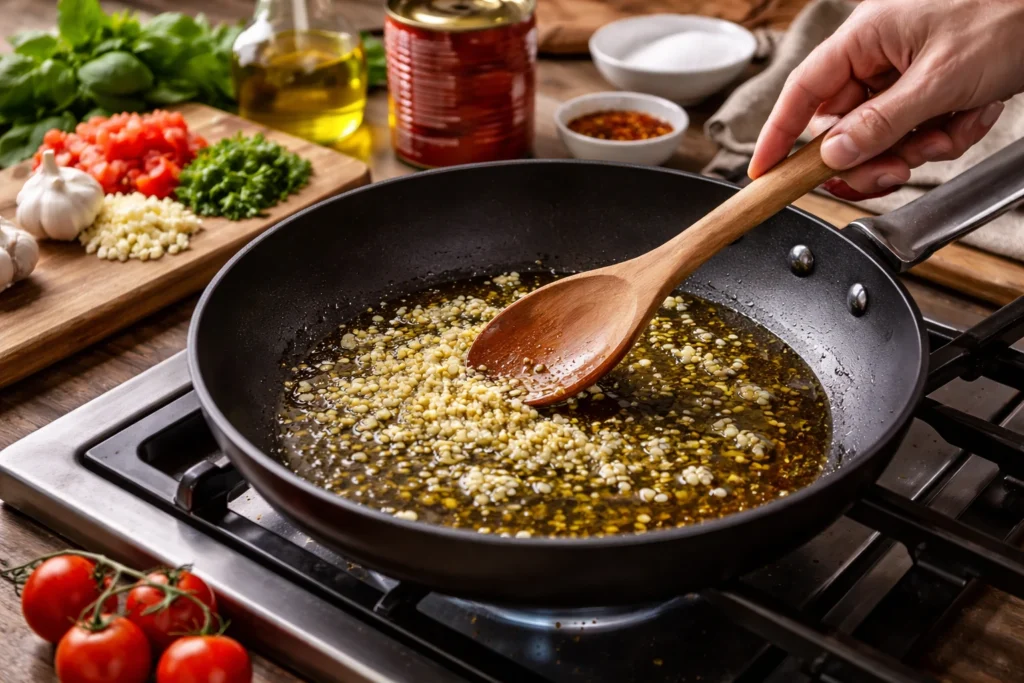
Building your first tomato sauce brings all of your other skills together. You’ll start by sautéing garlic in olive oil until fragrant but not burned, about thirty seconds maximum (the smell will tell you when it’s ready).
From there, crush canned San Marzano tomatoes by hand for a chunky texture instead of smooth puree. These Italian tomatoes give you the best taste for pasta sauces. After that, simmer for forty minutes on low heat to concentrate flavors and reduce acidity naturally.
And don’t forget to keep an eye on the pan while those tomatoes break down and the sauce thickens.
Stock Your Pantry: What Every Italian Cook Keeps Ready
A well-stocked pantry lets you throw together authentic Italian meals any night without last-minute grocery store runs. Our culinary arts programs teach students to buy shelf-stable ingredients once, then shop for fresh produce weekly.
These are what to keep stocked:
- Core Pantry Staples: Extra virgin olive oil, canned San Marzano tomatoes (last 12 to 18 months when stored properly), dried pasta shapes, kosher salt, and garlic bulbs form the foundation of Italian cooking. These ingredients are common in nearly every recipe you’ll cook.
- Quick Flavor Boosters: Dried oregano and red pepper flakes add flavor to dishes quickly and easily. Besides those, fresh herbs taste better, but dried versions work well when you need something fast for tomato sauce or pasta sauces.
- Cheese Storage Tips: Parmesan cheese stays good for six months when wrapped tightly, while pre-grated versions lose flavor within weeks. Plus, the block of grated cheese you shave yourself brings so much more taste to your Italian dishes.
These pantry staples let you throw together quick Italian meals without emergency grocery store runs. The items also last months when stored properly in cool, dark cupboards away from sunlight.
Your Italian Cooking Journey Starts Here
The foundational techniques covered here can unlock hundreds of Italian dishes once you practice them weekly. So start by familiarizing yourself with fresh ingredients and sharp knives before buying specialty equipment.
Italian cooking rewards patience and ingredient quality over complicated recipes and fancy gadgets. Our suggestion is to master one technique completely before moving to the next, and give each method the practice time it deserves.
If you’re ready to learn these techniques hands-on with expert guidance and immediate feedback from experienced instructors, Fiore Restaurant offers comprehensive Italian cooking classes. Visit our website to sign up for beginner classes where you’ll cook authentic Italian food from day one.
Warning: Undefined variable $tax_query in /sites/fiorerestaurant.net/files/wp-content/plugins/advanced-recent-posts/includes/class.widget.small.thumbnails.php on line 123
Recent posts