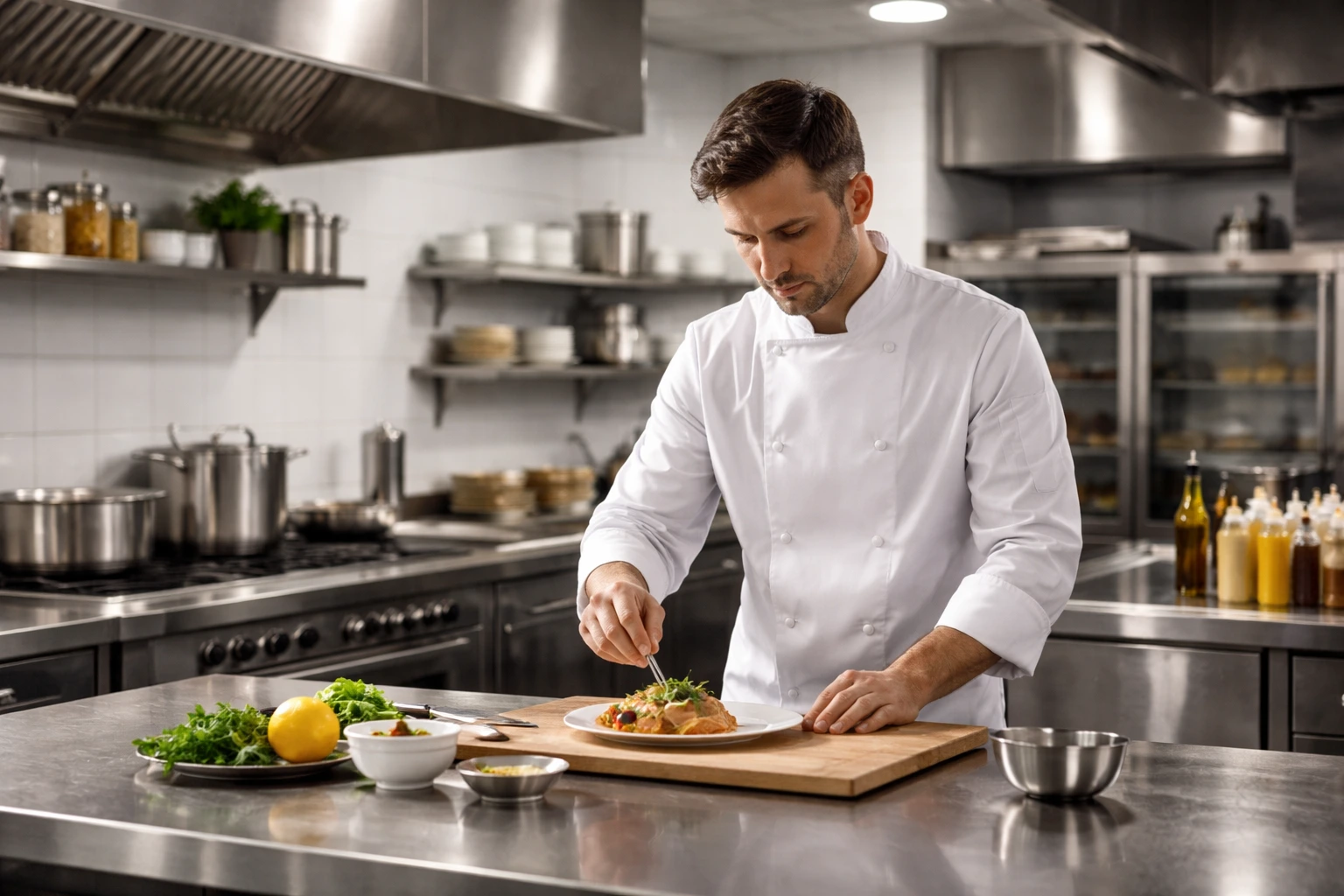
Culinary education shapes better restaurant kitchens by giving chefs a shared foundation of skills, timing, and technique. When everyone on the line learns the same methods, consistency stops being something you hope for and becomes something you expect.
Trained cooks also understand heat, flavor, and timing well enough to adjust when things go sideways. That kind of confidence carries through every dish they send out.
This guide walks through what formal training covers, who benefits most from culinary education, and what options exist if budget is a concern. Let’s begin with breaking down what you’ll actually learn.
What Culinary Education Teaches Beyond Recipes
Culinary education teaches technique, timing, and kitchen organization that recipes alone never cover. And frankly, anyone can follow a recipe, but knowing why each step works turns a student into a confident cook.
We see it all the time in our classes at Fiore, where students walk in thinking they need more recipes but leave with skills that apply to any dish. Let’s look at what that foundation actually looks like:
- Knife Skills and Heat Control: Proper cutting technique and understanding how heat affects food separate trained chefs from self-taught cooks.
- Mise en Place Habits: This French term means prepping ingredients before cooking, and once students build this habit during a course, their learning speeds up significantly.
- Flavor Adjustment on the Fly: When you understand how seasonings interact, you stop following recipes blindly and start trusting your own taste.
And ultimately, these skills stay with you in every kitchen you enter.
How Culinary School Builds Professional Cooking Skills
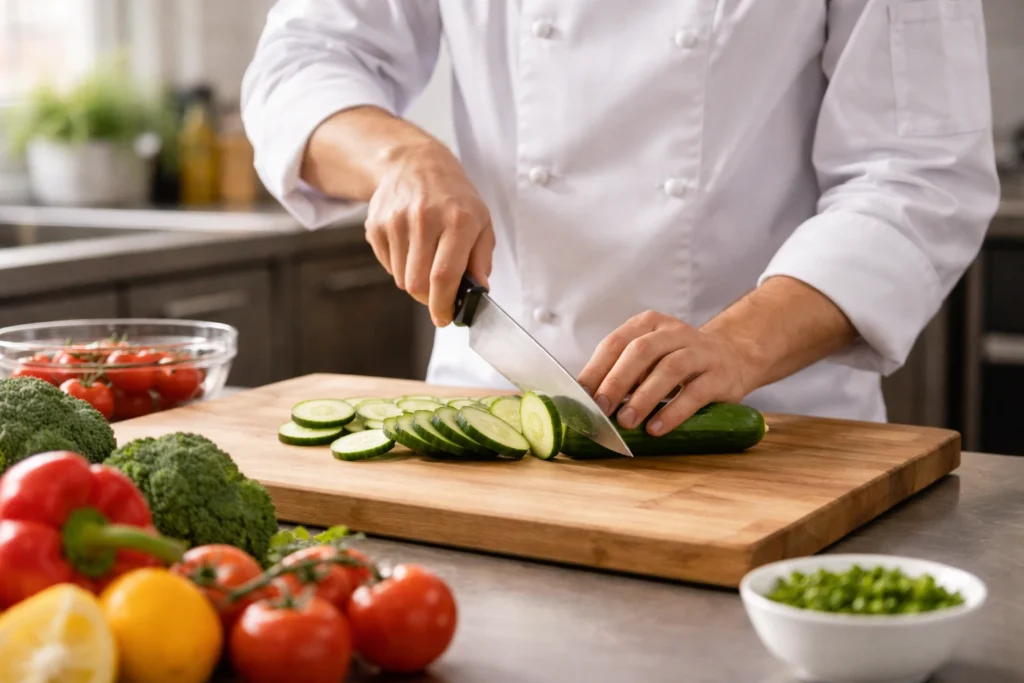
Culinary school builds professional cooking skills by putting students through the same pressure they’ll face in a real restaurant. The difference comes down to the instructors who are available to guide them through it before the stakes get high.
Now, here’s what that looks like on a busy Friday night:
Staying Calm When Tickets Pile Up
Working a station under time pressure trains you to stay calm when orders stack up. Instructors push students through high-volume simulations, so the stress feels familiar long before they step into a real restaurant.
Kitchen Callouts That Keep the Line Moving
Professional kitchens rely on specific callouts like “behind,” “corner,” and “heard.” This model (read: apprenticeship) of combining kitchen work with structured study builds habits that stick, and learning these phrases in class means fewer collisions during service.
Plating That Looks the Same Every Time
Consistency separates professionals from amateurs, and it comes down to repetition. When chefs learn to plate dishes the same way every time, guests get identical quality whether they sit down at 6 PM or 9 PM.
All of these skills become muscle memory through a strong culinary school program, which means students perform without second-guessing themselves on the line.
Why Culinary Arts Training Creates Kitchen Consistency
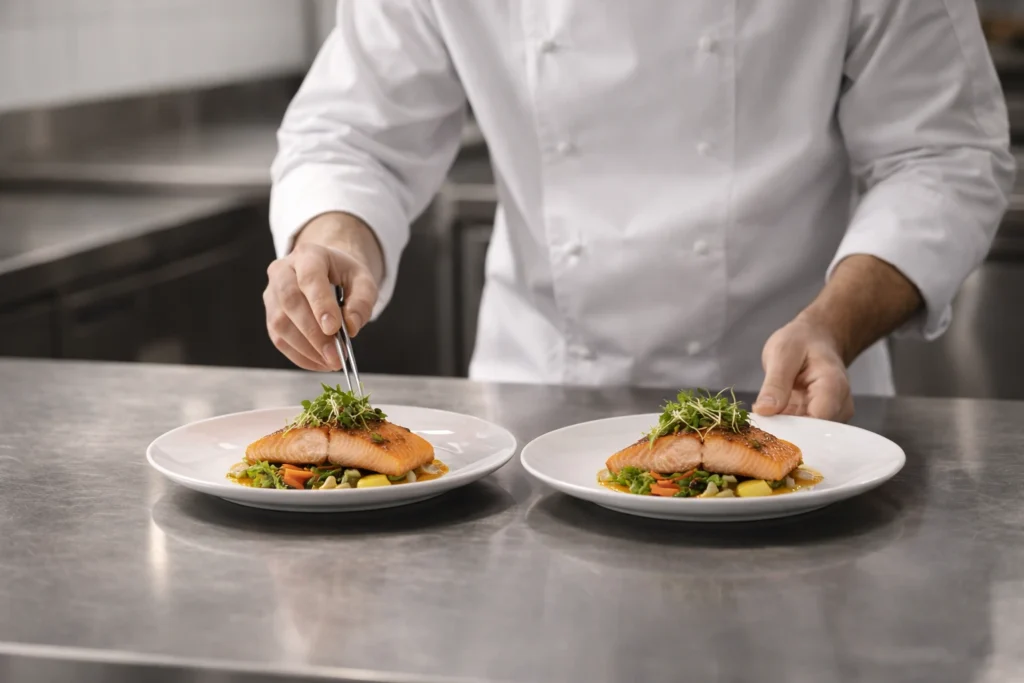
The best part of a trained kitchen staff is that every plate looks and tastes the same. And that consistency builds trust with restaurant guests who come back expecting the same experience. But getting there takes work, and there’s no shortcut here.
When chefs go through culinary arts training, they learn standardized techniques that produce identical results no matter who’s on the line. A sauce made by the head chef tastes the same as one made by a new cook because both students picked up the method during the same course.
Once that’s established, the kitchen runs on systems instead of guesswork.
Portion control is another skill that instructors emphasize during learning, and for good reason. Inconsistent portions throw off food costs and leave guests feeling shortchanged (that’s a risk few kitchens can afford).
Training solves this through repetition, so every plate that leaves the pass meets the same standard.
What Home Cooks Gain From Culinary Classes
Home cooks gain professional techniques, faster prep habits, and the confidence to experiment in their own kitchens. Culinary classes bridge the gap between simply following a recipe and truly understanding why it works.
So, let’s break down how each skill helps in your own kitchen:
- Faster Prep and Multitasking: Learning how to organize your workspace and move efficiently cuts your weeknight cooking time in half, which means less stress and more time at the table.
- Understanding why Techniques Work: When you know why a pan needs to be hot before adding oil, you can troubleshoot problems on your own instead of starting over from scratch.
- Confidence that Builds Quickly: Mastering a few basic skills gives you the foundation to try new recipes without second-guessing every step, and that confidence grows with each dish you make.
These skills turn cooking from a chore into something you actually look forward to.
Culinary Careers That Open Up After Proper Training
Formal culinary training opens doors to culinary careers that self-taught cooks rarely qualify for, and the range of options goes far beyond working a restaurant line.
There are a few common career paths you can choose from:
| Career Path | What It Involves | Why Training Helps |
| Line Cook / Sous Chef | Station work in restaurant kitchens | Verified speed and technique |
| Executive Chef | Leading kitchen operations and menus | Management plus culinary knowledge |
| Private Chef / Catering | Cooking for individuals or events | Menu planning and flexibility |
| Food Styling | Visual presentation for media | Plating precision and creativity |
Graduates from respected programs have gone on to earn James Beard Awards and Michelin stars, and that kind of success shows what’s possible for aspiring chefs who invest in proper training.
Bottom Line: In the culinary field, professionals with strong credentials stand out to hiring managers looking to fill serious roles.
How Pastry Arts Rounds Out Your Culinary Skills
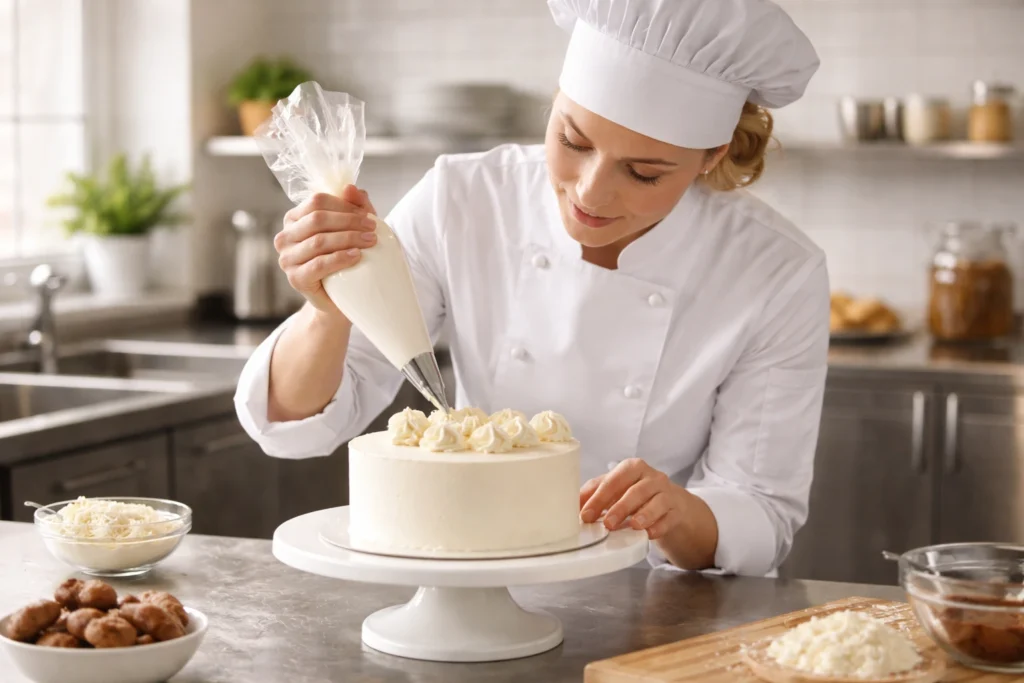
Adding pastry skills to your toolkit makes you more versatile and more hirable in any kitchen, and many chefs discover that baking sharpens their precision in ways savory cooking doesn’t.
Here’s why pastry arts training strengthens your overall skills:
- Precision with Measurements: Baking demands exact ratios for flour, sugar, and fat, and that discipline carries over to every course you prepare (yes, even for a simple pasta dish).
- Patience and Timing: You cannot rush dough proofing or chocolate tempering, so students learn to respect the process instead of forcing results.
- Broader Career Options: A degree or program that includes pastry training opens doors to bakery roles, which means more flexibility in your career path.
Pastry fundamentals make you a stronger chef regardless of which direction your learning takes you.
Financial Aid Options That Make Culinary Training Affordable
Now that you know what culinary training offers, the next question is how to pay for it. Fortunately, there are several financial aid options that help students afford tuition without draining their savings.
The path forward looks different for everyone, but these options cover most situations:
- Federal Grants and Scholarships: Many culinary school programs qualify for government aid, and scholarships can cover a significant portion of your degree or certification costs.
- Work-study Arrangements: Some schools let students earn while they learn by working in on-campus kitchens, which offsets tuition and builds experience at the same time.
- Short-term Certificate Courses: If a full degree feels out of reach, shorter online courses cost less and still teach skills that employers value in new graduates.
Remember, cost doesn’t have to block your path into the culinary field.
Get Better Training Builds, Make Better Plates
Good training shows up in every dish, every service, and every career move you make, and the skills you build during a culinary education program stay with you long after the course ends. That foundation shapes how you approach food for years to come.
Trained chefs move faster, cook with more confidence, and deliver consistent results that keep restaurant guests coming back. The same applies to students who invest in proper learning, because solid technique gives anyone a real advantage in the kitchen.
If you’re ready to build those skills, Fiore Restaurant offers culinary classes for home cooks and aspiring professionals. Stop by and see what structured training can do for your cooking.
Warning: Undefined variable $tax_query in /sites/fiorerestaurant.net/files/wp-content/plugins/advanced-recent-posts/includes/class.widget.small.thumbnails.php on line 123
Recent posts