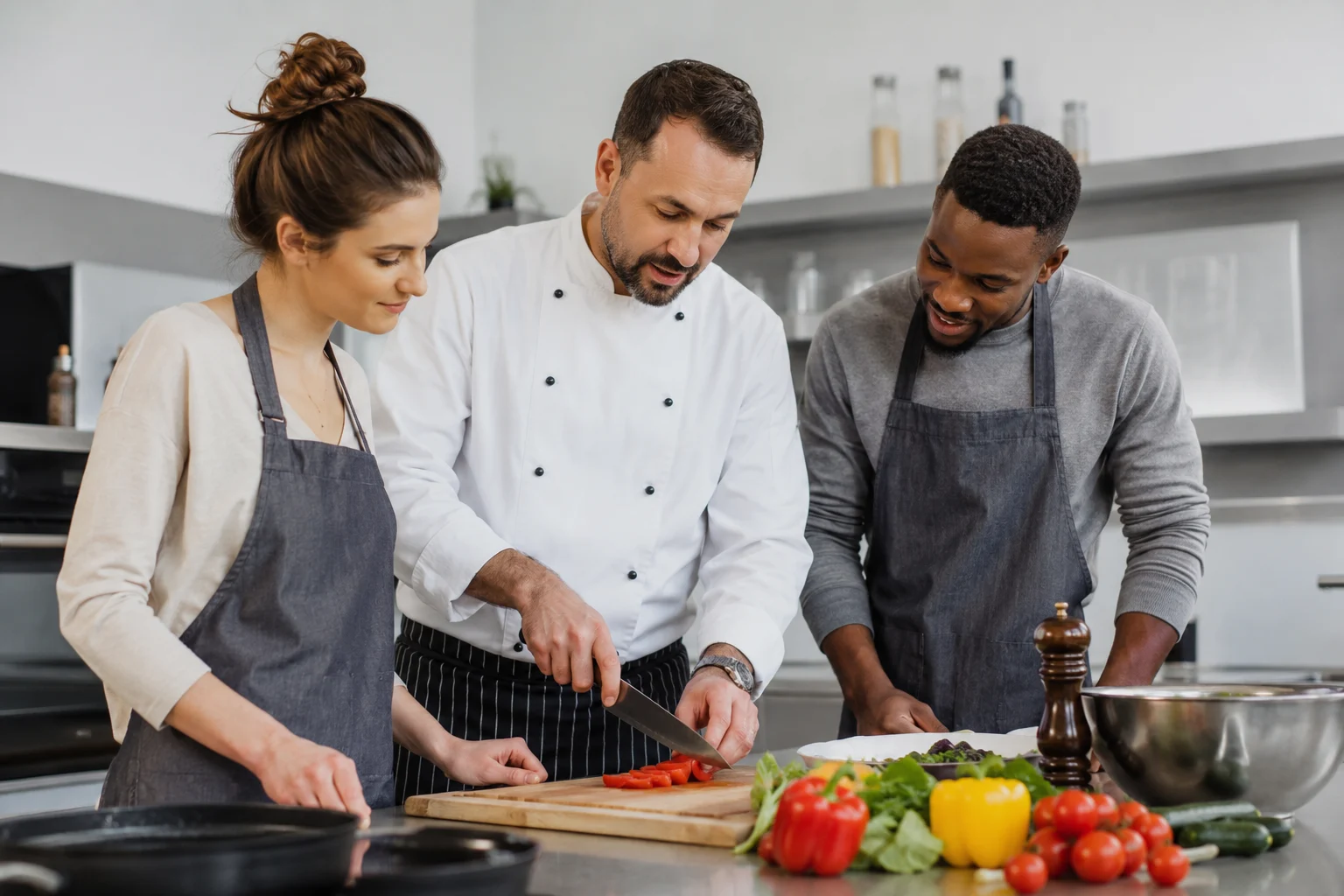
Most people who want to improve their cooking skills hit the same wall. They read recipes, watch videos, and still feel lost when the pan gets hot. Hands-on cooking classes fix that because they put you in the middle of the action, learning with your hands instead of your eyes.
That’s the approach we’ve built our culinary classes around at Fiore Restaurant, and over the years, we’ve watched nervous beginners turn into confident home cooks.
So in this guide, you’ll see how hands-on practice speeds up your learning, why heat control changes everything, and what live instruction offers that tutorials can’t.
Let’s dive right in!
Why Hands-On Cooking Classes Build Cooking Skills Faster
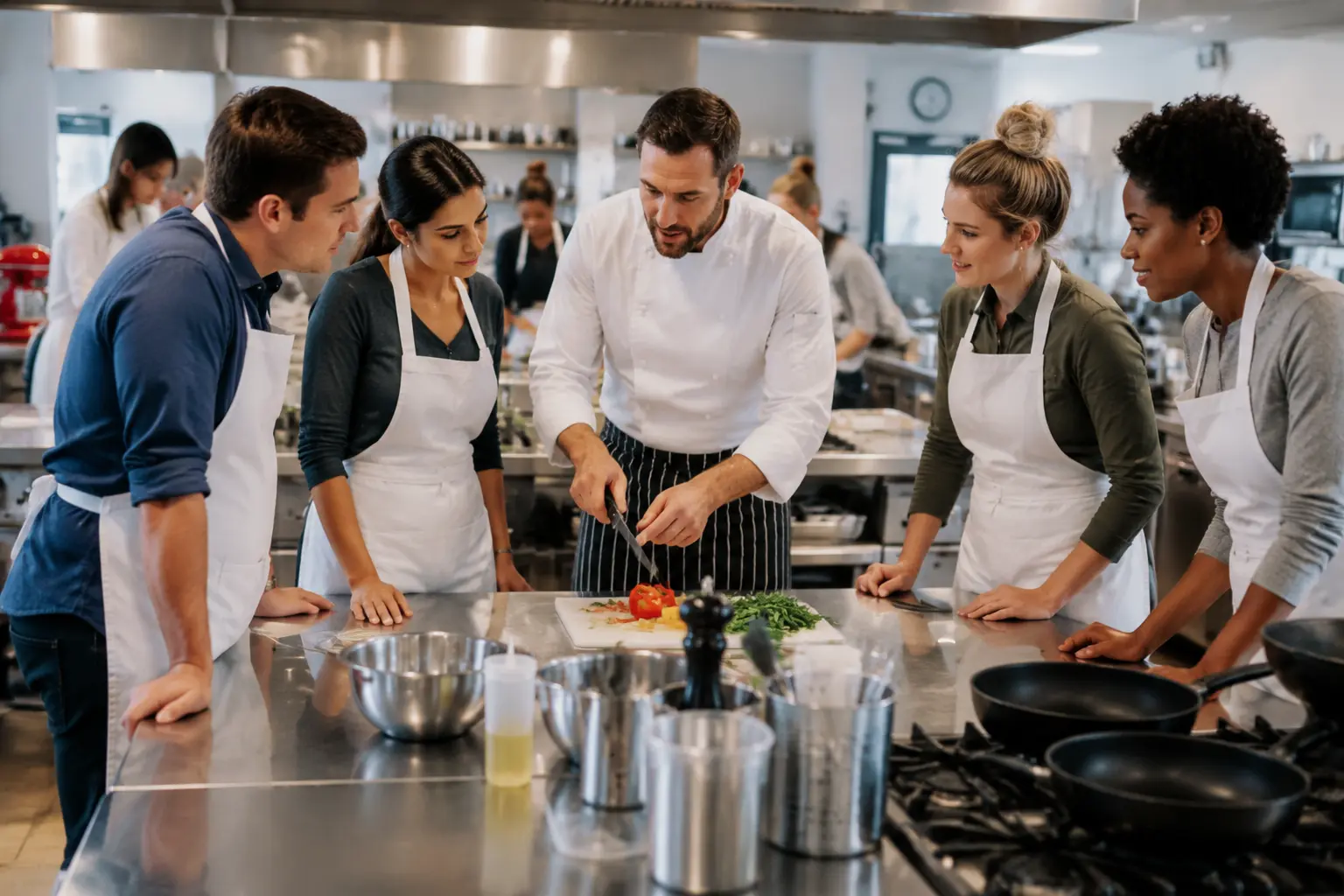
Hands-on cooking classes build your skills faster because your body learns by doing. When you chop onions, season a steak, or prepare a sauce in real time, you pick up small corrections that watching a screen never teaches.
And the research backs this up. A study published in Frontiers in Psychology found that hands-on cooking outperforms passive demonstrations for building lasting technique.
Frankly, we even see this in our own classes all the time. Students walk in struggling with a basic dice cut and start doing it cleanly within a few sessions.
Here’s what makes that kind of rapid improvement possible:
- Muscle Memory Through Repetition: Your hands learn to crack eggs, chop vegetables, and prepare dishes at the right pace only after doing it again and again.
- Real-Time Corrections From Chefs: Instructors catch your grip, posture, and timing mistakes on the spot, so bad habits don’t follow you home.
- Faster Confidence With New Recipes: Each skill you practice gives you a foundation for the next one, so cooking a new dish feels less like guessing and more like building on what you already know.
Once your hands get comfortable with these basics, the next thing that really changes your cooking is understanding how heat works.
How a Hot Pan and the Maillard Reaction Make You a Better Cook
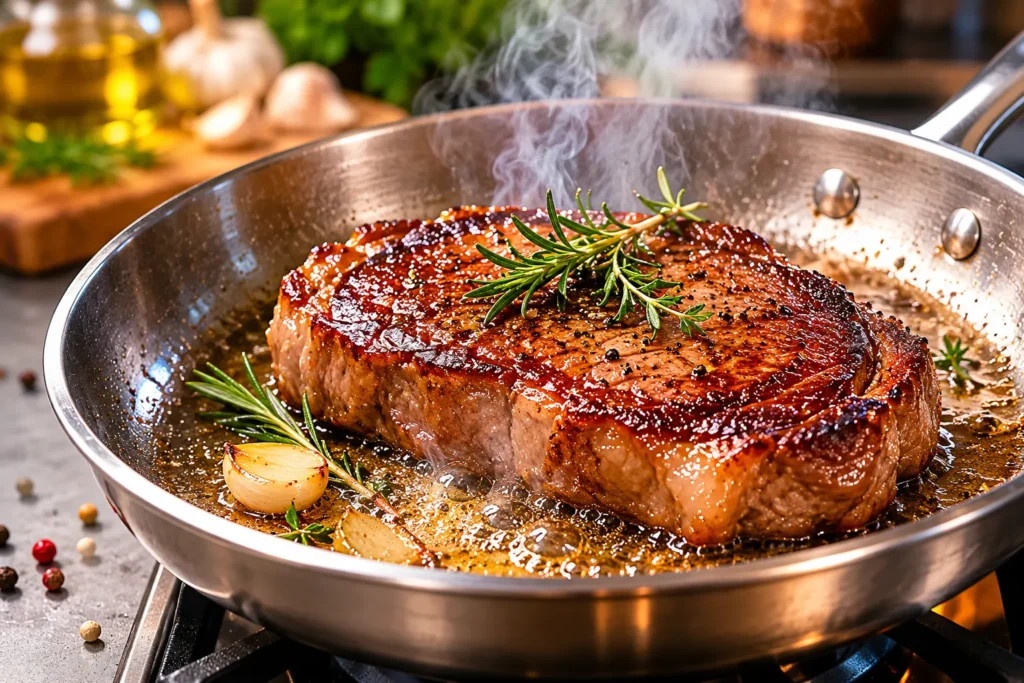
Ever wonder why restaurant steaks taste so different from yours at home? Most of the time, it comes down to one thing: pan temperature. A hot pan with a bit of oil gives meat that deep golden color and rich flavor you can’t get any other way (nine times out of ten, the pan wasn’t hot enough).
When you brown meat at the right heat, the natural sugars on the surface react and create what chefs call the Maillard reaction. Those nutty, savory notes are something that boiling or steaming your food will never produce.
And here’s the part most people miss. The Maillard reaction doesn’t just change how your dishes look. It builds layers of taste in your sauce, your steak, and even a simple butter and onion base with a pinch of salt.
Once you learn to read your pan by sound and smoke, you stop guessing and start cooking with real control. That kind of confidence with heat is what turns a home cook into a better cook, and it’s one of the first things you learn in hands-on classes.
Start Cooking Various Recipes: From Brown Meat to Perfect Rice
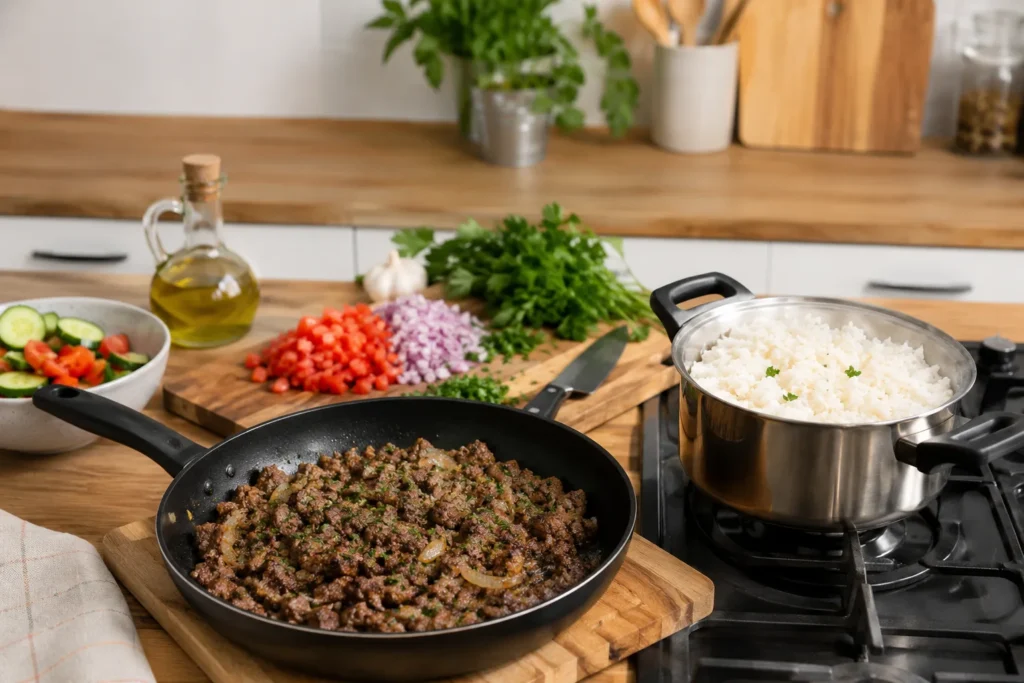
The fastest way to grow in the kitchen is cooking a wide range of dishes back to back.
When you prepare pasta one session and then cook rice or brown meat the next, your hands start adjusting to different ingredients and cooking times. And at its core, this comes down to range.
Each recipe type forces you to work with new flavors, learn when to add salt, and figure out how to season a dish by taste instead of guessing (good luck getting that kind of range from a single cookbook).
If you’re wondering where to begin, what beginners should learn first in a cooking class is a solid starting point. Take a quick look at what different recipe types teach you:
After you’ve cooked across all four of those categories, putting together a full meal on your own feels a lot less overwhelming. Now, let’s look at what makes live instruction so different from learning on your own.
What Hands-On Classes Teach That No Home Cook Video Can
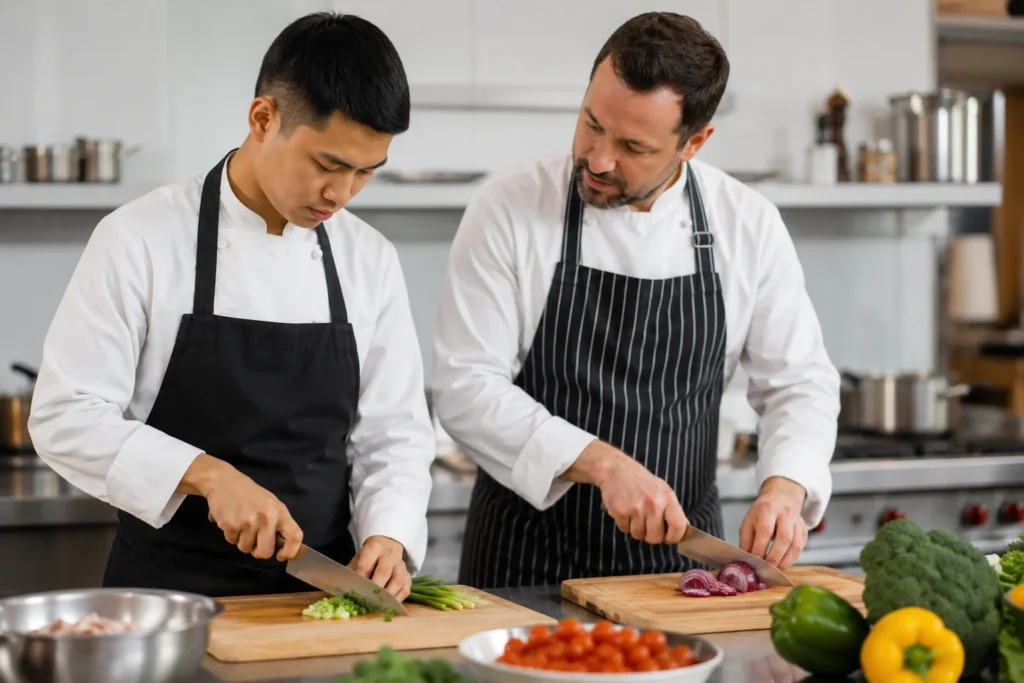
Live instruction gives you sensory feedback that no video or recipe card can match. When a chef corrects your knife angle or tells you your pan needs more oil before you add the fish, that correction sticks because you felt what was wrong first.
There’s really no shortcut for this one. So, here’s how that plays out in a real class:
Real-Time Corrections You Can Feel
In our classes, students are always surprised by the small mistakes they never caught at home. Holding a paring knife too tightly, adding salt too early, or overseasoning a sauce all change how your dishes turn out.
That’s why knife skills are the first thing you should learn in any hands-on setting, because every other technique depends on getting the basics right.
Learning With All Five Senses
A video can show you what a seared steak looks like, but it can’t teach you how a hot pan sounds right before you lay the meat down.
You learn to smell when butter is about to burn, hear when your sauce hits the right simmer, and feel when pasta dough has the right texture. Those cues are what give you real confidence at the stove.
Kitchen Teamwork and Timing
Cooking alongside other students teaches you how to share space, time your dishes so everything lands on the plate together, and keep your station clean.
That kind of kitchen flow is something home chefs rarely develop on their own, and it’s one of the main differences between a cooking class and a cooking video.
Great Cooks Make Good Food with Cooking Classes
Now that you’ve seen how technique, heat, and variety all connect, here’s what ties it together. Structured cooking classes build each lesson on the one before, so your skills grow in a way that actually sticks.
You learn to prepare a sauce one week, season a steak the next, and before long, you’re putting together a full meal without a recipe in front of you (it clicks faster than most people expect). That confidence is what separates a good cook from a great cook.
If you’re ready to get your hands on real ingredients with real chefs guiding you, check out our cooking classes at Fiore Restaurant and see the difference for yourself.