Restaurants balance food quality and customer experience by pairing consistent kitchen standards with warm, attentive hospitality at every table. Both sides are important because even a well-prepared meal can disappoint if guests feel ignored when they arrive.
But this balance is difficult as the kitchen and the dining room run on different clocks. Fiore Restaurant brings careful cooking and attentive service together, which helps guests feel welcome from the moment they arrive.
This guide covers what keeps plates consistent, why unique dining experiences pull guests back, and how pacing and lighting shape a room. You’ll also see how the best spots manage both at once.
Food Quality Still Decides Whether Restaurants Earn a Second Visit
Most diners forgive a slow server long before they forgive a bad plate of food. Taste sticks in memory far longer than a wait for the check, which is why the kitchen carries most of the restaurant experience.
Three habits separate kitchens that hold their standard from the ones that drift.
Locally Sourced Ingredients and Seasonal Menus
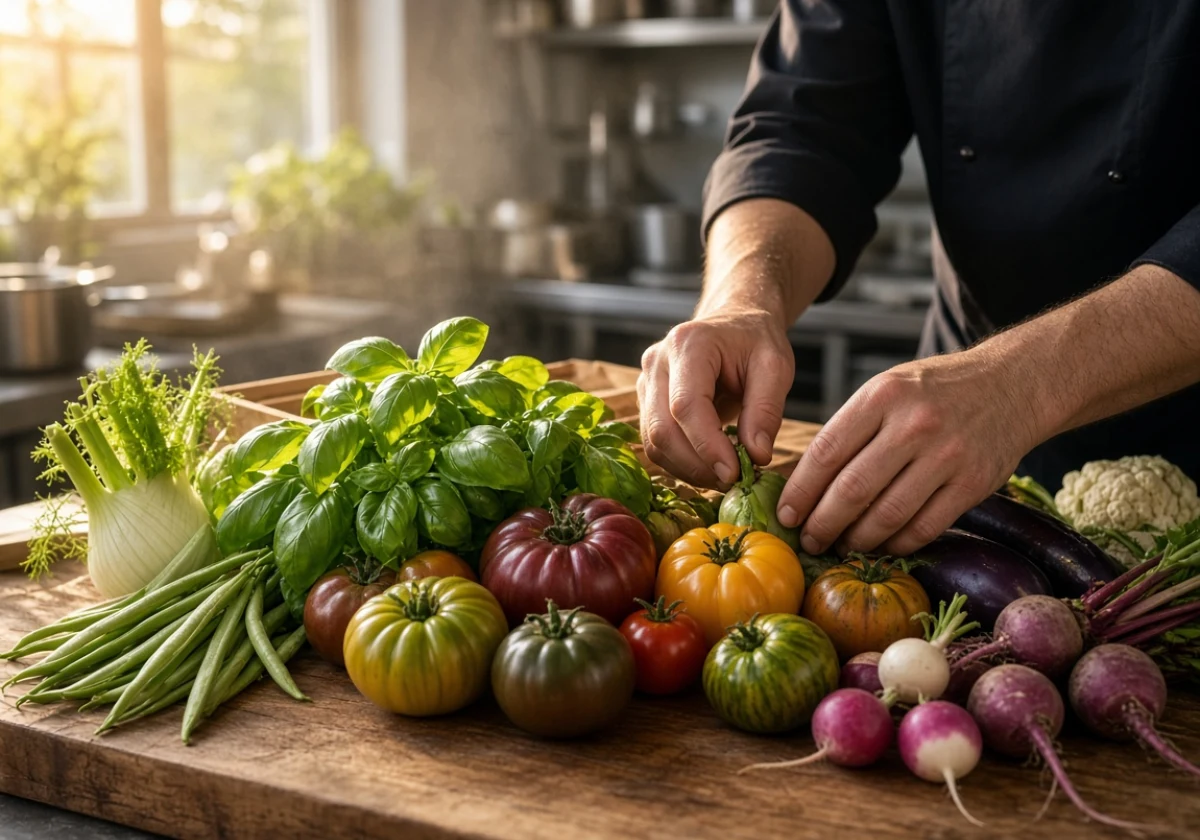
Produce bought from nearby farms and farmers’ markets shortens the trip from field to plate, and that short trip shows up in flavor. UNC 2025 research on seasonal produce says it plainly: “fresh, seasonal produce delivers optimal flavor and nutritional value”.
Because seasonal ingredients change throughout the year, menus built around them change with the seasons too. Restaurants that use seasonal Italian ingredients plan dishes around what’s ripe and available. This lets chefs plan their menus around available produce instead of relying on ingredients shipped from farther away.
Fresh, seasonal ingredients stand out most in simple dishes. A ripe August tomato, for example, needs little else to taste delicious. When a dish has only a few ingredients, each one needs to bring its own flavour. That’s what makes simple comfort food harder to get right than it might seem.
Consistency on Every Plate, Even on Busy Nights
Consistency means a dish should taste the same in March as it does in November. Kitchens maintain that standard by weighing portions, following written recipes, and assigning a cook to each station. These routines help every dish meet the same standard, even when the restaurant gets busy.
On a packed Saturday night, that consistency becomes harder to maintain as orders pile up. A single heavy pour of olive oil can overpower a pasta dish, which shows how small mistakes affect the final flavour.
Careful measuring helps prevent these errors, but timing is just as important. A sauce left cooking for too long can lose its flavour, so cooks need to watch each dish closely. Regular customers often notice when their favourite meal tastes different (sometimes before the kitchen realises something has gone wrong).
Daily Checks That Keep Kitchen Standards High
Chefs maintain food quality by checking fridge temperatures, dating containers, and tasting dishes before they leave the kitchen. These checks continue throughout the shift, which helps staff keep food safe and flavours consistent during busy periods.
Consistent results also depend on how well staff learn their roles. Hands-on training helps cooks practise recipes and techniques, so they can follow the same standards every day. Practical demonstrations often teach these skills more effectively than written instructions alone.
Chefs can then check how well those standards translate to the dining room by watching which dishes come back unfinished. Leftover food can reveal problems with portion sizes, flavour, or presentation that customers might not mention on a feedback card.
Why Does a Unique Dining Experience Keep Guests Coming Back?
Guests often return for good food and personal experiences they don’t usually get when eating at home. Anyone can cook well at home, but a night out gives you a chef setting down a plate and explaining where it came from.
The appeal of dining out remains strong, even when people watch their spending. According to the National Restaurant Association’s 2026 report, 61% of consumers consider restaurants essential to their lifestyles. They plan to keep prioritising dining out.
What makes a restaurant memorable often depends on the city. Los Angeles, for instance, draws diners to rooftop patios with 360-degree views, while West Hollywood supper clubs feature live jazz. Las Vegas takes a different approach by building entire dining experiences around dinner shows.
San Francisco offers intimate tasting counters, while Baltimore brings its own local food traditions to the dining scene. Each city gives diners a different experience that reflects its character.
Some restaurants attract guests by making the meal itself an adventure. Dining in the dark encourages people to focus on taste and smell without relying on sight. Food tours offer a different kind of discovery by taking visitors between several kitchens, street food stalls, and ice cream shops. Both options give diners something to remember long after the outing ends.
For those who prefer a more structured meal, a three-course prix-fixe menu lets the kitchen handle the choices. Private dining rooms offer a similar sense of ease for groups, with a quiet space where guests enjoy a menu that suits their gathering.
Ask anyone who’s hosted a work dinner, and they’ll tell you the room sold it. That’s why those rooms fill up for dinner parties, corporate events, and anniversaries (just call a few weeks ahead for any Saturday booking).
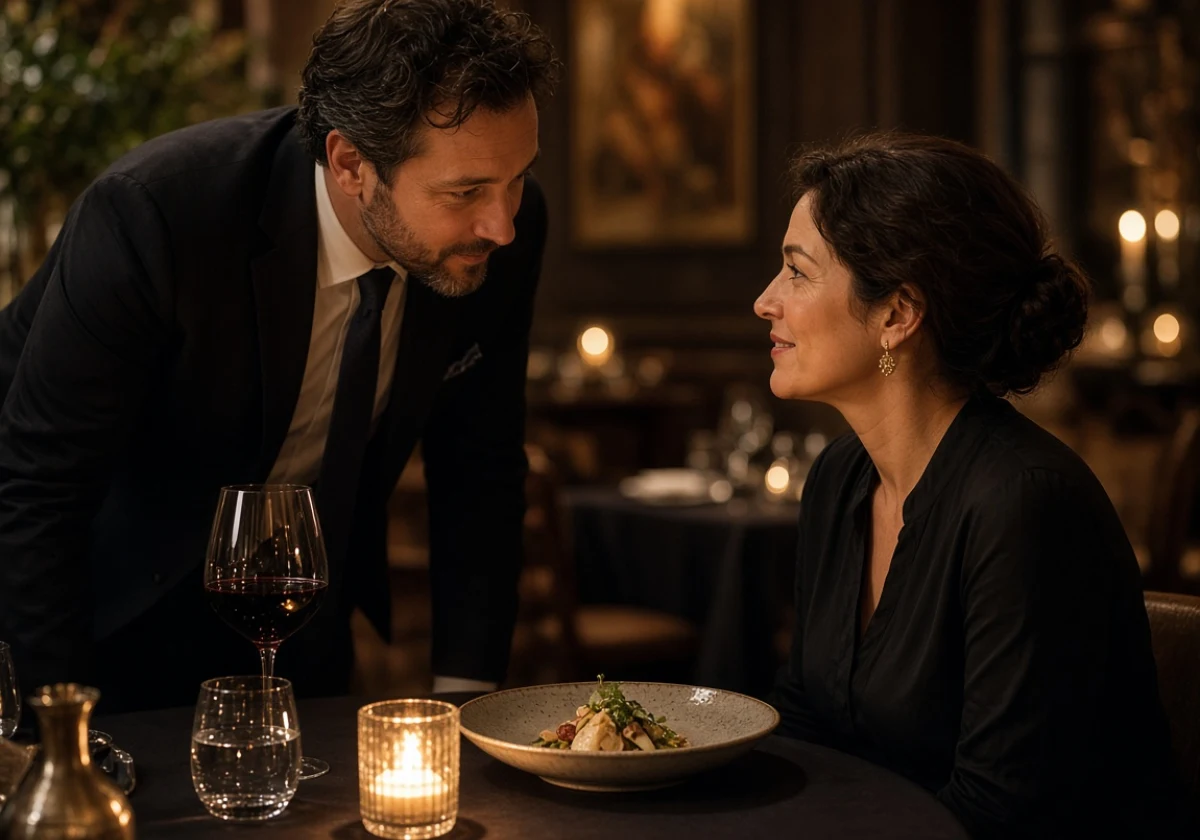
Hospitality Beyond the Plate: How the Dining Room Sets the Mood
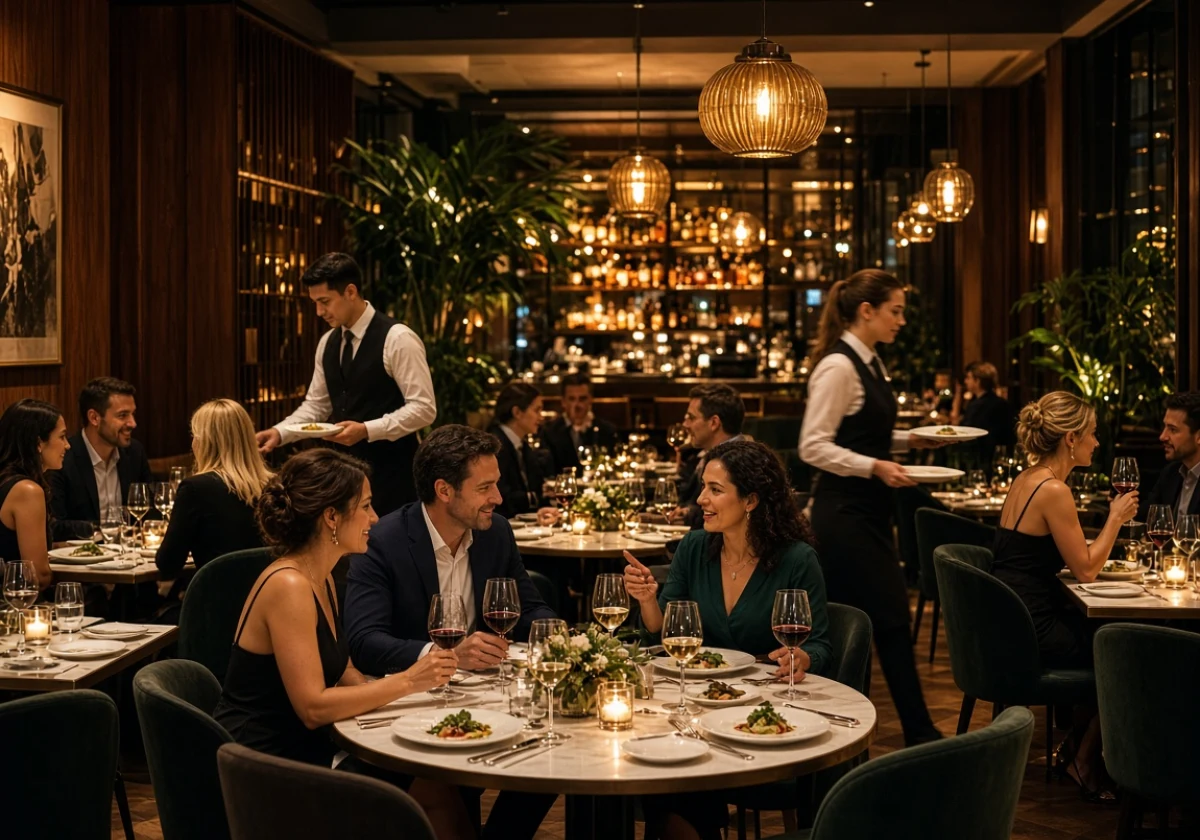
A welcoming dining room and attentive service can make an ordinary meal feel special. While the food brings guests through the door, the atmosphere and service help them enjoy the entire evening.
Three elements influence how guests experience the evening:
- Lighting and Atmosphere: Soft, low lighting relaxes guests and keeps them at the table longer. Comfortable seating does the same quiet work, which is why a happy hour drink often stretches into dinner.
- Service Pacing: Space the courses so plates land before hunger becomes impatience. Well-timed service keeps the night moving without making anyone feel rushed through dinner.
- Personal Touches: Remembering a guest’s name or favourite drink makes the service feel more personal. Small gestures, such as acknowledging a birthday, can give guests a reason to return for their next celebration.
Together, these details decide whether guests linger or start checking the time. Get them right, and you’ll find yourself ordering one more round without noticing.
Finding the Spots Where Food Quality and Service Come Together
Some restaurants focus on cooking, others build their appeal around atmosphere, and some give equal attention to food and service. Compare the approaches below against the kind of night you’re planning.
| Approach | Strength | Watch Out For |
|---|---|---|
| Food-first spots | Standout dishes and skilled chefs | Service can feel rushed |
| Experience-first spots | Live music, themed rooms, family fun nights | Menu may play it safe |
| Balanced spots | Strong cooking plus genuine hospitality | Often need reservations well in advance |
For a special dinner, balanced restaurants offer a mix of good food and attentive service. Popular venues in Los Angeles can fill up quickly, so booking early helps you secure a table.
A wine bar may suit a more casual evening, with a short wine list and well-prepared bar food for a relaxed Tuesday night. An anniversary, however, may call for a restaurant with a more memorable setting. If you’re hosting visitors or travelling to a new city, book your preferred restaurant first, then plan the rest of the evening around it.
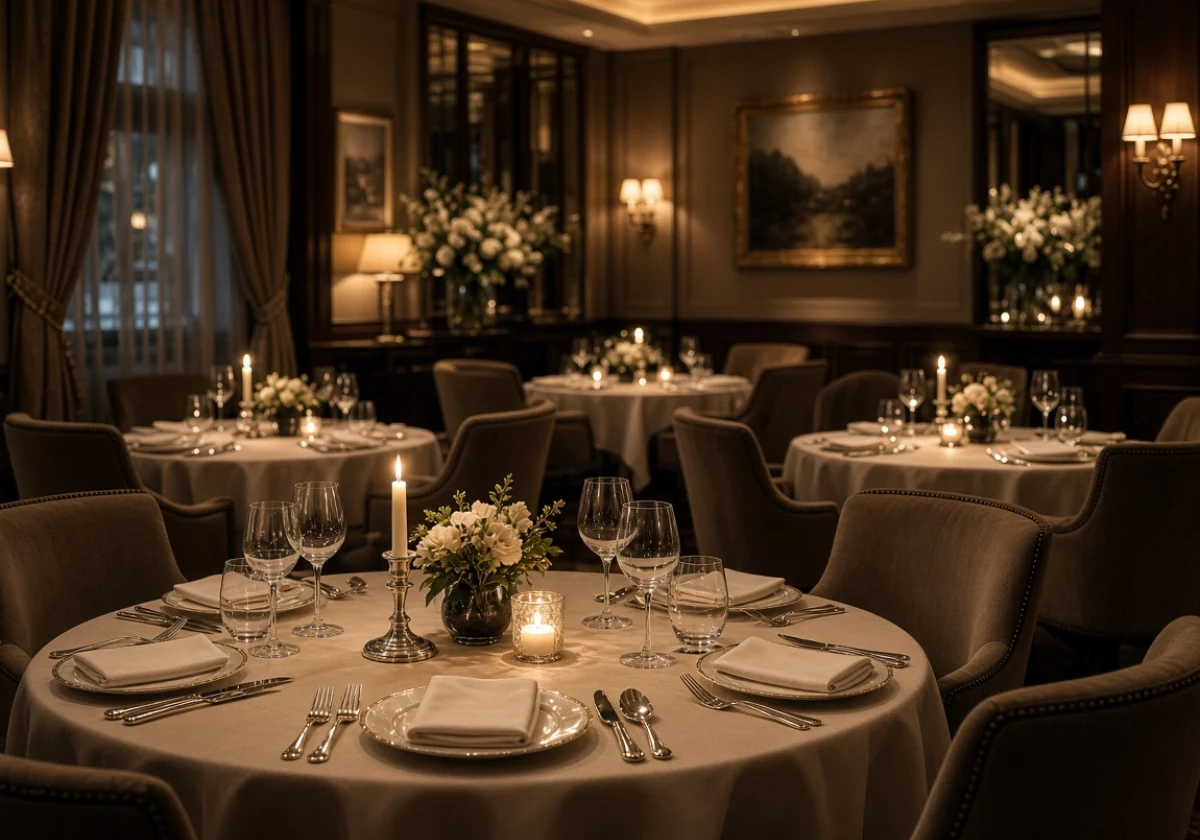
Plan Your Next Memorable Restaurant Experience
A memorable restaurant visit depends on good cooking, attentive service, and an atmosphere that suits the occasion. Guests have good reasons to return when all three work together.
So think about which side a place leans on before you book, then match your expectations to it. Ask about seasonal dishes, wine pairings, and how far ahead the room fills.
Ready to plan your next dining experience? Book a table with Fiore Restaurant for seasonal Italian cooking and a room that treats service as part of the food.