Most home cooks follow recipes to the letter but skip the one thing Italian kitchens never ignore: the season. Authentic Italian cooking starts at the market, and every dish depends on what’s ripe, fresh, and ready at that moment.
That same seasonal approach influences how we create our menus and cooking classes at Fiore Restaurant. Fresh produce, herbs, and regional traditions define the flavor of every dish we serve, from the sauce down to the salt.
This guide covers why Italian cuisine changes with the seasons and which ingredients peak at different times of year. You’ll also discover how one famous region in Italy built some of the world’s best food traditions around its local harvest.
Why Seasonal Italian Food Always Tastes Better
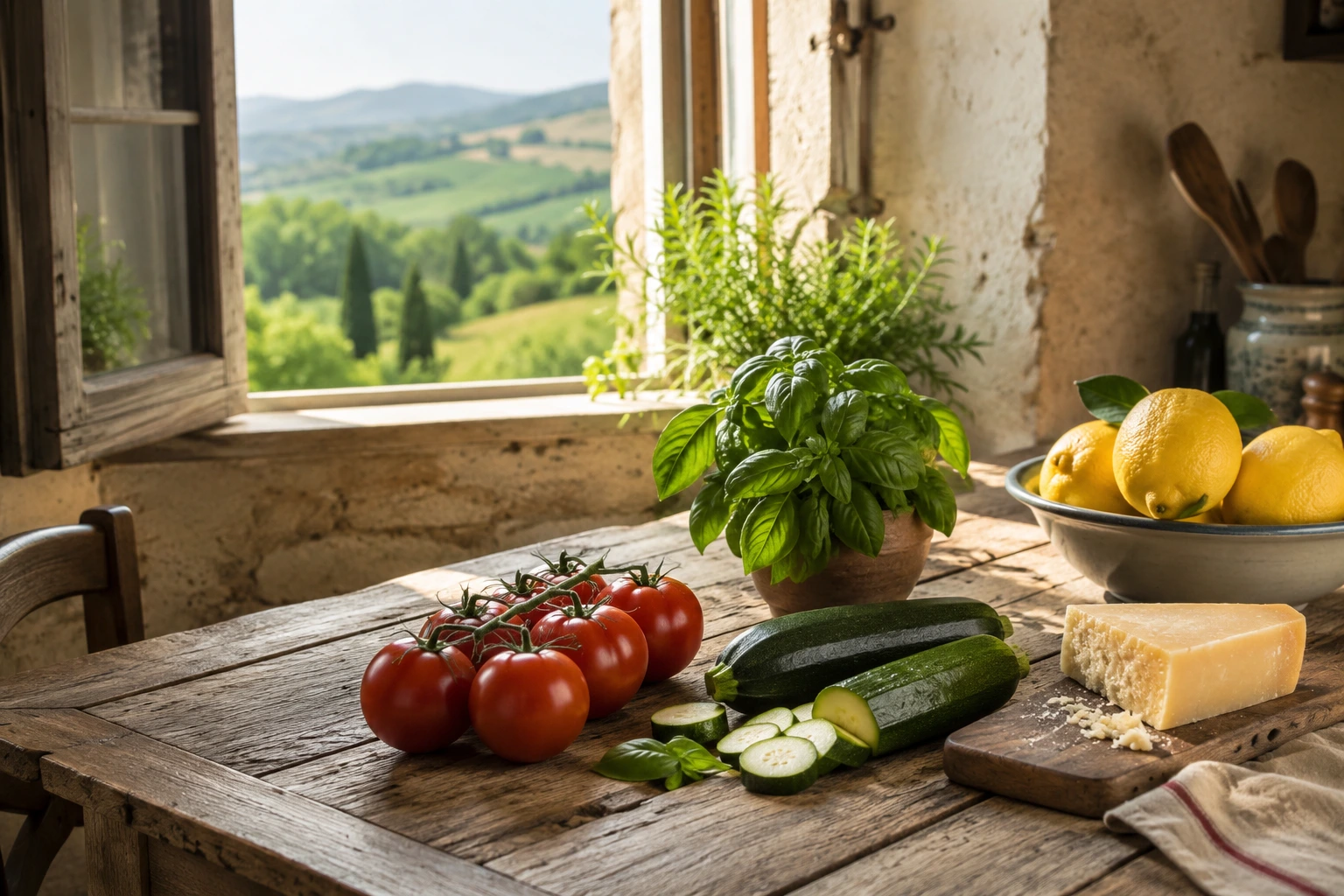
Seasonal Italian food tastes better because fruits and vegetables picked at peak ripeness carry more natural sugar, acidity, and aroma. A ripe August tomato, for example, brings a sweetness that no amount of seasoning can recreate in winter.
That’s why so many Italian recipes call for so few ingredients. When the produce is at its peak, a little extra virgin olive oil, some salt, and a clove of garlic do all the work for you.
We see this every day in our kitchen, and the gap between in-season and out-of-season produce is obvious from the first bite. Italian grandmothers understood this better than anyone, and they never cooked against the calendar. They built every meal around fresh ingredients in true Italian cooking.
How Fresh Produce Changes Italian Cuisine Throughout the Year
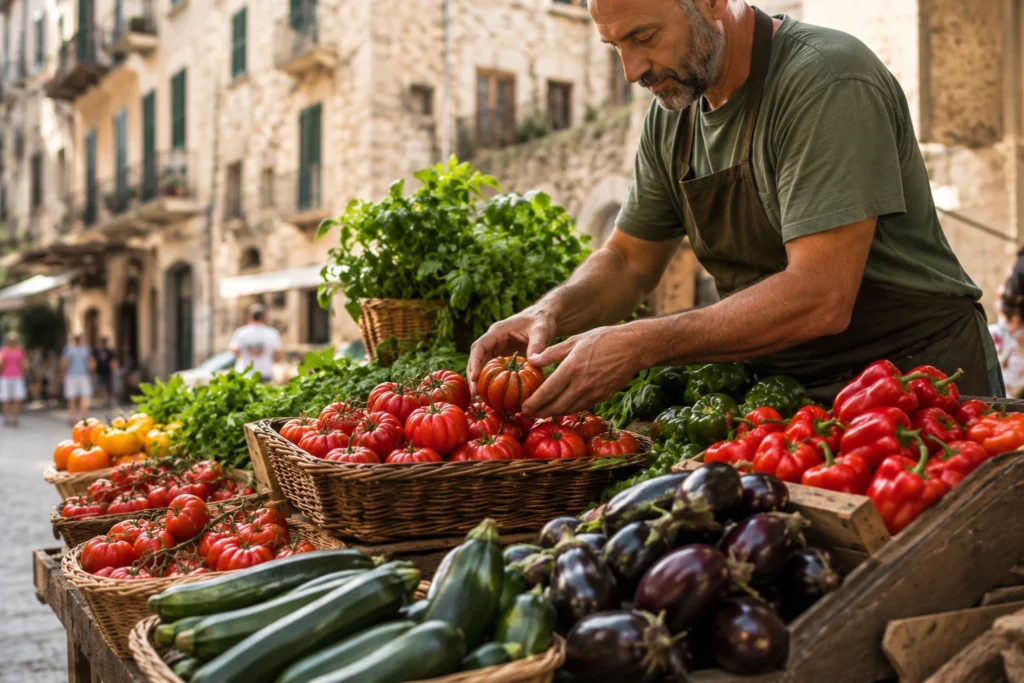
Italian menus can look completely different four times a year, and every change starts at the market. The fresh produce available in any given month decides what goes on the plate and how you cook it.
Here’s how that breaks down across Italy’s two main growing seasons.
Spring and Summer Ingredients
Spring brings artichokes, peas, fava beans, and asparagus into light pastas, risotto, and fresh salads. By summer, ripe tomatoes, zucchini, zucchini flowers, and eggplant take over almost every Italian dish (try making a caprese in February and you’ll see what we mean).
The cooking style shifts to match the produce, so grilling and quick sautés in olive oil replace heavier techniques. According to the USDA’s seasonal produce guide, most of these ingredients hit their flavor peak between late spring and early September.
Fall and Winter Ingredients
Once the summer harvest wraps up, the kitchen changes direction entirely. Fall fills local markets with porcini mushrooms, wild mushrooms, squash, root vegetables, and cannellini beans. These ingredients bring an earthy depth that pairs well with baked pasta dishes like lasagna.
Believe it or not, some of the most delicious Italian recipes come from the coldest months. Winter calls for slow braises, hearty soups, and rich risotto built around beef, potatoes, and onions.
Roasted vegetables and long-simmered sauces take the place of summer’s light pastas, and the deeper, sweeter flavors speak for themselves.
Fresh Herbs That Bring Italian Food to Life
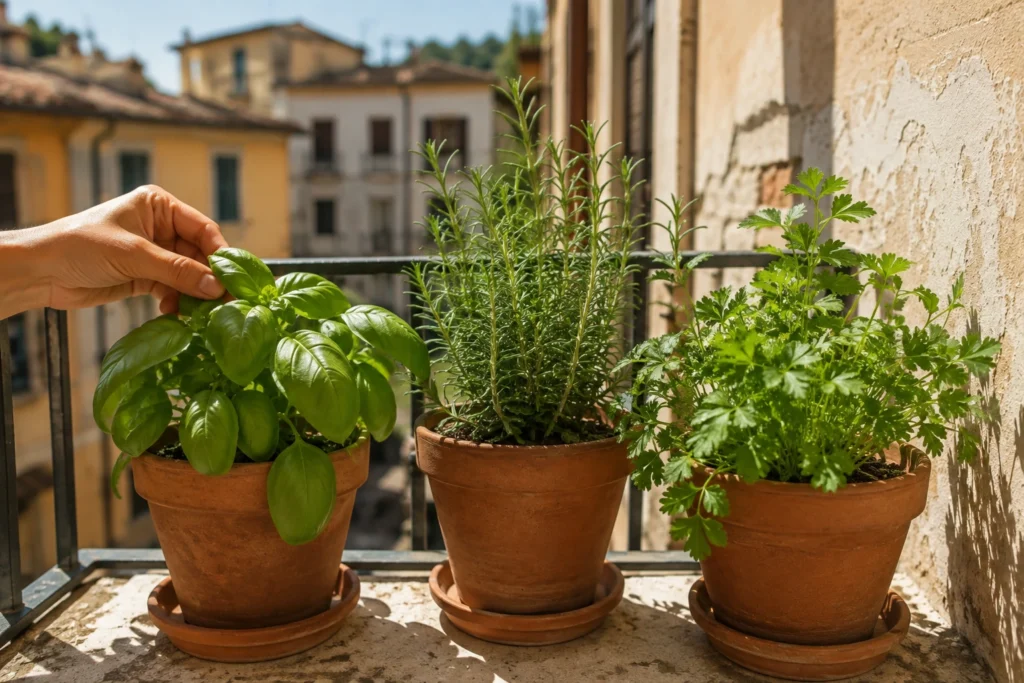
If you’ve ever torn a fresh basil leaf in the middle of summer and noticed how strong the smell is, you already know what we’re talking about. Basil, oregano, and flat-leaf parsley each release the strongest aromas during their growing season, and you’ll notice it in every bite.
Let’s break down the three you’ll use most.
- Basil Peaks in Summer: This herb hits its strongest flavor between June and August, which is why pesto, pizza, and tomato salads taste better in those months.
- Oregano Hits Late Summer: Oregano develop their fullest flavor right before it flowers, usually around July (dried oregano on a margherita is the one exception we’ll allow). Toss it into tomato sauce and roasted vegetables for a warm, earthy bite.
- Parsley Works Year-Round: Flat-leaf parsley stays available throughout the year. Stir it into soups, pasta, and risotto at the end of cooking for a bright, clean finish.
Fresh herbs lose most of their oil within days of being picked, so timing your recipes around peak season gives you the strongest flavor possible.
How One Tomato Sauce Shows Why Seasonal Ingredients Win
A tomato sauce made with ripe August tomatoes tastes nothing like the same recipe made in winter. The fresh version needs only four or five ingredients because the tomatoes already bring enough sweetness and acid on their own.
Put them both on the stove, and you’ll taste the difference immediately.
| Fresh August Tomatoes | Canned or Off-Season Tomatoes | |
| Flavor | Sweet, bright, and naturally acidic | Flatter, often needs added sugar or seasoning |
| Texture | Soft, breaks down quickly in the pan | Denser, requires longer cooking to soften |
| Ingredients Needed | Olive oil, garlic, salt, and fresh basil | Extra salt, wine, onions, and longer simmer time |
Honestly, once you cook with peak-season tomatoes, there’s no going back. Crush them by hand, add a drizzle of extra virgin olive oil and a pinch of salt, and let the sauce simmer for about twenty minutes.
Canned Italian tomatoes will also work well in the off-season, but you’ll need more time and seasoning to reach that same depth of flavor (no shame in a good can of San Marzanos when it’s December).
Now that you know how seasons affect individual ingredients, look at how an entire region in Italy builds its cuisine around the same principle.
What Emilia Romagna Teaches Us About Italian Cooking
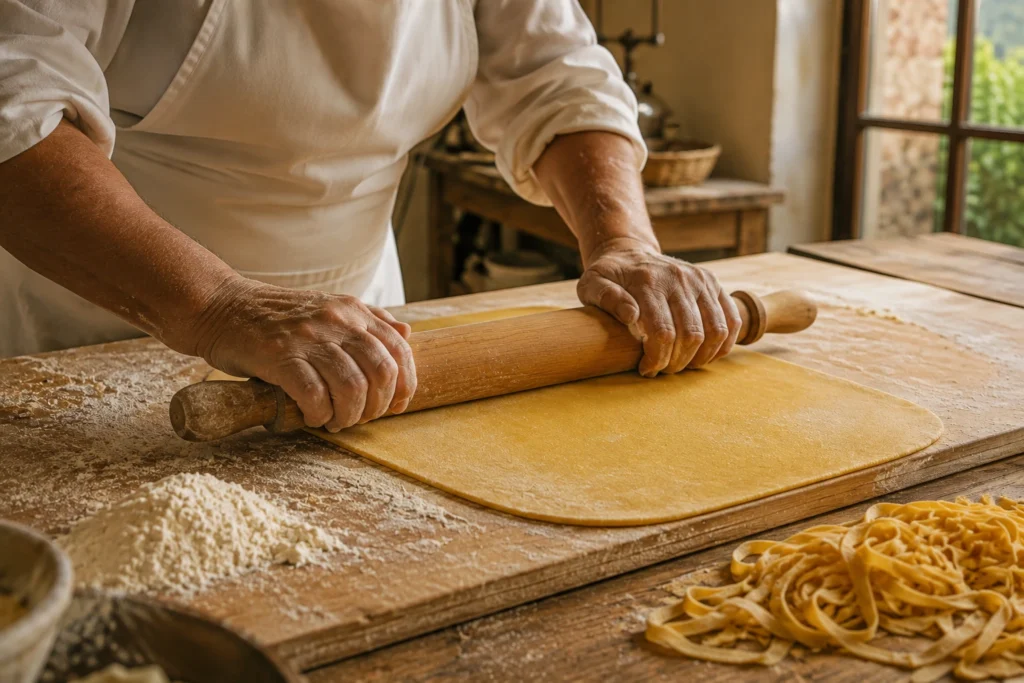
Emilia Romagna is home to Parmigiano-Reggiano, prosciutto, and traditional balsamic vinegar, three products that people travel from all over the world to taste.
Each of these follows strict seasonal production cycles, and Parmigiano-Reggiano producers can only use milk from cows fed on fresh grass between April and November. The official guide to Parmigiano Reggiano from the consortium outlines these rules down to the aging process, which takes at least twelve months.
That same discipline carries over to the local markets. We’ve walked through them ourselves, and the vendors won’t stock something that isn’t ready yet. After all, seasonal eating in Emilia Romagna isn’t a marketing choice.
To put it simply, the land and the calendar set the menus, and every dish tastes richer because of it. There’s no shortcut to flavor like that.
Seasonal Ingredients Make the Best Italian Recipes
Italian food tastes best when the ingredients match the time of year. A ripe summer tomato, a wedge of aged cheese, or a handful of fresh basil at its peak all prove the same point.
Pick one seasonal ingredient, build a dish around it, and let the flavor do the work. Once you taste what fresh, in-season produce does to even the simplest Italian meal, you won’t want to cook any other way.
At Fiore Restaurant, our cooking classes cover seasonal shopping, fresh ingredient prep, and authentic Italian recipes you can bring home with you. Take a look at our class schedule and pick your first session.