You follow the recipe to the letter, same ingredients, same steps, same pan. But somehow your pasta dish tastes different every single time. That frustration is exactly what separates most home cooks from restaurant chefs. In a professional kitchen, consistency isn’t luck. It comes from repeatable habits, like how chefs prep their stations and season their food at every stage.
We run cooking classes at Fiore Restaurant every week, and one question keeps coming up. Students want to know how to get their dishes to turn out right consistently. Usually, the fix comes down to two or three small changes in their routine.
In this guide, we’ll share the Italian cooking tips that pro kitchens rely on daily. That includes how to use olive oil the right way and which Italian dishes build consistency the fastest. Plus, your knife skills and prep routines get a closer look, too.
Italian Cooking Tips That Restaurant Chefs Use Every Single Day
What separates a restaurant chef from a home cook comes down to repeatable habits they practice daily.
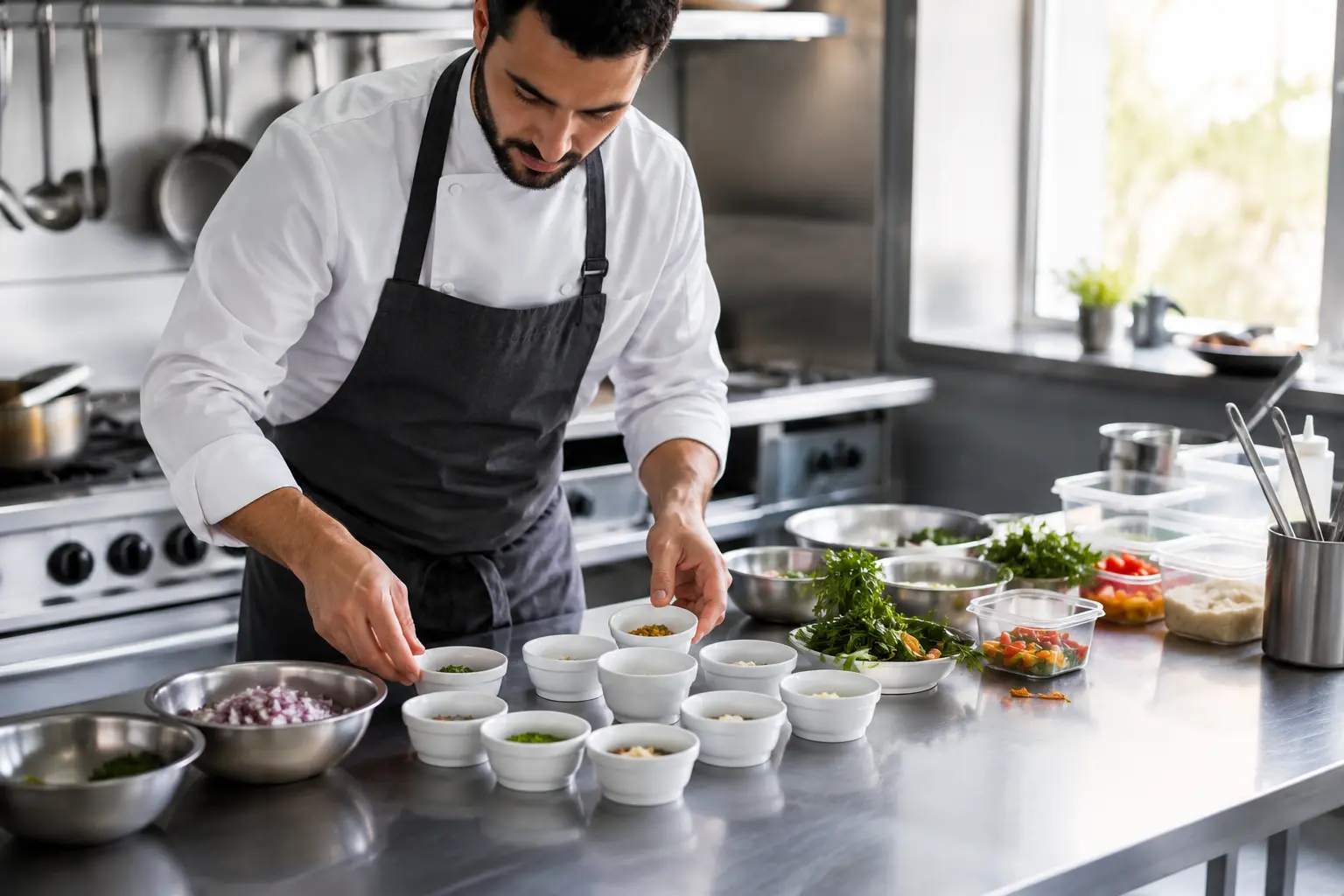
Professional chefs weigh their ingredients instead of eyeballing them, and they prep each item before the burner turns on. That process is called mise en place, and it mirrors the same structured approach behind ServSafe food safety standards.
Most home cooks skip prepping ahead because it feels like extra work. But once you start doing it, your cooking gets faster, and your dishes come out right more often.
The other thing we teach in our cooking classes at Fiore is tasting throughout the process. Chefs check flavor at each stage instead of waiting until the end. If your salt or garlic is off early, you will catch it before it throws off the whole dish.
Why Dry Heat Cooking Methods Give You Bolder Results
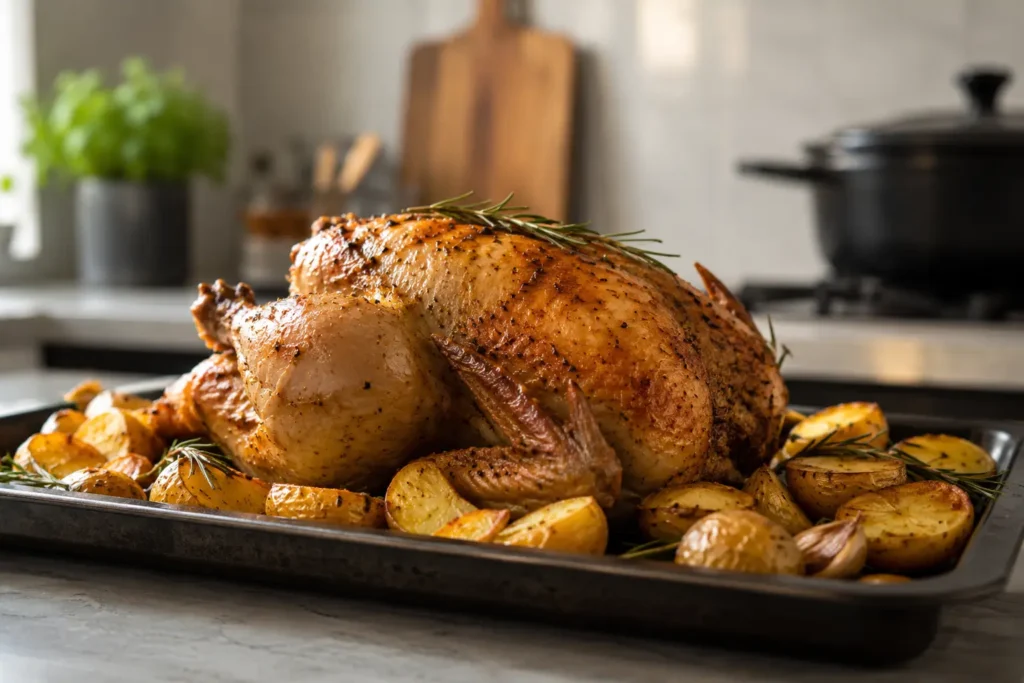
Ever wonder why your roasted peppers never taste quite like the ones from your favorite Italian spot? Most of the time, it comes down to how you use your heat. These are called dry heat cooking methods, and techniques like roasting, searing, and grilling draw moisture out of your ingredients and build deeper flavors.
Here’s how each one plays out in Italian cooking.
Roasting Concentrates Flavor Fast
Roasting vegetables like tomatoes, onions, and bell peppers at high heat caramelizes their natural sugars (that sweet, slightly smoky smell is your sign it’s working). Toss them in olive oil with fresh herbs and salt, then let the oven do its thing at around 425°F.
Once they come out, the taste is bolder and more developed than boiling or steaming ever will give you.
Searing Builds the Foundation for Sauces
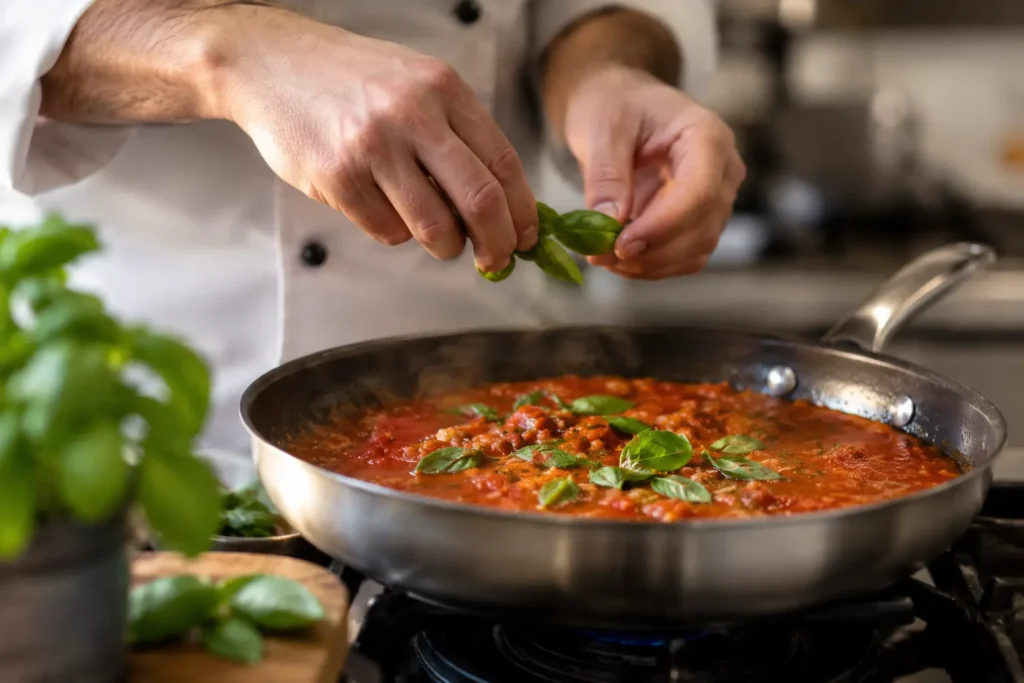
You know that dark brown fond stuck to the bottom of your pan after cooking meat? That’s concentrated flavor waiting to be used. You can deglaze it with a splash of wine or stock, and you’ll have a solid base for pasta sauces and stews. Searing also gives your meat a crispy exterior while the inside stays tender and juicy.
Now, let’s look at the one ingredient that ties all of these dry heat methods together.
How Olive Oil Affects Every Stage of Italian Cooking
Which olive oil you grab and when you add it can change your entire dish.
Extra virgin works best drizzled over finished recipes, salads, or bread because that fruity, peppery kick holds up when it stays off direct heat. But when you need to sauté vegetables or sear meat in a hot pan, regular olive oil is the better choice. It handles high temperatures without turning bitter.
After going through more brands in our kitchen than we can count, one thing became clear: the label rarely tells you how an oil performs once it hits the flame. So try this at home: finish a simple tomato and herb pasta with a good extra virgin, then make the same dish but cook the oil from the start. The version with the drizzle at the end will carry a brighter, sharper flavor.
On the flip side, using the wrong grade at the wrong stage throws your food off completely. Roast your vegetables in extra virgin, and the heat burns out those delicate notes you paid extra for. Top a fresh salad with regular oil instead, and it falls flat because that bold, sharp bite is gone.
3 Italian Dishes That Teach You Real Kitchen Consistency
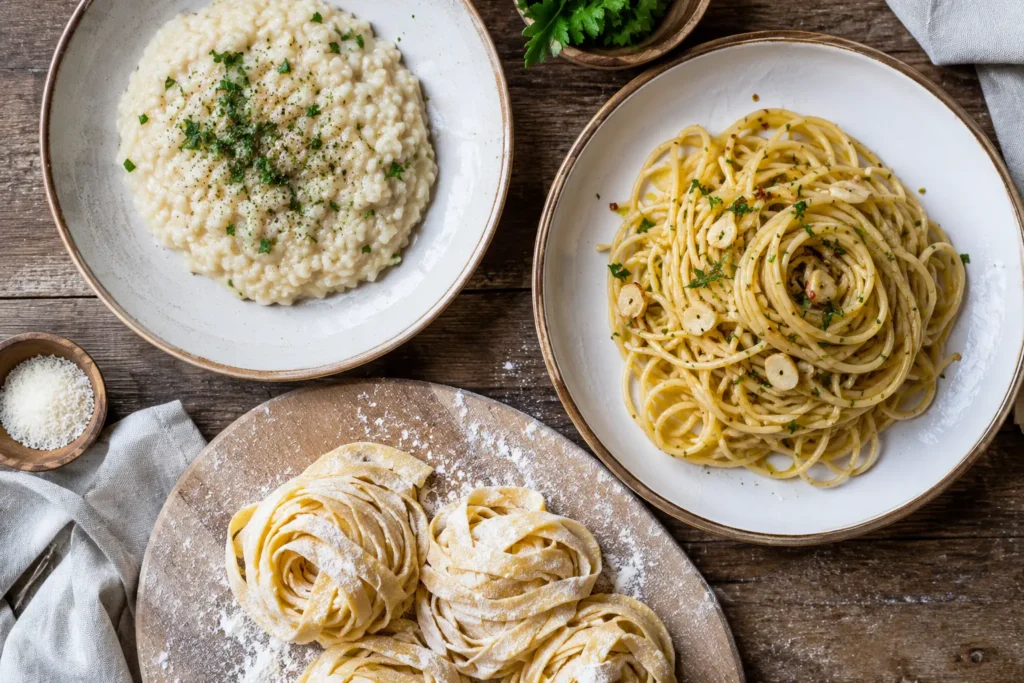
Since you know which oil to use and when, it’s time to put that knowledge into actual recipes. These three Italian classics will show you where your habits need work.
- Risotto Takes Patience: A good risotto demands constant stirring and precise liquid additions to reach that creamy texture. You have to control the heat, the stock ratio, and the timing all at once (your arm will let you know when you’ve done it right). Rush any one of those steps, and the rice turns out gummy or undercooked.
- Aglio e Olio Exposes Everything: Five ingredients, zero places to hide. If your garlic burns or the pasta water lacks enough salt, you will notice it in each bite. This one forces you to pay attention to oil temperature, timing, and how you toss the pasta in the pan.
- Fresh Pasta Demands Precision: Getting the flour and eggs to the right hydration ratio is where most home cooks struggle. Too much liquid and the dough sticks to everything. Too little and it cracks the moment you try to roll it out. From there, each batch teaches you to trust your hands and adjust by feel.
All three of these recipes strip away the safety net. But that’s how you get better. You cook it, you mess it up, and you figure out what went wrong.
How Professional Kitchens Keep Italian Food Tasting the Same Every Time
A restaurant kitchen serves the same pasta dish 80 times on a busy Friday night, and each plate has to hold up to the last. Believe it or not, most of it traces back to simply writing things down.
| Habit | Professional Kitchen | Home Kitchen |
| Recipes | Weighed in grams with exact cook times | Eyeballed with rough estimates |
| Tasting | Chefs check flavor before plating | One quick taste before serving |
| Plating | Follows a visual guide for each dish | Different every time |
| Prep | Full checklist before service starts | Done on the fly |
Professional kitchens run on systems like HACCP principles for food safety, which spell out how to store, prep, and cook every ingredient the same way. Line cooks follow those steps for each recipe and check flavor throughout the shift (most home cooks don’t do this until dinner is already on the plate).
So whether you eat there on a Monday or a Saturday, your meal will always come out tasting right.
Start Using These Culinary Techniques in Your Own Kitchen
At this point, you have the habits and the know-how. It’s time to try these culinary techniques at home.
Pick one habit from this article, something like weighing your ingredients or tasting at each stage, and stick with it for a full week of meals. Then write your recipes down with exact measurements so you can eat your best food again whenever you want.
Honestly, none of this requires a professional setup. A good routine and the effort to pay attention while you cook are enough to start cooking Italian cuisine with consistency. And if you want to learn these skills hands-on, our classes at Fiore Restaurant cover all of them in a real kitchen.