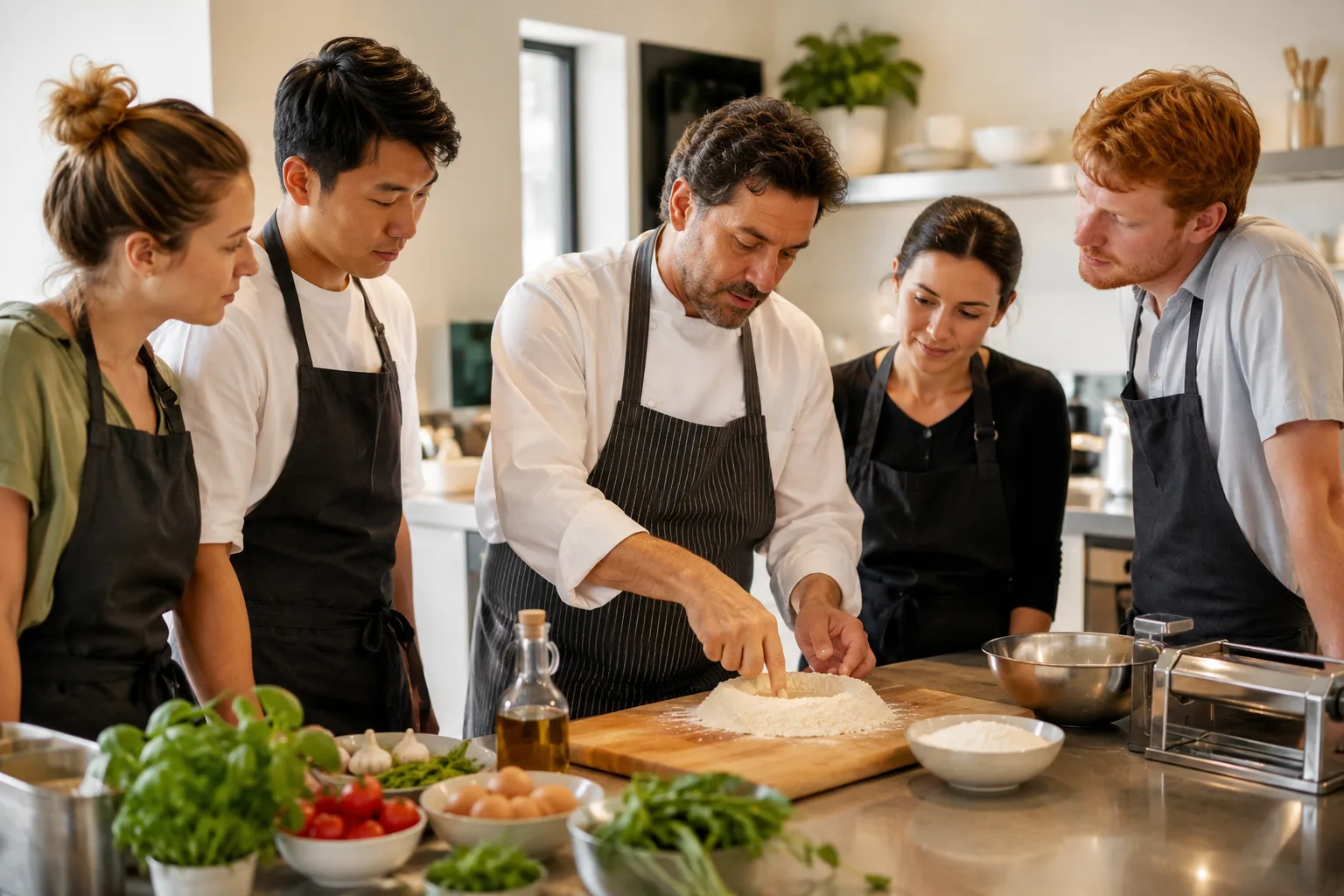
Most family recipes never get written down. They live in the hands of the person who makes them, so when that person stops cooking, the dish fades away too. Culinary classes give those recipes a second life by teaching the techniques and traditions behind them in a real kitchen environment.
That’s something we care about deeply at Fiore Restaurant, where we run culinary programs right alongside our Italian kitchen. Over the years, our instructors have helped students turn handwritten family recipes into dishes they can confidently cook on their own.
In this guide, you’ll learn how culinary education protects food heritage and what culinary arts students pick up beyond the recipe. We’ll also break down how cooking schools differ from culinary schools, and how global programs keep heritage cuisines alive for future generations.
Why Culinary Education Keeps Food Traditions Alive
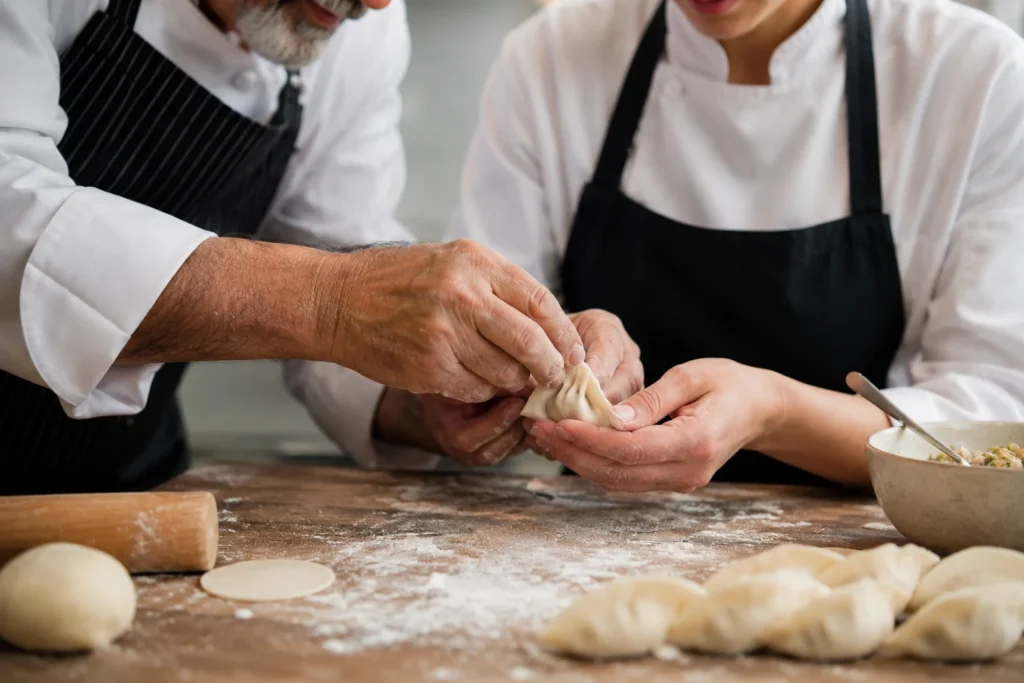
Cooking customs survive when someone takes the time to teach them hands-on in a real kitchen alongside the next generation. Frankly, if nobody shows your kids how to fold a proper agnolotti or build a soffritto from scratch, those recipes vanish in a single lifetime.
UNESCO recognizes cooking traditions as intangible cultural heritage and food traditions, placing them on the same level as music, dance, and spoken language.
Culinary classes take that idea and put it into action. Passionate instructors walk students through the history, technique, and flavor behind each dish so they understand the why behind every step.
That kind of education stays with you long after class ends. So naturally, students bring those skills back to their own families and restart recipes that may have skipped an entire generation.
Now, let’s look at what happens once students get past the basics.
What Culinary Arts Students Learn Beyond Recipes
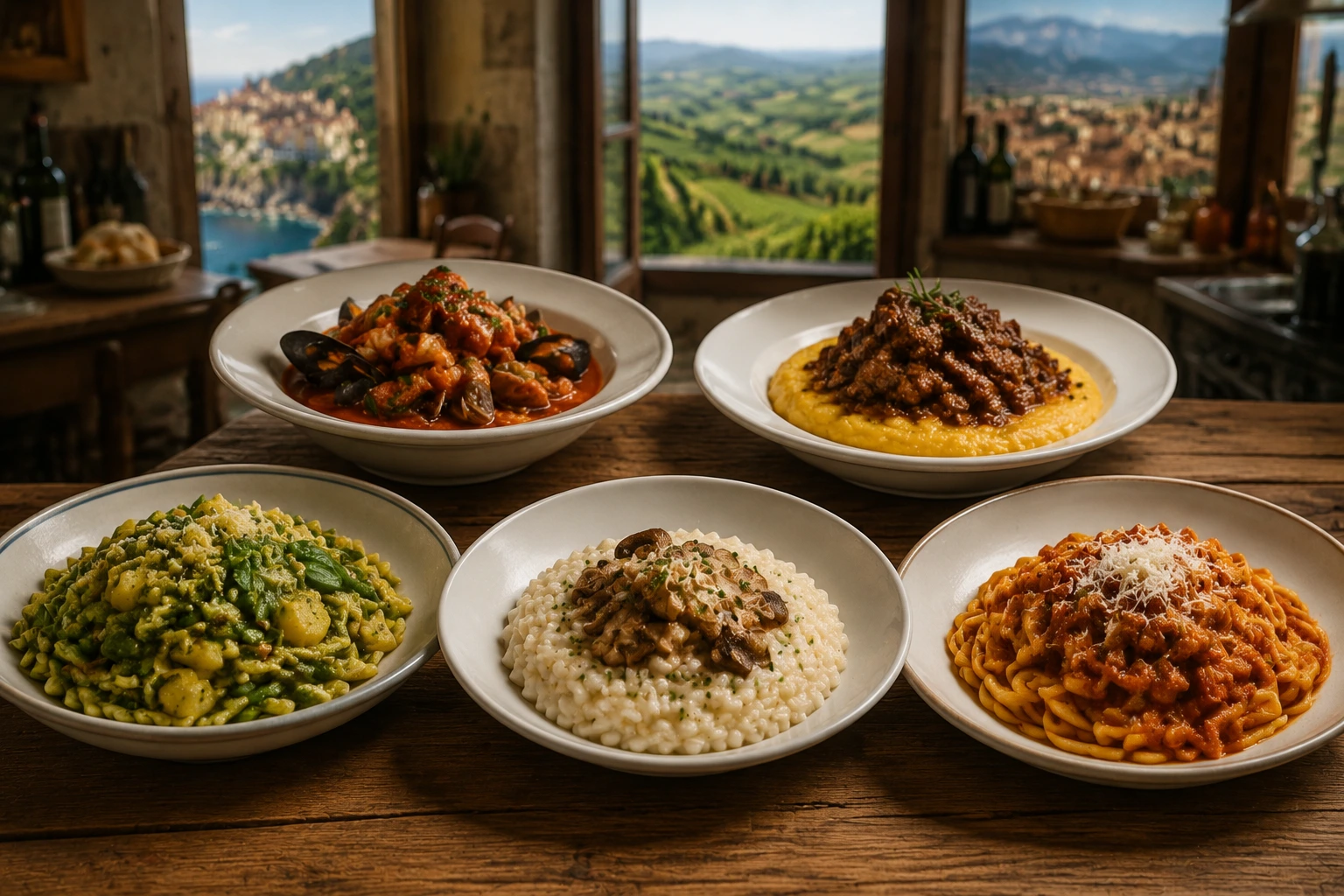
Now, let’s look at what happens once students get past the basics. Most people walk into a culinary arts program expecting to learn recipes (spoiler: it has very little to do with memorizing ingredient lists). The real education begins with flavor, like why a coastal Italian kitchen pairs anchovies with lemon while an inland cook reaches for pork fat and sage.
Culinary arts programs prepare students to explore those pairings through hands-on coursework in spice work, regional sourcing, and food history.
In fact, a research study on culinary traditions as cultural heritage found that documenting these cooking customs through formal education helps keep them alive for future generations. That foundation carries into wine pairing, baking, and dessert work, too, which is great news if you have a sweet tooth.
By the end of a program like this, students can break down a dish by taste and technique instead of just following steps on a page.
Hands-On Techniques That Build Real Kitchen Confidence
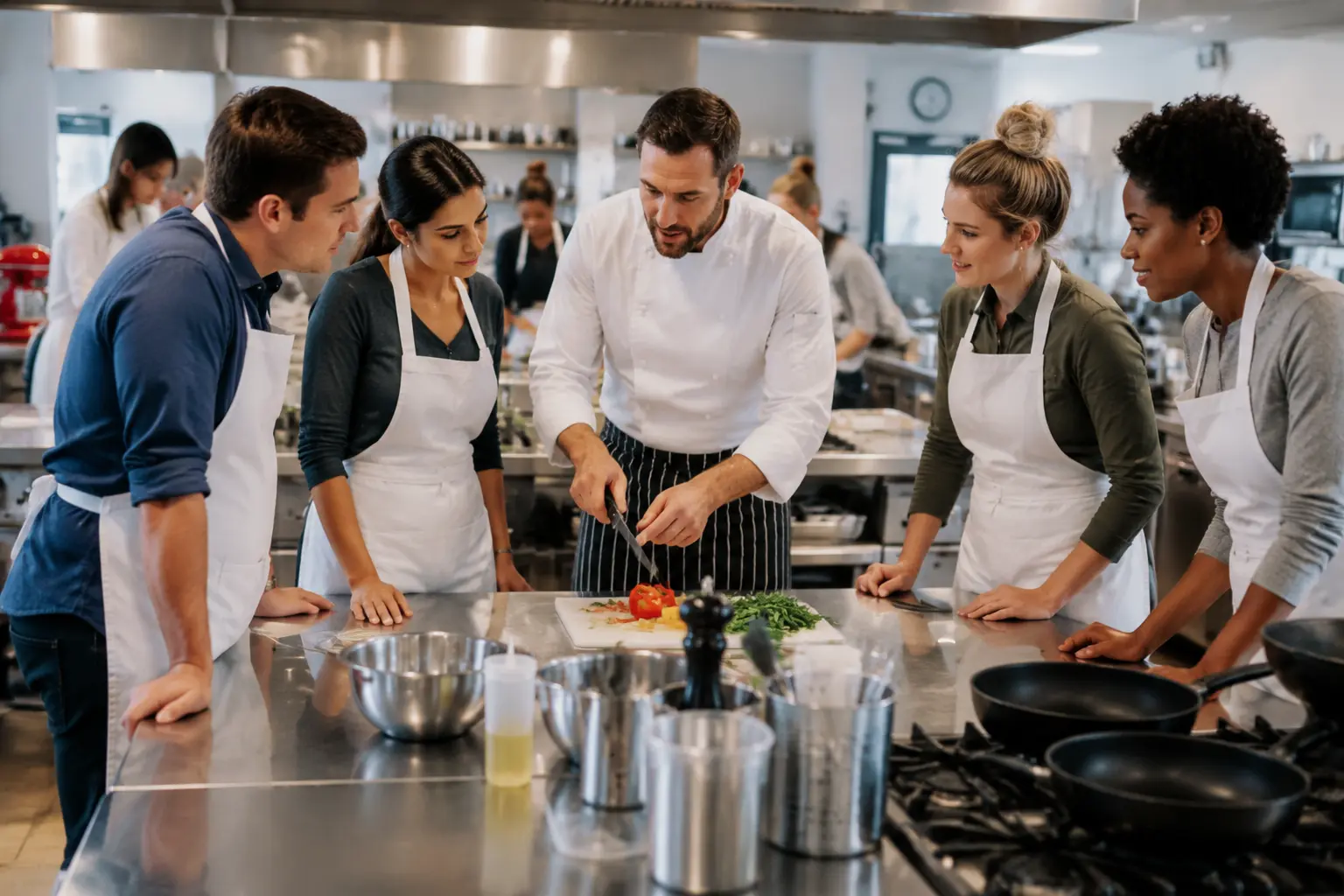
The best part about hands-on training is that you build confidence through repetition at the stove instead of reading about it. Our instructors at Fiore Restaurant have seen this dozens of times, starting with a student who can barely hold a chef’s knife on day one. A few sessions later, that same student dices onions like a prep cook.
Experienced chef instructors correct your grip, posture, and timing in real time, so the habits stick after just one class. Students gain experience with tools like mandolines, pastry bags, and cast-iron skillets that most home kitchens don’t stock.
That hands-on practice is what makes cooking classes improve skills and turn the kitchen into a place that feels fun. Once that foundation is set, the next question most people ask is where to study.
How Cooking School Differs From Culinary School
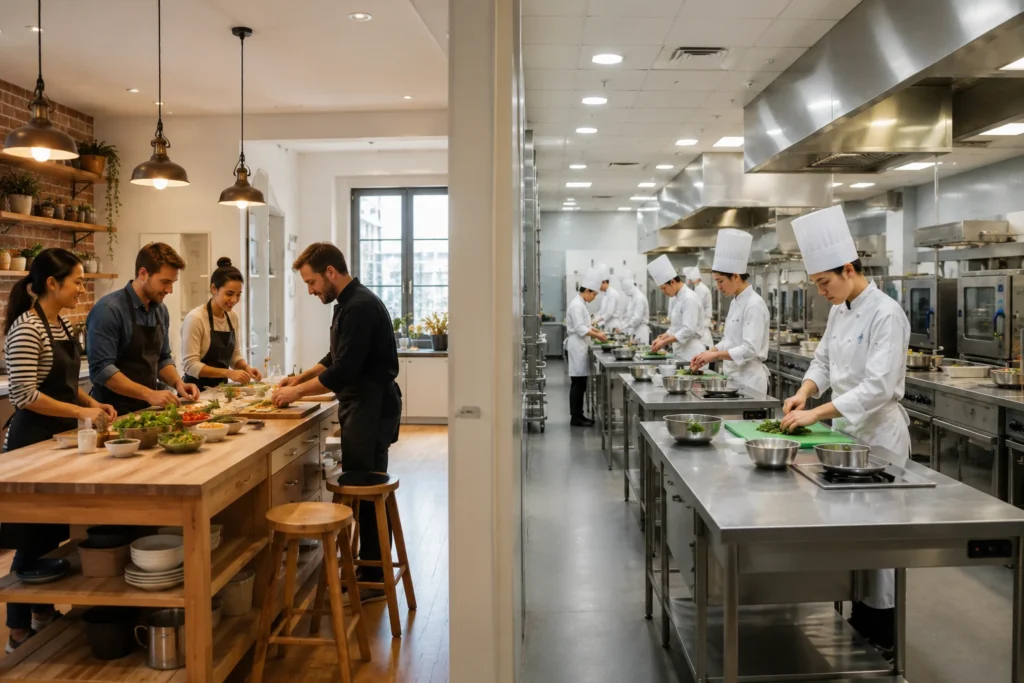
Look, the names sound similar, but a cooking school and a culinary school will put you on very different paths.
| Cooking School | Culinary School | |
| Focus | Home cooking skills | Professional kitchen operations |
| Typical Student | Home cook, hobbyist | Aspiring chefs pursuing a culinary career |
| Depth | Practical recipes and techniques | Food science, restaurant management, and plating |
| Career Path | Better meals at home | Professional chef roles in restaurants and the hospitality industry |
Unlike other schools that blend both approaches, most programs draw a clear line between the two. Cooking schools sharpen your confidence in your own kitchen, while culinary programs train chefs to run service in a professional kitchen during peak dinner rush.
Ultimately, the real payoff depends on your goals. If you love feeding your family on weeknights, a cooking school helps sharpen those skills. And if you want to explore how culinary education shapes better restaurant kitchens, a culinary school gives you the career foundation to get there.
Why In-Person Cooking Classes Connect You to Cultural Roots
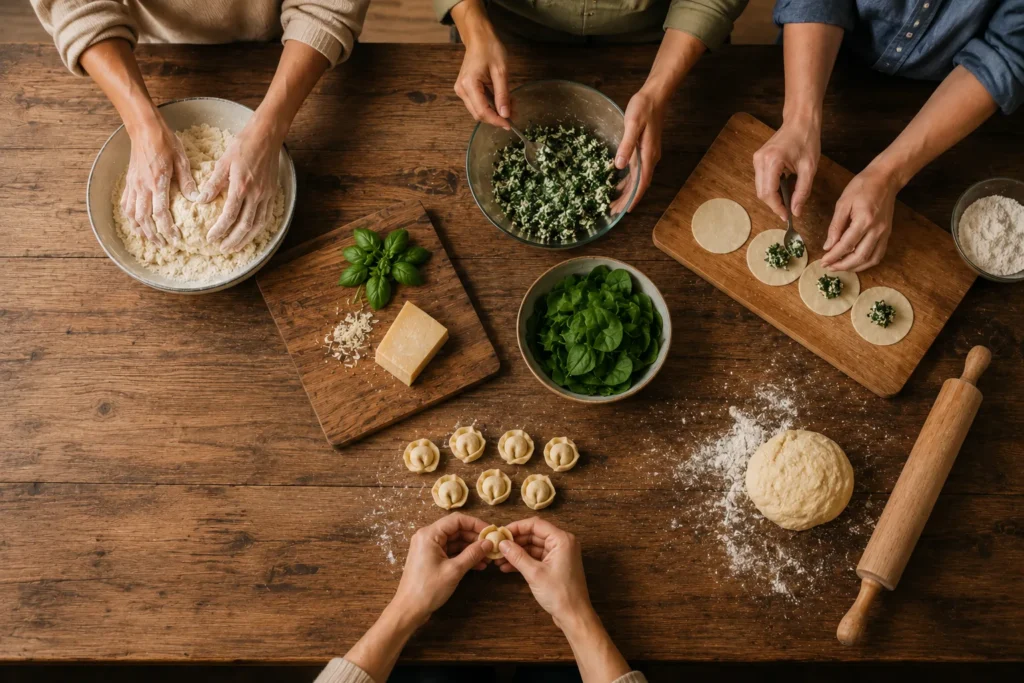
Ever noticed how a dish tastes completely different when someone shows you how to make it right next to you? We’ve run enough in-person cooking classes at Fiore Restaurant to know this firsthand.
A student who learns to deglaze a pan beside a chef instructor nails the timing in one session instead of fumbling through it for weeks. Real-life classes build that connection to your cultural roots through three experiences you won’t find online:
- Sensory Learning in Real Time: You smell the garlic hit the oil, taste the sauce mid-cook, and adjust the seasoning on the spot. A tomato from a local farm behaves differently in a hot skillet than a canned one, and your palate picks up on that distinction fast. (and no amount of rewinding a video fixes that)
- Shared Kitchen Rhythm: Cooking alongside other students mirrors how families have passed down recipes for generations. You feel the pace of a meal coming together, from prep to plate, and you carry that rhythm into your own kitchen afterward.
- Cultural Context at the Stove: Your instructors explain why coastal Italian cooks reach for anchovies while inland regions rely on cured pork. Those flavor profiles took centuries of local agriculture to develop, and a single class can unpack that history in a way a cookbook never will.
Great food starts with knowing the culture behind it, and in-person classes at restaurants like Fiore put you in the middle of that story.
How Culinary Training Turns a Home Cook Into a Tradition Keeper
Believe it or not, most home cooks already have the instincts to preserve family recipes. What culinary training adds is the technique to replicate a dish the same way every single time.
A home cook who understands why a recipe works can walk a daughter or nephew through it step by step (most family recipes never make it past one generation without someone writing them down). Simply put, culinary training gives you the skills needed to explain why the ragu rests for 20 minutes before serving. You’ll also know why the pasta water needs salt before it boils. Without that knowledge, the next generation ends up guessing.
And you don’t need to quit your day job or chase a culinary career to find success. Plenty of students take classes out of pure passion for cooking and a dream of passing their grandmother’s recipes down accurately. When your family sits around the table, and the dish tastes exactly like it used to, that’s the payoff.
Home Cook Classes That Carry Culinary Traditions Forward
Now that you know how culinary programs protect food heritage, here’s what comes next. Get into a kitchen and cook alongside someone who can teach you. Even a single weekend home cook class with the right professionals can help you nail your grandmother’s meatball recipe on the first try.
Those kinds of classes keep your family’s recipes alive for another generation. And they give you the confidence to teach someone else down the road. If that dream sounds familiar, our cooking schools and classes at Fiore Restaurant were built for people just like you.
Come cook with us and carry your food traditions forward.