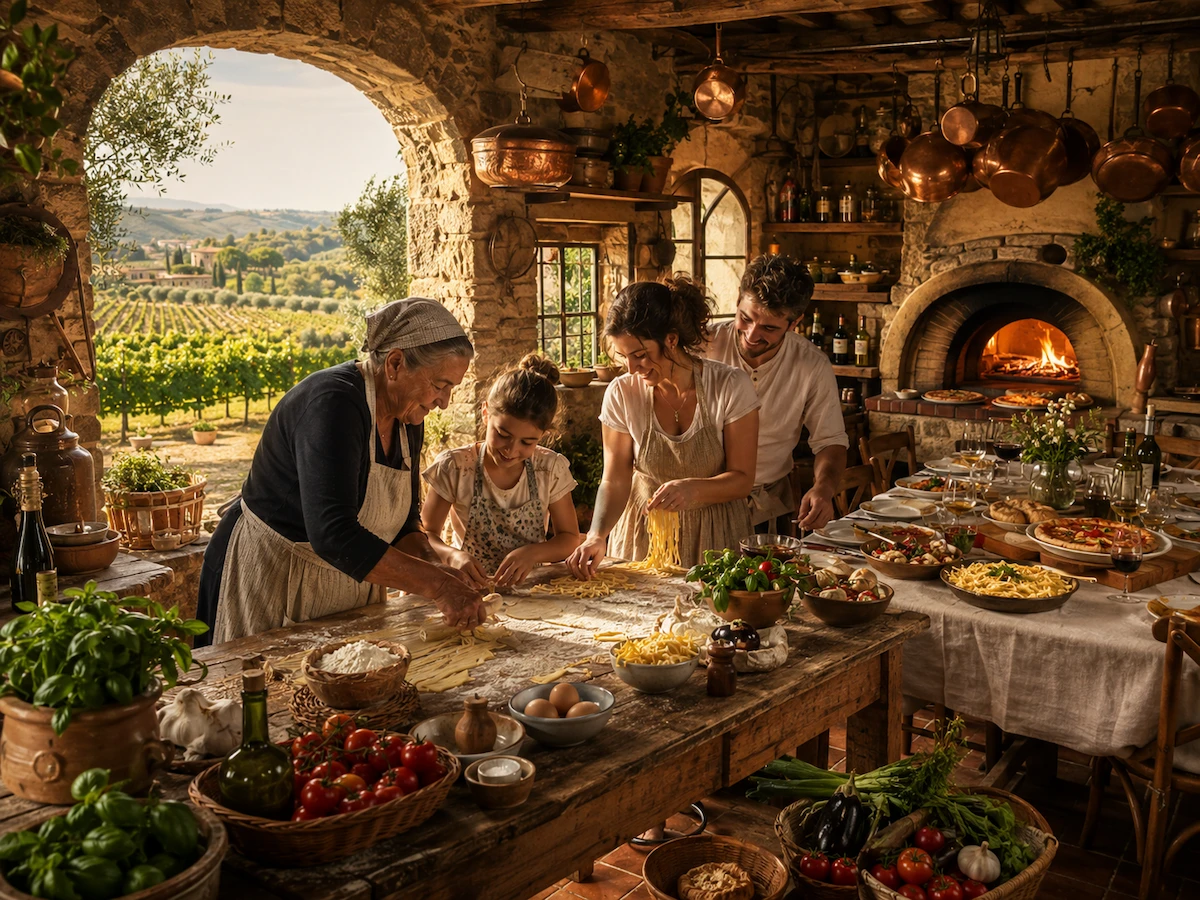
Italian cuisine keeps winning new generations with its simple, honest, and impossible-to-forget flavors. If you ever walk into any Italian restaurant on a Friday night, you’ll find people who travelled across town just for a favourite meal. And only a few cuisines inspire that kind of loyalty year after year.
In Italian cuisine, the secret sits in the recipes themselves. Generation after generation, families across Italy have passed down the same preparations because they continue to deliver the same familiar flavours.
In this article, you will learn why authentic Italian dishes hold up across every era, what makes the cooking so approachable, and how that tradition stays alive in kitchens today. Keep reading.
The Ancient Roots That Still Shape Italian Food Today
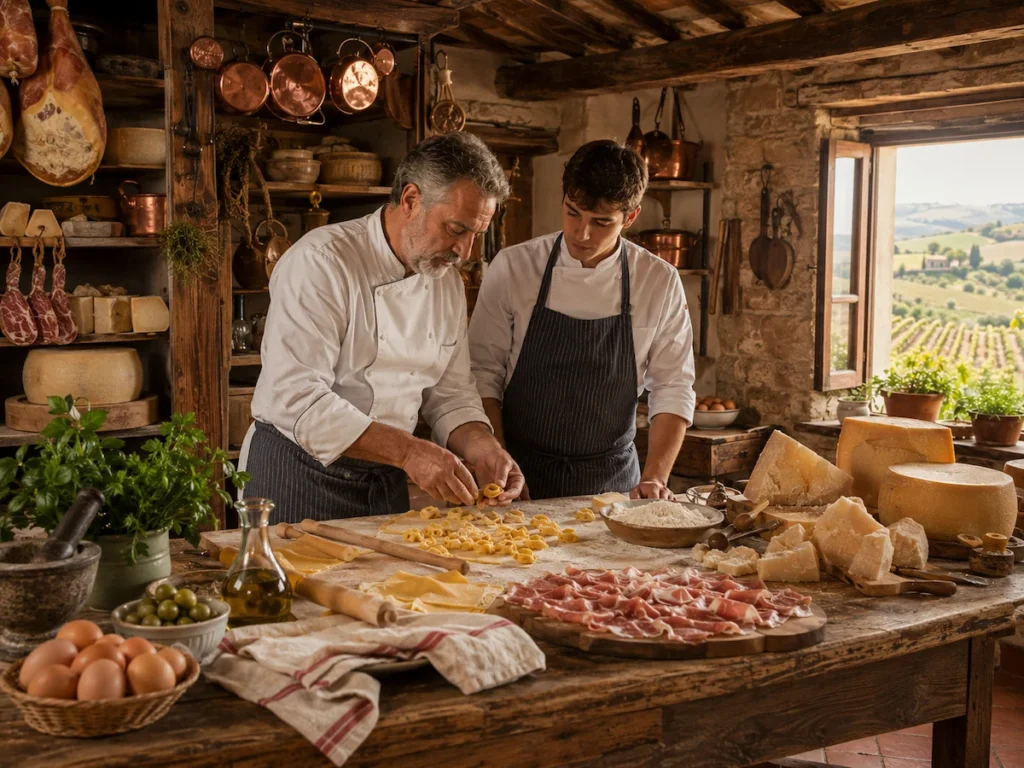
Italian food has been evolving for over a thousand years, and each generation has added to those traditions that continue to this day. Every bite of pasta, slow-cooked sauce, and wedge of aged cheese reflects recipes refined over generations.
The following two chapters of that story influence Italian cooking today.
How the Middle Ages Built the Foundation of Italian Cooking
The Middle Ages gave Italian cooking its backbone, with preserved meats, grain-based dishes, and early pasta techniques that they still use today.
And much of that progress happened inside monastery kitchens. These kitchens across Italy hold the first real cooking schools that developed bread-baking and pasta-making methods. Culinary schools teach some of those recipes even today.
Trade routes then pushed things further by introducing new spices and produce from the Arab world and beyond. Italian cooks gradually incorporated these ingredients into local recipes and expanded a culinary tradition that continues to evolve today.
Why Emilia Romagna Still Sets the Standard for Authentic Italian Dishes
Emilia Romagna sets the standard because it produces Italy’s most protected and imitated ingredients under some of the strictest food traditions in the world. For instance, Parmigiano-Reggiano, Prosciutto di Parma, and fresh egg pasta all come from this region (yes, that cheese takes at least 12 months to produce).
So, studying a few Emilia Romagna recipes gives home cooks access to some of the most refined Italian techniques anywhere. And that regional pride around ingredients carries straight into how Italian cooks treat something as simple as olive oil.
Olive Oil and the Mediterranean Diet: The Science Behind the Love
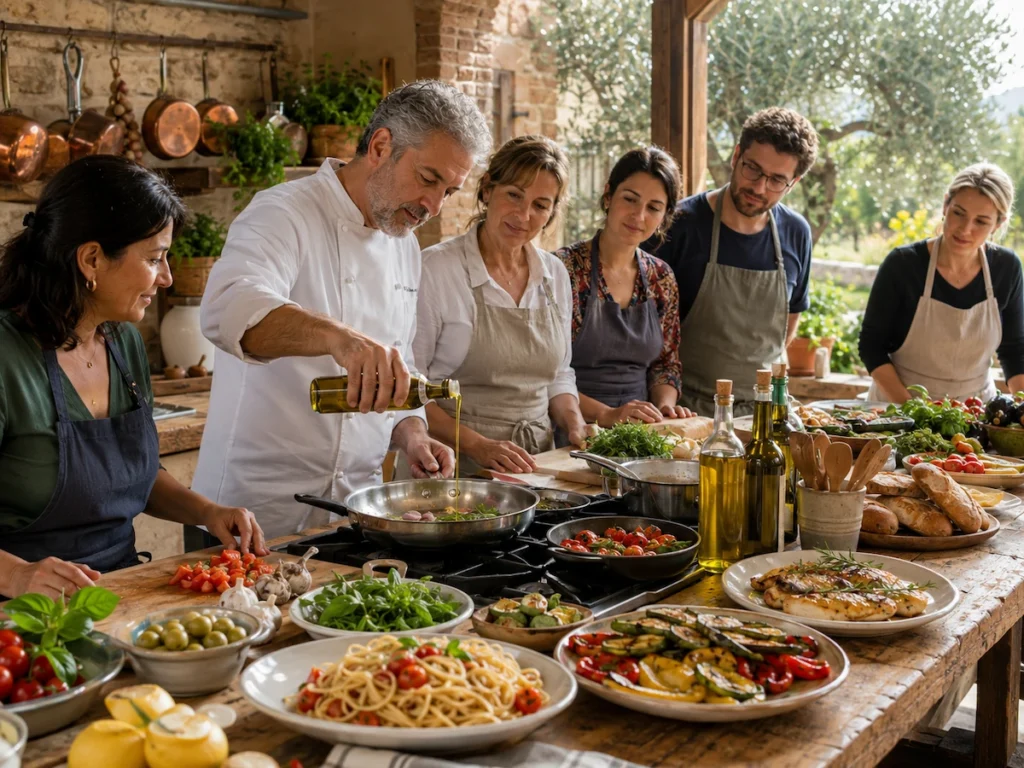
Cooking with extra-virgin olive oil brings great flavor and genuine health benefits to your meals. That’s why we instruct students to learn how to use extra-virgin olive oil in our cooking classes, and the difference in flavor hits them immediately.
Here are three reasons Italian cooks never reach for anything else:
- Extra Virgin Olive Oil Builds the Base: Most authentic Italian dishes start with a generous amount of extra virgin olive oil in a cold pan. Italians use it to wake up garlic flavors and aromatic herbs before anything else goes in. The first minute of cooking sets the flavor direction for the entire dish.
- The Mediterranean Diet: Olive oil forms the foundation of the Mediterranean Diet and ranks among the most well-researched healthy eating patterns worldwide. Besides oil, it also contains fresh tomatoes, seasonal vegetables, and lean proteins. And researchers keep coming back to this food because the results are consistent across decades of studies.
- Olive Oil Finishes the Dish Too: Italian cooks reach for the bottle at the end just as often as the beginning. A drizzle over pasta, a splash over grilled seafood, or a pour over roasted bell peppers right before serving multiplies the flavor of the food. Lemon juice sometimes goes in alongside it to lift the whole plate.
Frankly, good ingredients don’t need much help to cook a delicious meal. And Italian cooking has reflected that philosophy for centuries.
Italian Dishes That Cross Every Generation
Only a few cuisines bring different generations to the same table as naturally as Italian food. Its recipes continue to earn their place because they focus on flavour instead of complexity.
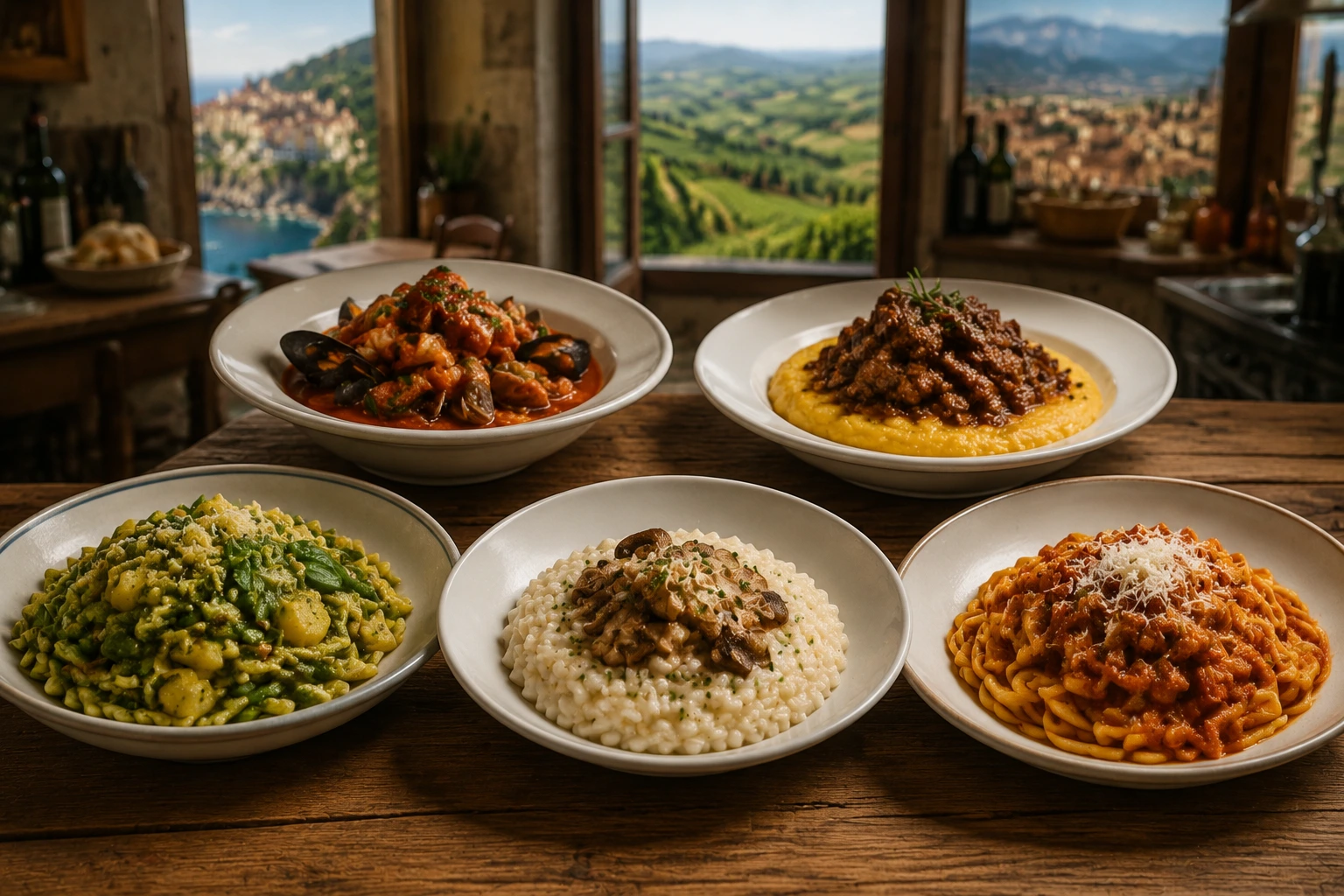
For instance, handmade pasta with a slow-cooked tomato sauce. It needs flour, eggs, ripe tomatoes, garlic, and a little patience (no complicated technique or any hard-to-find ingredients). Yet the flavor it delivers matches anything a trained Italian chef could put on a plate.
Pizza, risotto, meatballs, seafood dishes, baked pasta, and iconic desserts like tiramisu all follow the same logic. Each one starts with quality ingredients, builds flavor in layers, and lands as a complete meal without needing much. Just a red wine alongside, maybe a little white wine with the seafood, and you’ve got a complete meal.
Italian cooking also helps you build skills that carry across countless recipes. A few of those foundational skills include:
- Sauce-making
- Pasta shaping
- Working with fresh cheese and mozzarella
- Understanding how garlic behaves in hot olive oil
That is exactly why people keep coming back to Italian cooking classes, year after year.
On top of that, Italian cuisine varies so much across regions that there’s always another dish to discover. For example, Northern Italy leans into risotto, veal, and rich meat-based preparations. Southern tables bring forward bold tomatoes, fried vegetables, pecorino romano, and bright citrus fruits.
Interestingly, even with those regional differences, Italian food keeps a clear identity. That balance between familiarity and variety has helped it earn worldwide popularity.
Italian-American Cooking: A New Chapter on an Old Story
Italian-American cooking took Italian traditions in a different direction. It stemmed from immigrants recreating the flavours of home with the ingredients available to them. Over time, those adaptations created a distinct cuisine with its own flavours, traditions, and identity while still reflecting its Italian roots.
Now, let’s learn the rise of Italian-American cooking:
How Italian American Kitchens Kept Authentic Italian Alive
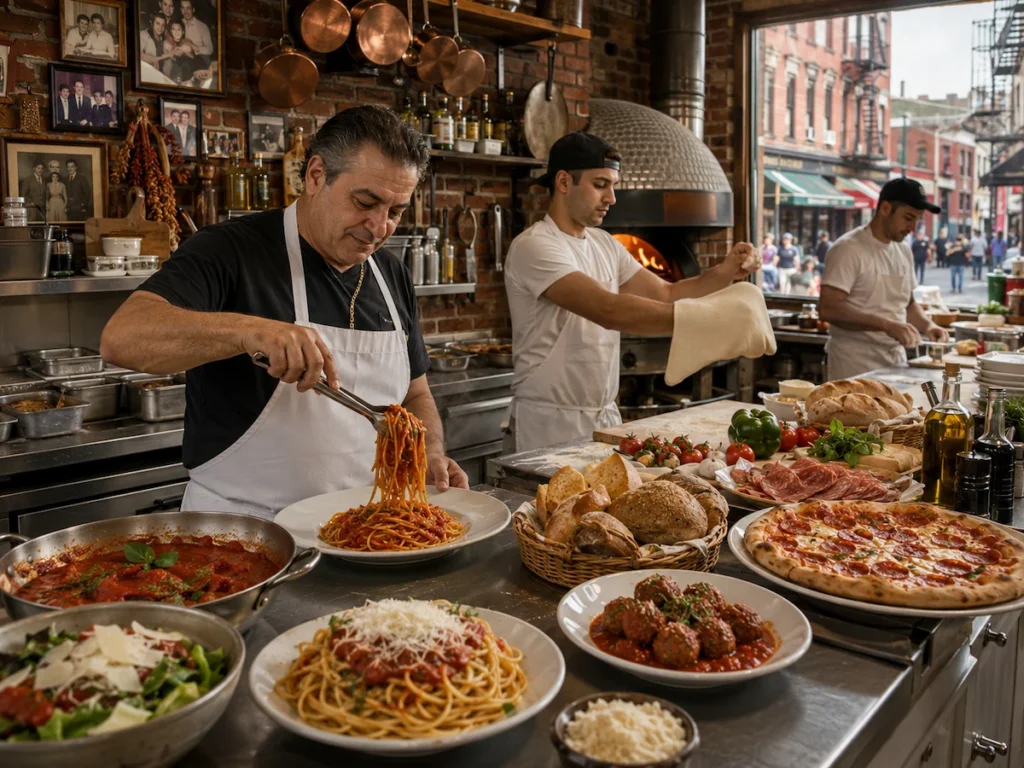
Italian American kitchens kept authentic flavors alive by protecting family recipes. As a result, Sunday gravy, stuffed shells, and meatballs became weekly rituals in Italian-American dishes across generations without a single cooking class.
After teaching Italian cooking for years, we have seen students light up the moment they realize Grandma’s Sunday sauce was actually a regional Italian recipe all along. These simple emotions show how the distance from Italy gave those food traditions a deeper cultural meaning.
Baked Pasta and the Comfort Foods That Stuck Around
Baked pasta delivers deep, layered comfort people return to regardless of how food trends change. Its rich layers and make-ahead convenience have made lasagna a staple at celebrations for generations.
That popularity starts with the way native kitchens build those dishes. Lasagna and baked ziti combine layers of pasta, mozzarella cheese, slow-cooked meat sauce, and sometimes bell peppers. Every serving includes a balanced mix of flavours and textures.
Specifically, the combination of melted butter, rich tomato base, and pulled mozzarella creates a depth of flavor few other Italian-American food traditions can match.
Learning to build those layers correctly is the first technique home cooks pick up in Italian-American food traditions. So Lasagna and baked ziti give them the chance to practise those skills in a single dish.
Your Next Great Italian Meal Starts Here
Italian cuisine has remained popular for centuries because it relies on simple recipes and quality ingredients. Its traditions began in regional Italian kitchens and spread to homes and restaurants around the world, where people still gather to share good food.
Over time, the dishes changed by region, the influences shifted across centuries, yet the experience at the table stayed the same. Warm, familiar, and deeply satisfying.
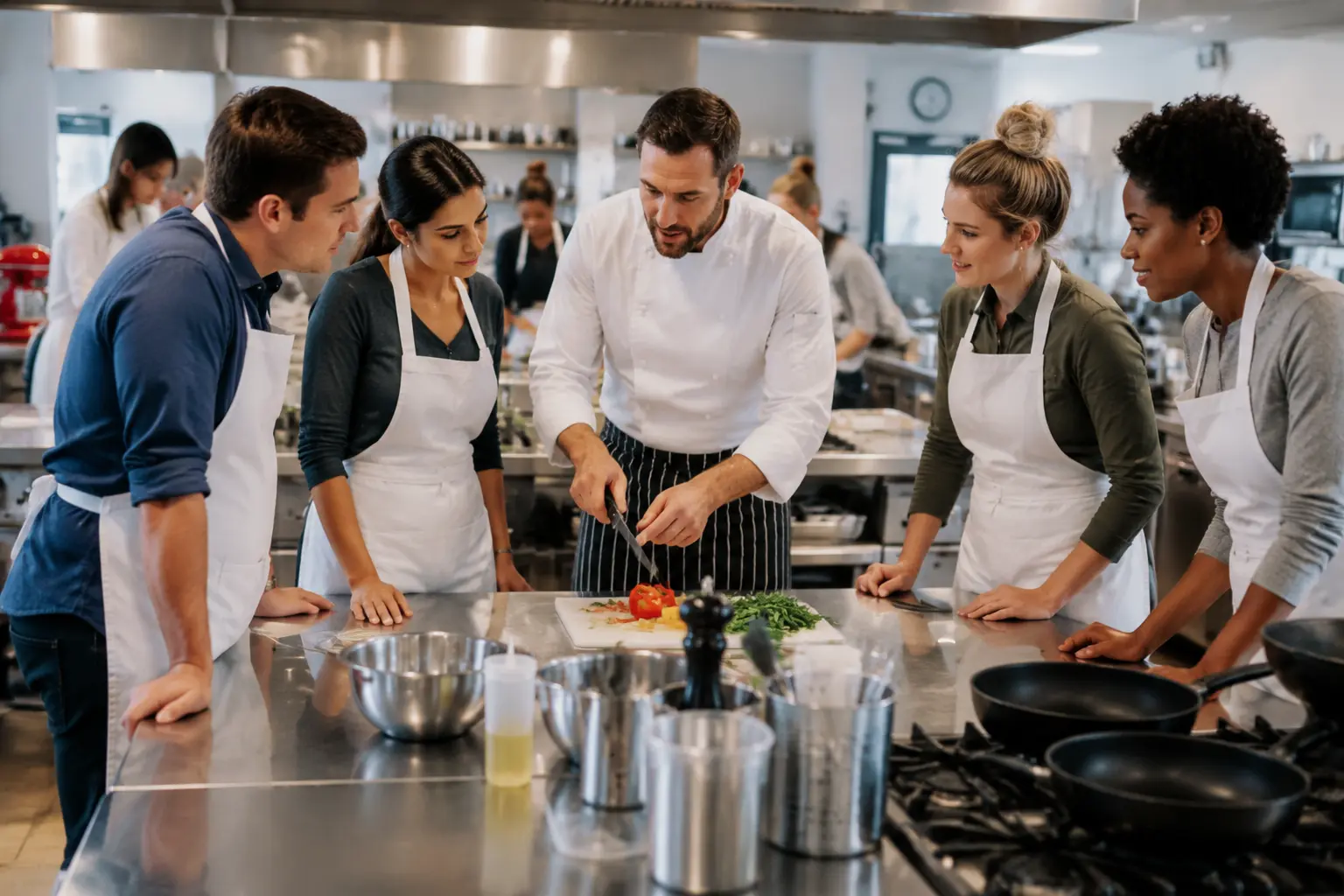
Ready to cook Italian the right way? At Fiore Restaurant, our culinary classes walk you through authentic Italian recipes hands-on, including handmade pasta and slow-cooked sauces.
Visit fiorerestaurant.net and book your spot today.