Pasta sauce not sticking usually comes down to two things: the noodles lost their surface starch, or the sauce never bonded with them. Both problems happen after the water boils, so you can fix them at home tonight.
That’s why Italian cooks pay close attention to the final minute in the pan. At Fiore Restaurant, we see that finishing step as the moment when sauce and pasta either bond or go their separate ways.
This guide covers the five habits that strip pasta of its grip, which shapes suit which sauces, and the chef’s pan method step by step. You’ll also learn how to judge sauce thickness.
Why Does Pasta Sauce Slide Off the Noodles?
A slippery plate often starts with small mistakes during cooking and draining. Some leave the noodles slick, while others cause clumping or uneven coating. These five kitchen habits explain why your sauce won’t stay on the pasta.
Rinsing Cooked Pasta Under the Tap
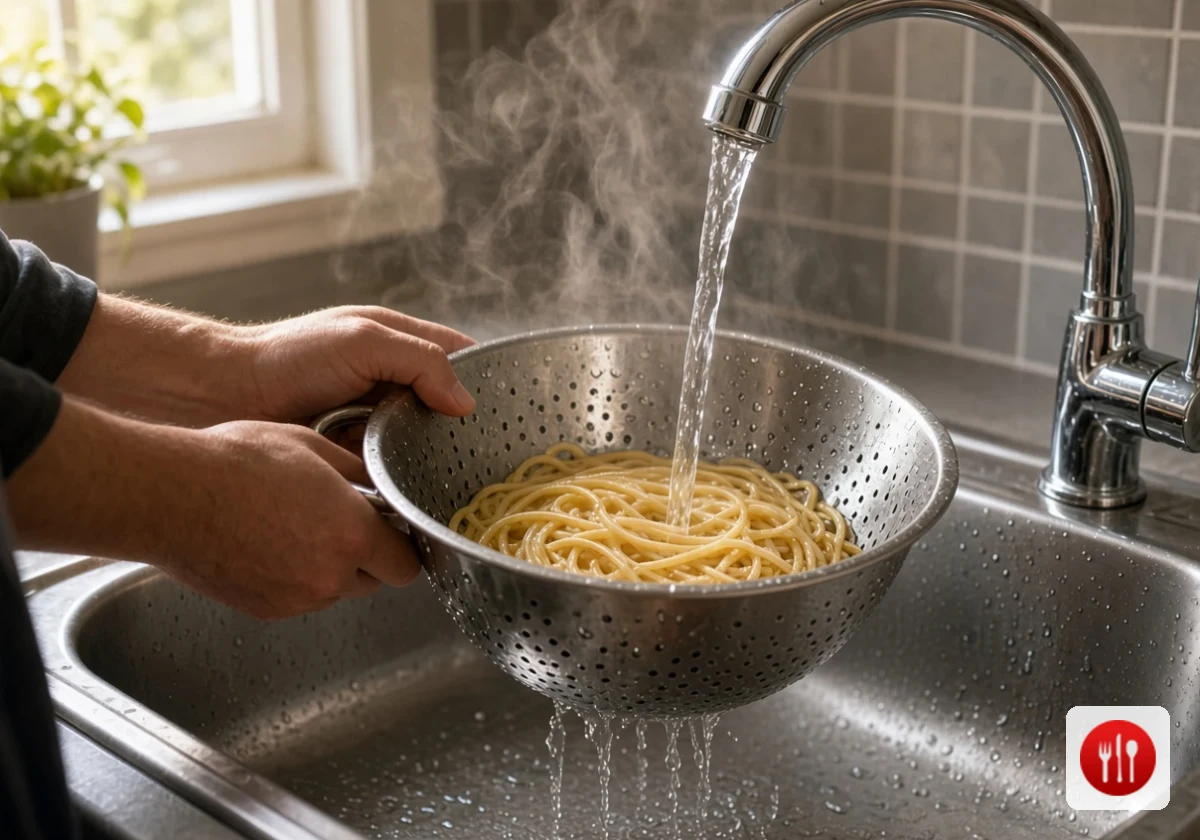
Rinsing washes away the starch film your sauce needs to hold on. Cold water also firms up the surface, so the hot sauce has a harder time coating it evenly.
That’s why you should skip the rinse for any hot dish. Keep it for cold pasta salad, where you want loose, separate strands. Even a quick rinse under the tap removes some of the surface starch, so there’s no need to wash pasta after boiling.
Instead, drain the pasta and move straight to the sauce while it’s still hot. Your noodles stay warm and slightly tacky (sticky to the touch is a good sign here).
Draining It Bone Dry and Letting It Sit
A dry colander is the second mistake. Pasta left sitting in one keeps cooking from its own heat. As the surface moisture steams off, the strands glue to each other instead of the sauce, which make them harder to separate later.
The problem gets worse as the pasta cools, since those clumps become harder to coat evenly. You end up with dry pockets next to puddles of liquid (a classic mistake on a busy weeknight at home). Pulling the strands apart at this point can also break delicate pasta shapes.
To avoid that mess, have your sauce hot and ready before you drain. Leave a little water clinging to the pasta, because that water carries starch. Then move it to the sauce without letting it sit in the colander.
Adding Oil to the Pot Water
If you add oil to the pot to keep pasta from sticking, you might be making another mistake. Oil mostly floats on the water, but some can cling to the noodles during draining. That’s a problem because, as Inverse reported in 2024, oil on pasta can stop sauce from properly sticking and coating each strand.
Most cooks add oil because they worry about noodles clumping together. But a good stir right after the pasta goes into boiling water handles that job without adding anything extra.
You should give it another stir during the first minute, when the noodles are most likely to stick. Your olive oil does more good in the sauce, where its flavor shows.
Adding Pasta Before the Sauce Thickens
We’ve all poured a pretty red sauce that pooled at the bottom of the bowl. That usually happens when the sauce contains too much water to cling to the noodles.
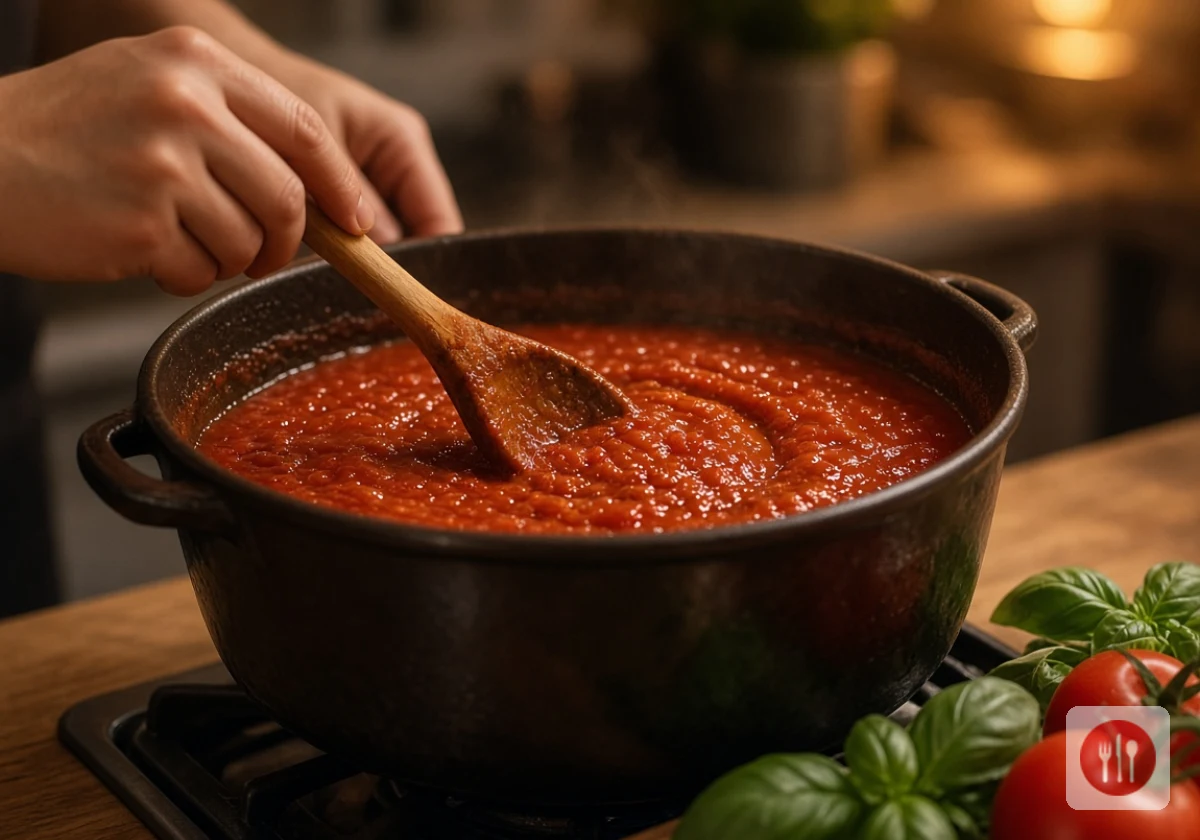
A quick spoon test tells you if the sauce needs more time. Drag a spoon across the bottom of the pan and watch how quickly the sauce fills the trail. If it rushes back immediately, the sauce hasn’t thickened enough.
In that case, let the sauce simmer a little longer and stir occasionally to prevent burning. Once it coats the back of a spoon without running straight off, it’s ready for the pasta.
Spooning Sauce Over Plated Pasta Instead of Mixing It In
A ladle of sauce on top of plain pasta only touches the top layer. The noodles underneath stay bare, and the sauce slides down to the plate.
In our kitchen, sauce and pasta always meet in the pan before they meet the plate. That way, every strand gets coated instead of leaving you with a pile of plain noodles underneath. The same approach works with jarred sauce from the grocery store. Even a quick toss in a warm skillet spreads the sauce evenly, so you don’t have to keep mixing everything on your plate.
Pasta and Sauce Pairing: Which Shapes Hold Which Sauces
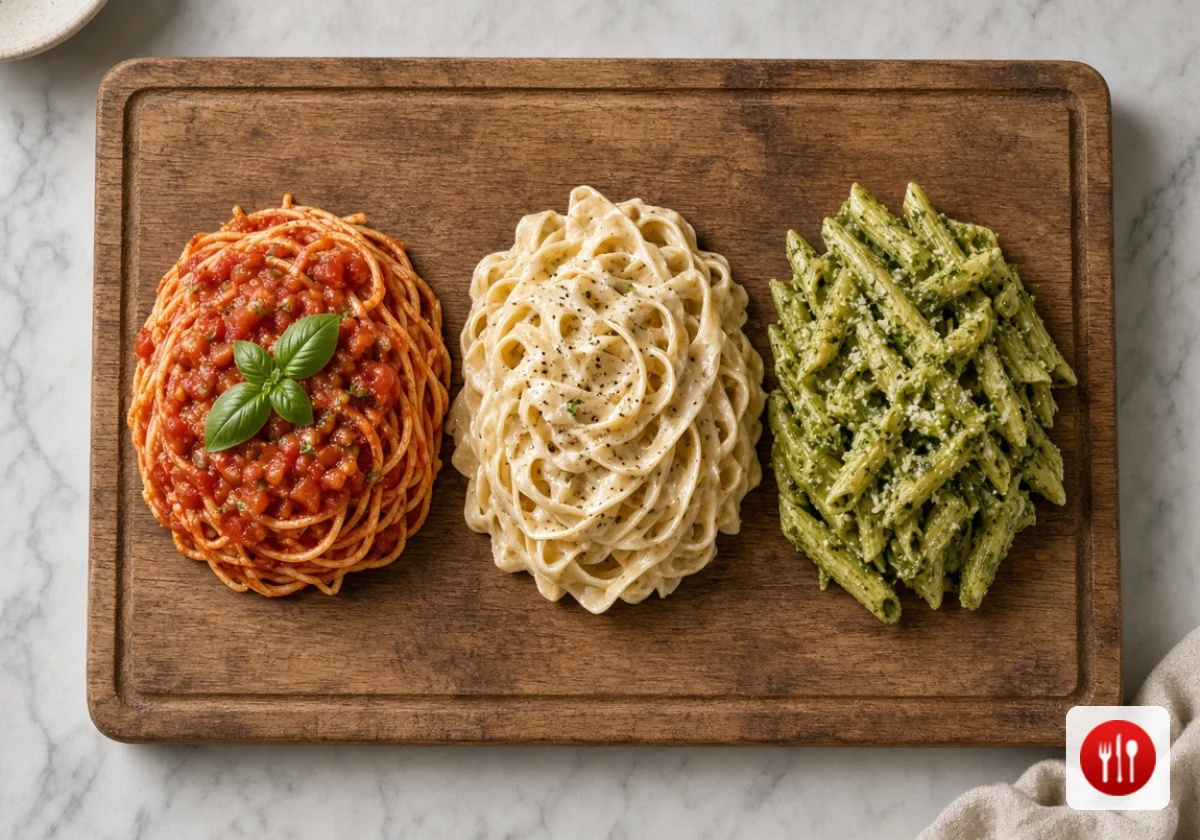
With those habits fixed, the shape you choose handles the rest. Long strands work with smooth sauces, while wider ribbons and ridged shapes accommodate thicker mixtures. The table below shows which combinations work well.
| Shape | Best Sauce | What To Do |
|---|---|---|
| Spaghetti, linguine | Oil, light tomato, carbonara | Keep sauces thin so they coat each strand |
| Fettuccine, pappardelle | Cream, butter, meat ragù | Use these wide ribbons for heavy sauces |
| Penne, rigatoni, shells | Chunky vegetable or sausage | Pick ridges and cups to trap pieces |
If you’re still fighting pasta sauce not sticking with a well-made sauce, check the shape before changing the recipe. A chunky ragù on thin spaghetti won’t cling as easily because the noodles lack ridges or hollows to hold the meat and vegetables.
Finishing Pasta in the Pan the Way Italian Chefs Actually Do
With the right shape picked, the finishing method does the rest of the work. Knowing how to coat pasta with sauce like Italian chefs means combining starchy water, heat and quick tossing. These elements bring the sauce and noodles together in one glossy layer. Our Italian cooking tips cover more of the pan basics behind it.
Work through these five steps in order the next time you cook.
Step 1: Pull the Pasta One Minute Before the Package Says
Pasta keeps cooking after you drain it, especially when you add it to hot sauce. Pulling it one minute early gives the noodles time to finish without becoming mushy. You should look for a firm bite with no raw, chalky center. This slight firmness leaves room for the final cooking stage, when the noodles absorb some sauce and its flavor.
Shapes and brands cook differently, so taste a strand before draining. If the centre still feels too hard, cook it for another 30 seconds.
Step 2: Save a Cup of the Cloudy Cooking Water
Cloudy cooking water contains starch released by the pasta as it boils. That starch helps the sauce combine with the water and fat, creating a smooth coating.
Before draining the pasta, scoop out about a cup of cooking water with a mug. It’s easy to forget once the colander comes out (plenty of home cooks pour it down the sink). So keep the mug beside the stove until you’re ready to finish the pasta.
Add a small splash of this water when you toss the pasta with the sauce. If the sauce looks thick or dry, add another splash and toss again. Stop when the sauce coats the noodles smoothly without pooling at the bottom.
Step 3: Move the Drained Pasta Straight Into the Sauce Pan
Hot, damp pasta grabs sauce more easily than cooled pasta. That’s why you should use tongs or a spider strainer to lift it straight from the pot into the simmering sauce. As you transfer the noodles, some starchy cooking water clings to them. That moisture helps the sauce coat the pasta and keeps the strands from drying out.
Timing counts here, too. Have the sauce simmering before you drain the pasta, since a long wait lets the noodles cool and stick together. They’ll be harder to coat evenly once they clump.
Step 4: Toss Hard Over Heat Until the Sauce Turns Glossy
Tossing pasta over medium heat blends starch, fat and water into an emulsion. An emulsion is a smooth mixture of liquids that normally separate, like oil and water. This gives the sauce a creamy texture without adding cream.
Keep the pan moving as you toss the noodles through the sauce. Add reserved pasta water in small splashes if the mixture looks too thick. Our cooks watch for the moment the sauce stops looking watery and starts coating the noodles evenly.
The sauce should look glossy, with no puddles collecting at the bottom of the pan. Once it reaches that consistency, take the pan off the heat before moving to the final step.
Step 5: Add Cheese or Butter Off the Heat So It Melts Smoothly
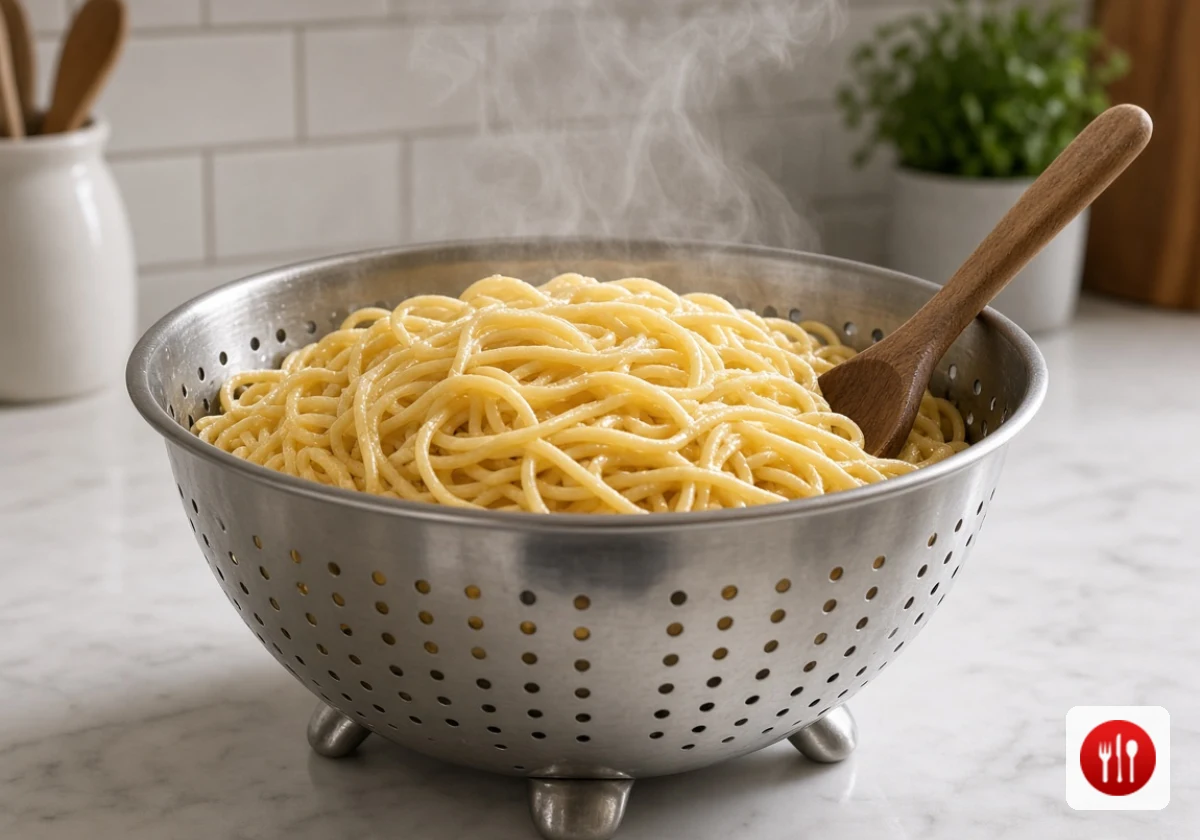
High heat makes cheese seize into rubbery clumps and splits butter into grease. Taking the pan off the burner gives both ingredients a chance to melt gently into the sauce.
Slide the pan aside for a few seconds before adding grated Parmigiano or cold butter. Stir gently, then toss the pasta until the cheese melts and the sauce looks smooth.
You’ll notice the difference on the first try. The same trick works when finishing homemade mac and cheese, where gentle heat helps prevent a greasy, separated sauce.
Pasta Sauce Consistency Decides Whether the Coat Holds or Runs
Even after a perfect toss, pasta sauce consistency decides how much sauce stays on each strand. Physics Today explained in 2026 that starch from boiled pasta helps stabilise the sauce by keeping fat and water blended.
As you cook, three signs tell you where your sauce stands:
- Too Thin and Watery: Liquid pools at the bottom of the bowl soon after plating. The sauce hasn’t reduced enough to cling to the noodles. A little more cooking can help it thicken.
- Thick and Pasty: Gluey, stiff sauce means the starch has taken over. The noodles start sticking together, and the sauce loses its smooth texture. Add a splash of reserved pasta water and toss again to loosen the mixture back to a glossy coat.
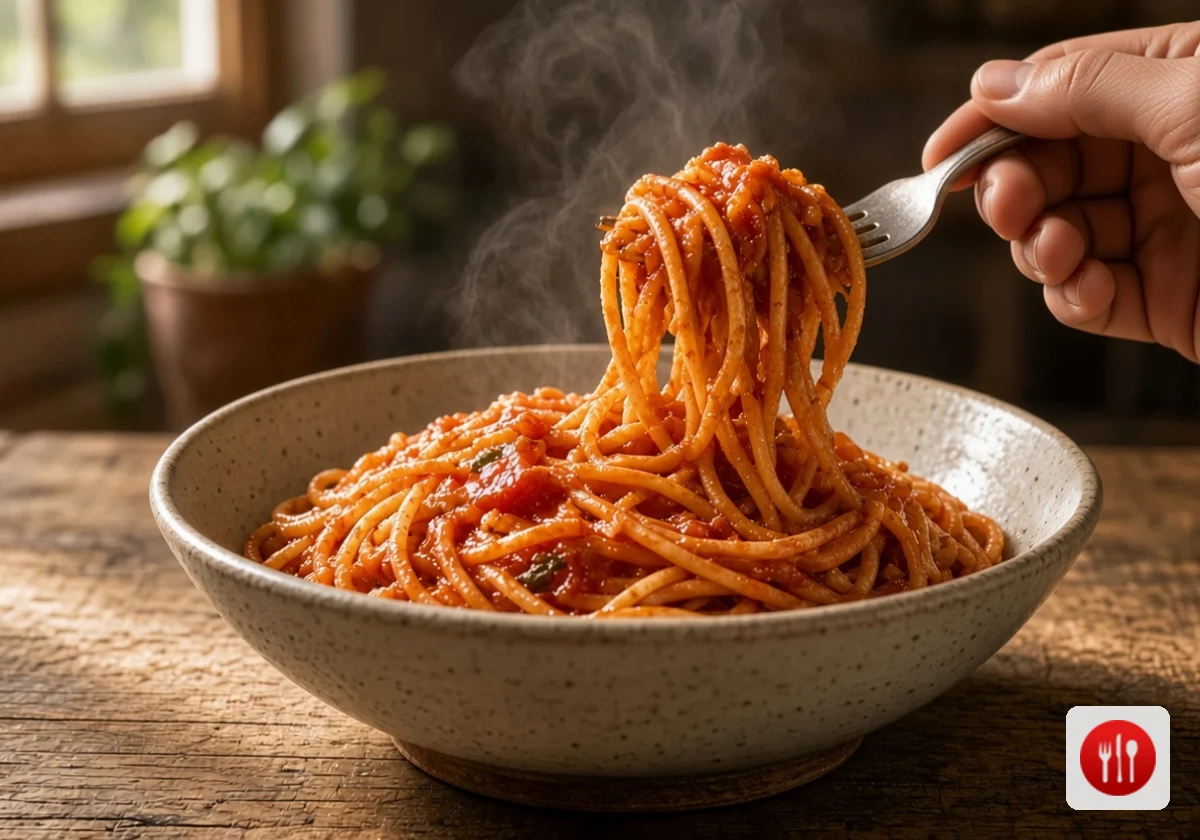
- Glossy and Clinging: When the sauce coats each strand and leaves a thin trail on the plate, you’ve hit the target. Serve it right away, because the sauce thickens as the pasta sits.
Don’t rely on a fixed cooking time to judge the final texture. Pasta continues absorbing moisture after plating, so serve it while the sauce still coats the noodles evenly.
Make Tonight’s Pasta the Last One That Comes Apart on the Fork
A good pasta dinner doesn’t need complicated ingredients or restaurant equipment. Paying attention to timing, sauce consistency and the pasta shape gives you more control over the final dish.
Try these techniques with your favorite pasta and sauce combination. You’ll have a clearer idea of what works in your own kitchen and which adjustments your next dish needs.
Fiore Restaurant shares Italian cooking guidance for home cooks who want restaurant-style pasta. Contact Fiore Restaurant to ask about our classes and sharpen your pasta technique.