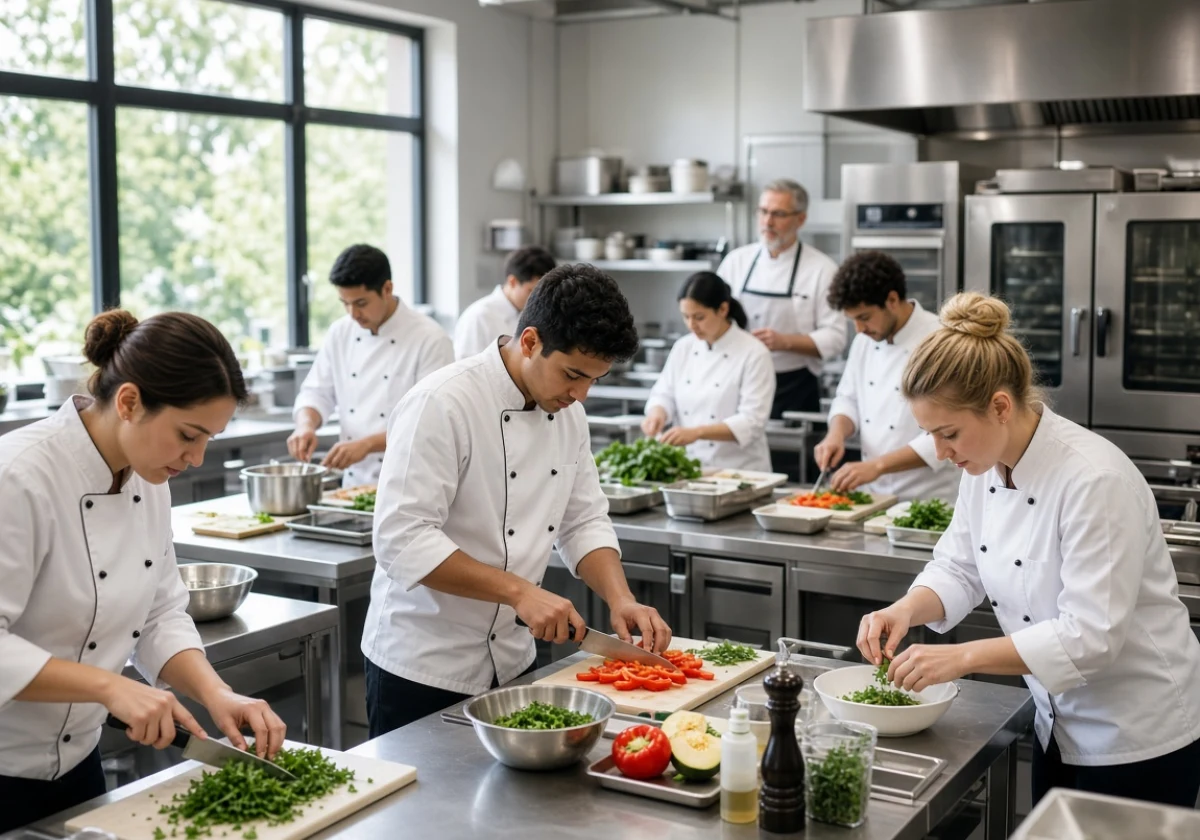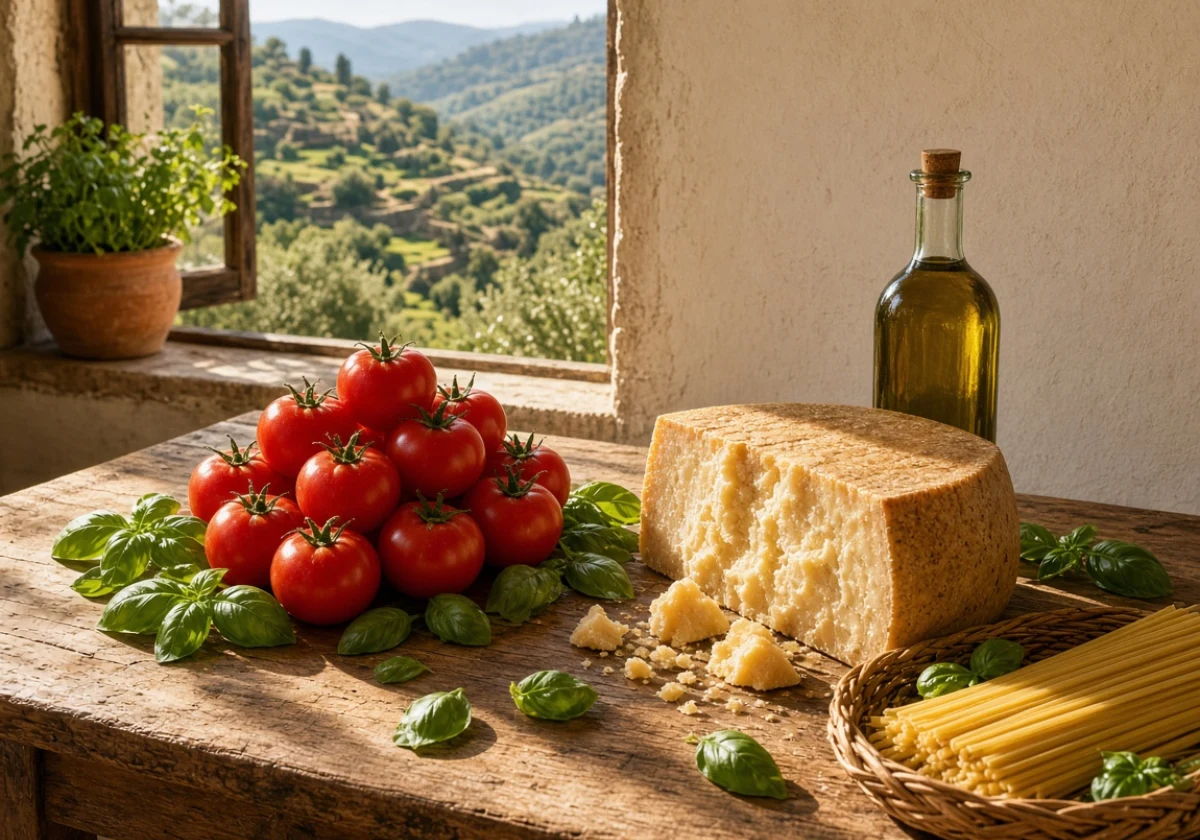
A simple bowl of pasta often tastes better than a dish with twice as many ingredients. The difference usually comes down to preparation. Italian cooking relies on the right ingredients, techniques that suit the dish, and traditions that vary from one region to another.
Take pasta, for example. You can cook it perfectly and still end up with a disappointing meal if you drown it in sauce. Get the balance right, though, and a handful of ingredients can make a memorable dish.
The challenging part is knowing what to get right. In this guide, we’ll break down the ingredients, cooking techniques, and regional traditions behind authentic Italian dishes.
What Makes Italian Cooking Authentic?
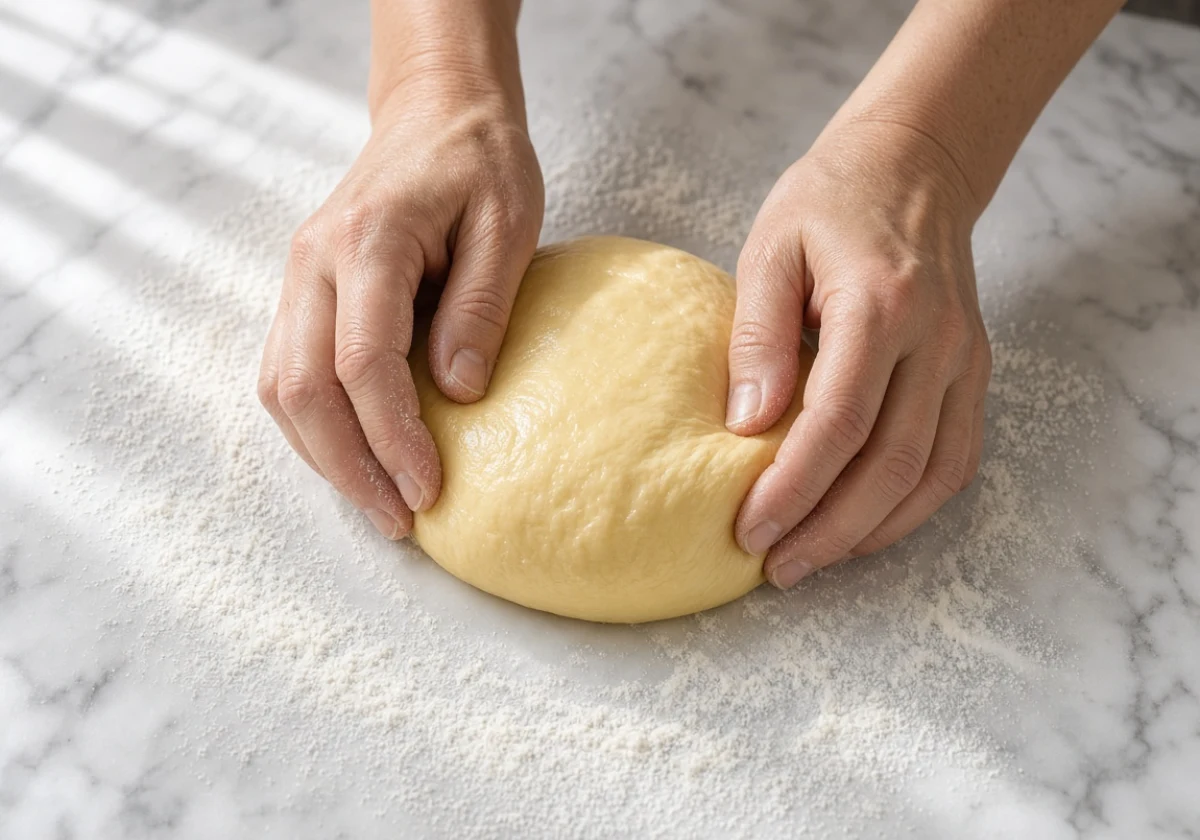
Regional traditions, local ingredients and preparation methods vary so widely across Italy that two cooks making the same dish in different provinces can produce meals that taste nothing alike.
Take Sicily, where seafood, citrus, and eggplant feature prominently in many dishes. Travel north to Emilia-Romagna, and you’ll find fresh egg pasta, Parmigiano-Reggiano, and slow-cooked ragù. These ingredients are part of the way each region has developed its own cooking traditions.
Family recipes also pass these practices from one generation to the next. A cook might know exactly when a sauce needs another few minutes on the stove or when pasta is ready, even without checking a timer. Those decisions come from experience, and they can be difficult to capture in a written recipe.
Italian-American cooking shows how recipes can change as people adapt to new surroundings. Italian immigrants adapted their recipes to the ingredients available in the United States, creating dishes that developed their own character. Spaghetti and meatballs, for instance, became a familiar combination in Italian-American cuisine, even though it isn’t a defining pairing in Italy.
When cooking at home, start by understanding the dish you are making. Its regional origins can tell you which ingredients belong in it, how it’s traditionally prepared, and which shortcuts might change the result.
Choose Ingredients That Let the Dish Speak for Itself
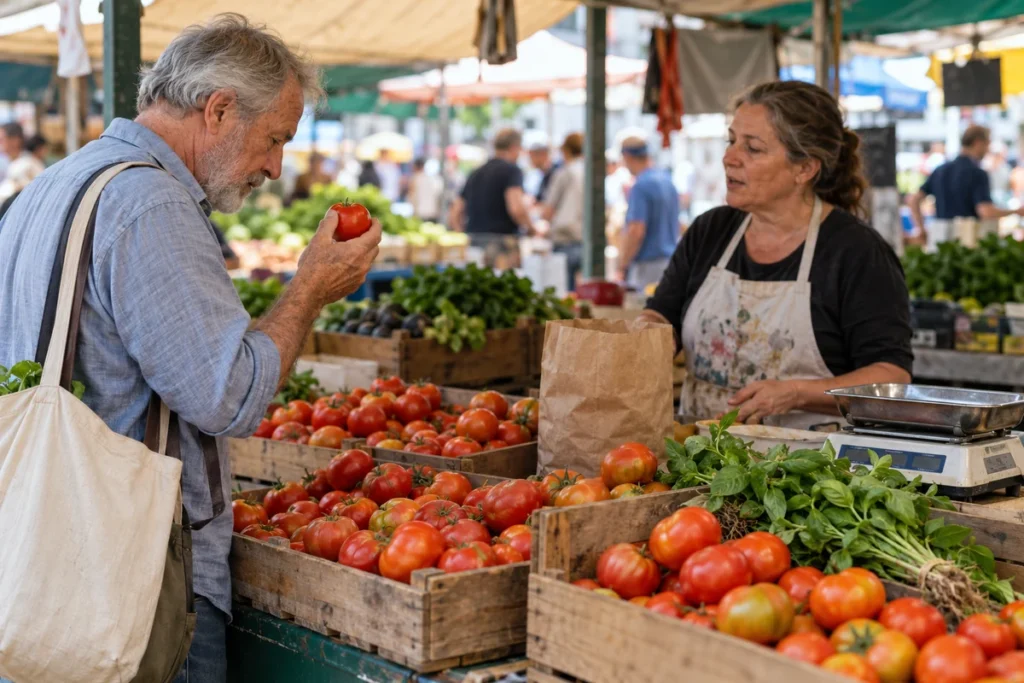
Once you understand a dish, choosing what to use becomes easier. You don’t need to fill your kitchen with expensive specialty products. Instead, focus on the few items that have the greatest effect on the finished meal.
Three ingredients do the most work across Italian cooking, and each one rewards a small upgrade:
- Extra-virgin olive oil: Use a fresh, good-quality oil when its flavor will stand out, such as in a simple tomato sauce or a dressing. Look for a harvest date when available, and store the bottle away from heat and light to preserve its flavor.
- Tomatoes: For sauces, canned whole tomatoes are a reliable option, particularly when fresh tomatoes are out of season. San Marzano is one traditional variety, though the way you cook the sauce matters as much as the tin you open. Crush them by hand rather than blending for a chunkier texture, or pass them through a food mill for something smoother.
- Cheese: Buy a block of Parmigiano-Reggiano or Pecorino Romano and grate it when needed. Freshly grated cheese is especially useful in dishes such as carbonara and cacio e pepe, where it helps create the sauce rather than simply topping the finished plate.
Notice what these ingredients have in common. Each ingredient has a specific job, and its flavour stands out when the recipe keeps the list short. That means choosing ingredients that suit the dish and handling them well.
Master the Techniques Behind Pasta and Risotto
Pasta and risotto are good examples of how small decisions can change a dish. Both rely on a few basic ingredients, but each needs a different approach. Pasta benefits from careful timing and a well-finished sauce, while risotto requires attention as the rice absorbs the broth.
Cook Pasta Until It’s Ready for the Sauce
Have you ever followed the cooking time on a pasta packet, drained the noodles, and then added sauce on top? It’s a common approach that can work, but you may miss an opportunity to bring the dish together.
For dried pasta, start tasting a minute or two before the packet’s suggested cooking time ends. You’re looking for pasta that’s tender but still slightly firm in the centre, known as al dente. It will continue cooking when you transfer it to a hot pan with the sauce.
Before you drain, reserve a cup of the cooking water. The cloudy liquid contains starch released during cooking, which helps the sauce cling to the pasta. Add a splash as you toss the pasta with the sauce, adjusting until everything coats the noodles evenly.
Fresh pasta needs a different approach. Its cooking time depends on the shape, thickness, and dough, so it can cook much faster than dried pasta. Start checking early rather than assuming the same timing works for both.
Here’s the principal: don’t treat pasta as something you cook separately and forget about. Pay attention to its texture, then finish it with the sauce so the two work together.
Give Risotto the Attention It Needs
To make a good risotto, you need patience. The rice must absorb the broth gradually while releasing starch, which gives the finished dish its creamy consistency. Add the broth too quickly, and you risk missing the texture that makes risotto special.
So the first thing you should do is pick the right rice. Carnaroli is a reliable choice. Its high starch content creates the creamy texture risotto needs while keeping the grains intact. Arborio works too, though it softens a little faster.
If the recipe calls for white wine, add it next and let the rice absorb it. Then add hot broth one ladle at a time, stirring regularly and allowing most of the liquid to absorb before adding more. This gradual process helps the rice cook evenly and thicken the liquid around it.
And keep tasting as you cook. The grains should be tender but retain a slight bite, rather than turning mushy. Add more broth whenever the rice needs it, and stop cooking once the grains reach the right texture.
Risotto alla Milanese, the saffron-scented rice dish associated with Milan, is a good example of this approach. Rice, broth, saffron, butter and Parmigiano are all it takes. The technique does the rest.
Pizza and Classic Sauces Need the Right Technique As Well
You can follow a pizza recipe to the letter and still struggle to get that crisp, lightly charred crust you love from an Italian pizzeria. The problem might not be your dough at all.
Take Neapolitan pizza, for example. It’s traditionally baked in a wood-fired oven at around 485°C for just 60 seconds, according to a study of Neapolitan pizza. Most home ovens can’t reach that temperature. But a pizza stone or steel, thoroughly preheated at your oven’s highest setting, can help the base cook more effectively.
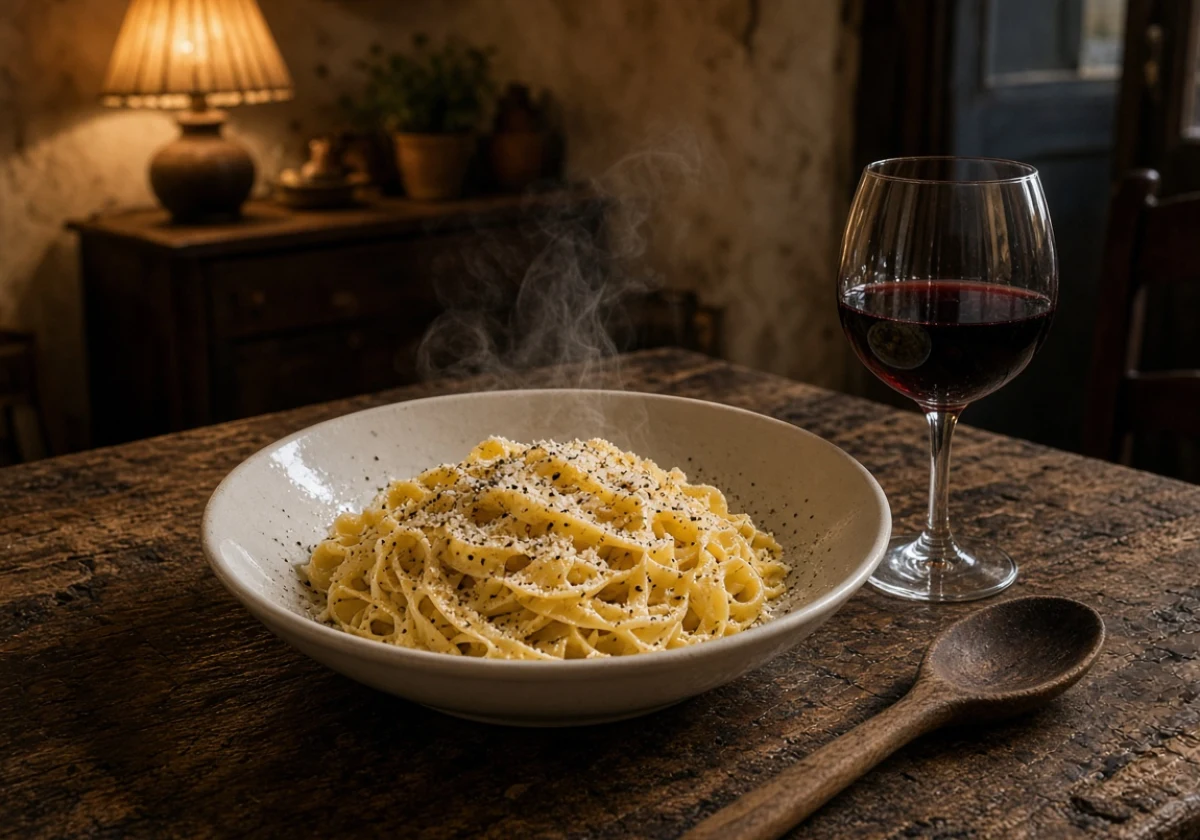
Carbonara requires a different kind of control. You want enough heat to bring the eggs, cheese, and starchy pasta water together into a creamy sauce, but too much heat scrambles the eggs. That’s why cooks often toss the ingredients together off the heat, using the warmth of the freshly cooked pasta to help form a smooth coating. The traditional Roman recipe gets its richness from eggs, hard cheese, and guanciale, not cream.
Tomato sauce calls for yet another approach. Rather than relying on intense heat or constant stirring, let good tomatoes, olive oil, and basil develop their flavor over a gentle simmer.
You don’t necessarily need hours on the stove, either. Cooking time depends on the tomatoes and the result you’re after, so taste as you go and stop when the sauce reaches the consistency you want. A quick sauce from canned whole tomatoes needs 20 to 30 minutes. If the tomatoes taste sharp after that, a pinch of sugar balances the acidity without sweetening the sauce.
As you can see, each dish gives you a different problem to solve. Pizza needs enough heat to develop its crust, while carbonara needs careful temperature control to keep its sauce smooth. And tomato sauce needs time to develop flavor without losing the freshness of its ingredients.
Once you understand what each dish needs, you can adjust your technique instead of blindly following a recipe.
Bring the Authentic Flavors of Italy to Your Own Kitchen
Now you know what goes into making authentic Italian food. Pick one dish this week and try preparing it yourself. You might be surprised by how much difference a few small changes can make.
And if you’d rather leave the cooking to the experts, Fiore Restaurant serves regional Italian dishes that bring these traditions to your table. Contact us to book a table and experience authentic Italian flavors for yourself.