Culinary arts programs teach the method behind each recipe, not just the steps. Italian cuisine rewards that training because its simple dishes expose every decision a cook makes.
That understanding rarely arrives on its own, though. At Fiore Restaurant, we’ve watched guests taste a familiar dish in a new way after cooking it once themselves. This guide covers what culinary arts programs teach past the recipe and why Italian food rewards a trained palate. You’ll also see how online study compares with classroom sessions and what changes at your own stove.
Culinary Education Builds Food Knowledge That Recipes Alone Can’t Teach
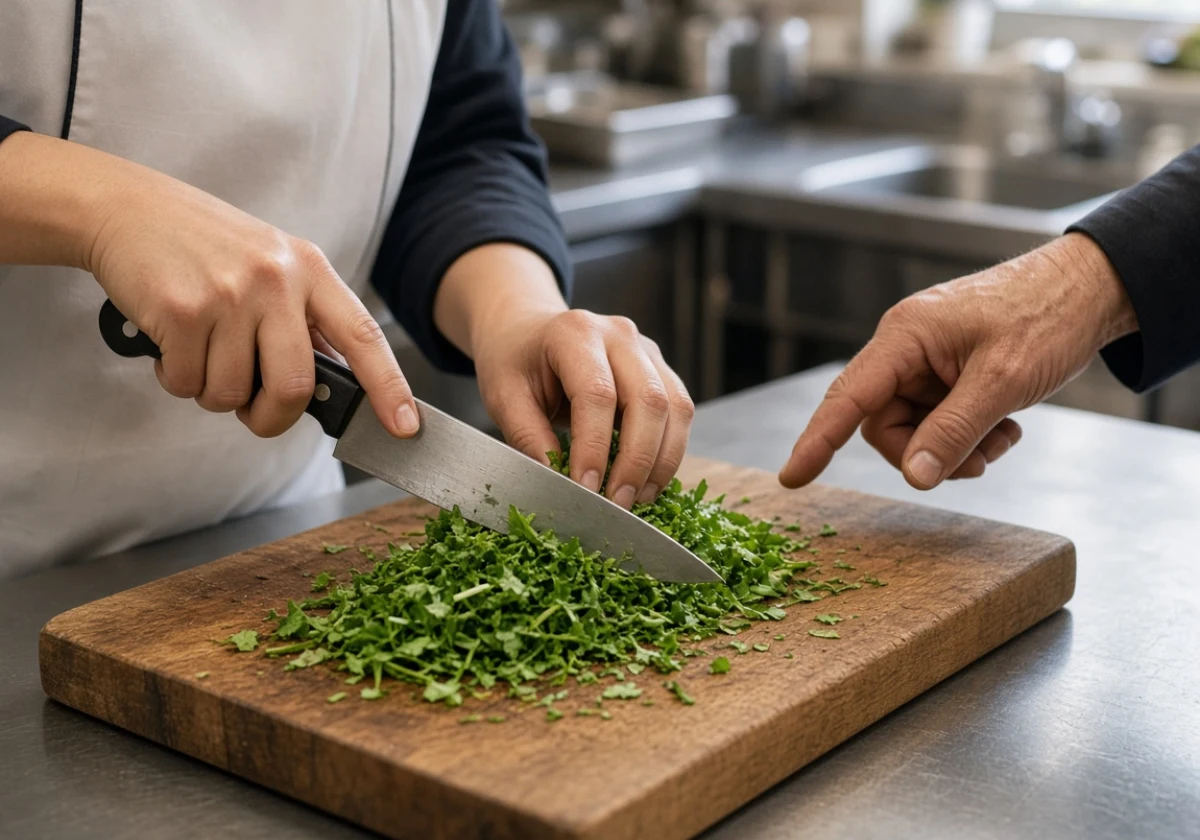
Most home cooks follow recipes for years without ever learning why a dish works. A culinary education teaches the rules underneath the steps. Once you know those rules, you can cook well without written instructions.
What Do Culinary Arts Programs Teach Beyond the Recipe?
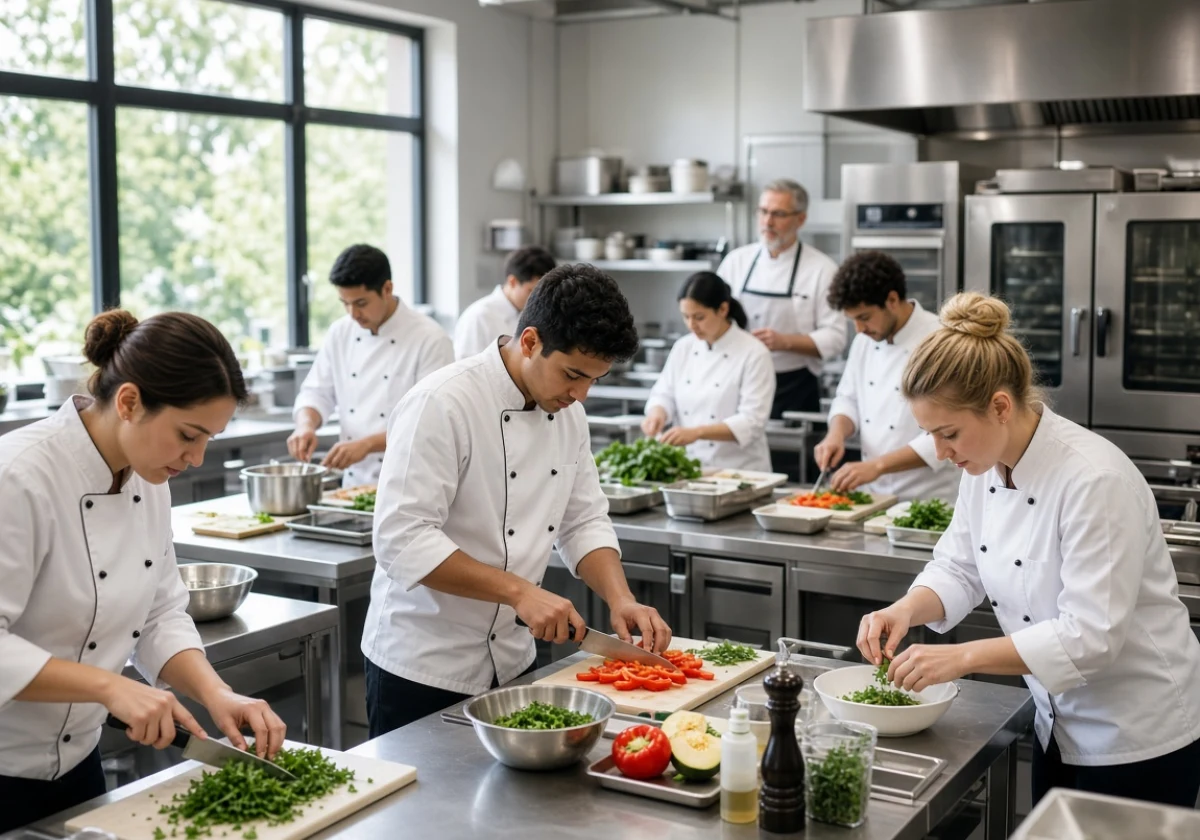
Culinary arts programs teach method first: food preparation basics like heat control, knife skills, and seasoning order. A recipe gives you one dinner, and a method gives you hundreds.
From there, each program splits into tracks, and every track drills its own cooking methods and culinary techniques. Formal training splits into tracks such as pastry, international cuisine, plant-based cooking, or restaurant line work. Pick the one closest to how you already cook, since the method transfers across all of them.
Pastry students learn dough timing on the path to pastry chef roles. Line cooks aiming for sous chef jobs learn to manage several burners at once.
Most culinary professionals build the same habit: repeating a technique until the result stops changing. That’s why hands-on skills training fills so much of the schedule. Those repeated hours pay off outside the kitchen as well. A systematic review on cooking skills links stronger kitchen ability and more frequent cooking to better diet quality in adults.
How Cooking Skills Sharpen the Way You Taste
You learn what caused each flavour on the plate. Instead of calling a dish good, you notice the salt level, the acid, and how far the cook pushed the browning.
Hands-on cooking classes make this clear within minutes. You taste one sauce, add a pinch of salt, and taste it again. In our own sessions, even students who have never cooked before notice the change by the second try. The room usually goes quiet at that exact moment (a sign the lesson has landed).
Once your palate learns these cues, restaurant meals start to feel different too. You’ll catch yourself guessing the pan temperature from the color of a crust or naming the acid an executive chef chose for a dressing.
Why Does Italian Cuisine Reward an Educated Palate?
Simple dishes depend on technique, ingredient quality and regional tradition. Each plate carries so few parts that every choice shows. Three traits explain where a trained palate notices the difference.
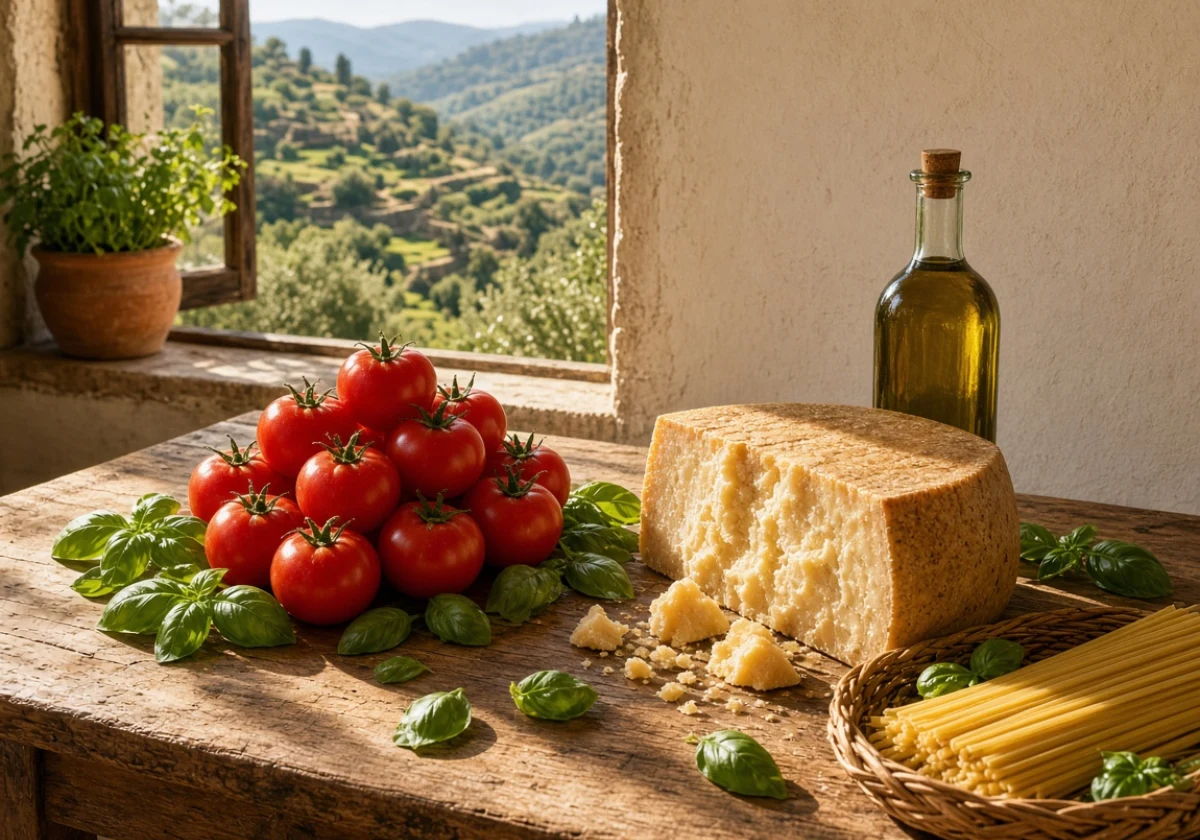
- Short Ingredient Lists: A three-ingredient sauce exposes every component. Buy a bland, off-season tomato and the whole dish tastes flat. At the store, look for tinned whole San Marzano tomatoes and test them against a supermarket house brand. The difference shows up in one spoonful.
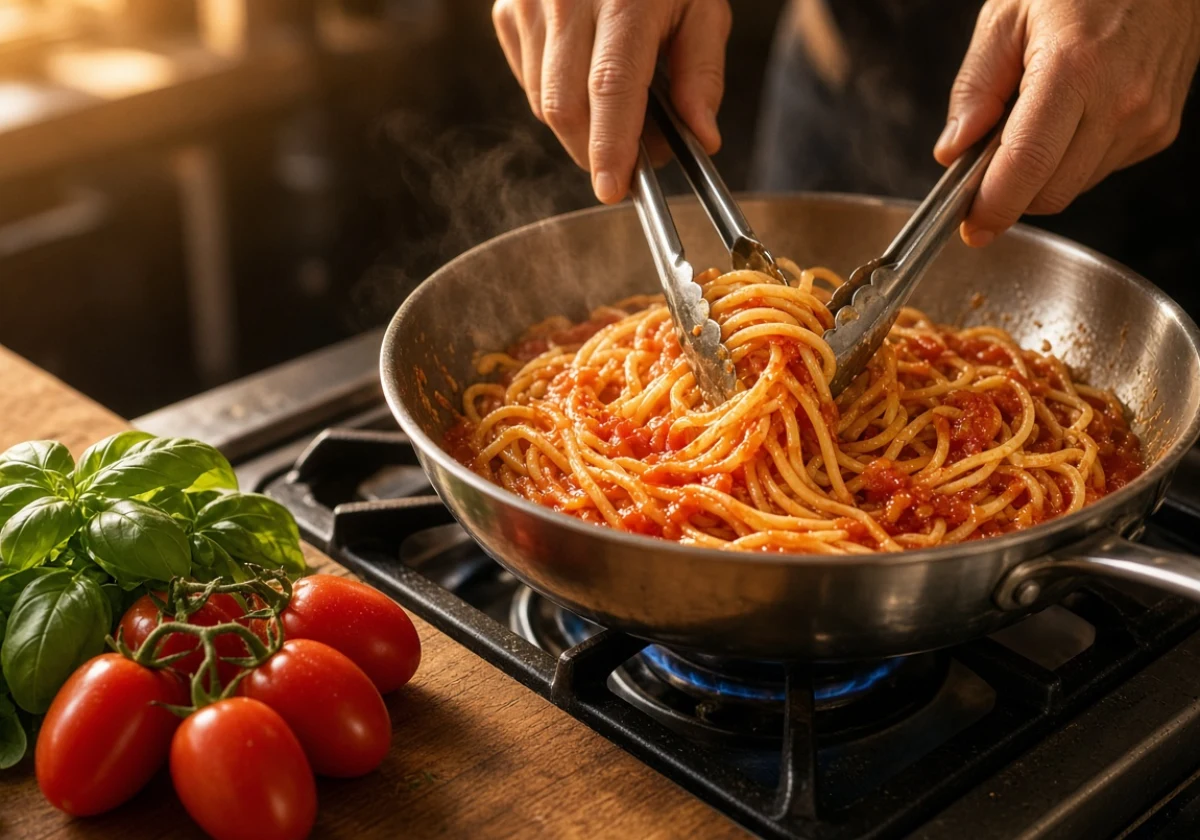
- Technique Over Equipment: Starchy pasta water and a fast toss in the pan build a sauce that coats every strand. Reserve a cup of cooking water before draining, then add it a splash at a time while tossing the pasta with the sauce over medium heat. Skip that step, and the same ingredients slide to the bottom of the bowl.
- Regional Tradition: Northern cooks tend to build on butter and rice, while southern kitchens rely on extra-virgin olive oil. Harvard researchers on olive oil credit its unrefined state for its place in the Mediterranean diet. That same oil gives southern dishes their peppery, fruity finish.
Put together, these traits explain why identical ingredients land so differently in two kitchens. Once you study the tradition behind a dish, its simplicity starts to look like skill.
Comparing Online Culinary Training With Cooking School Classes
Busy schedules stop many home cooks from joining a weekly class. Online culinary training lets you build real technique around work and family. Online programs range from a short certification program to a full diploma. A few also add hospitality training for people headed into restaurant work.
Most training programs teach the same core methods in both formats. Your choice depends on how you learn best.
| Feature | Online culinary arts | In-person cooking school |
|---|---|---|
| Practice | You cook alone and self-check | An instructor corrects your grip on the spot |
| Pace | Work through modules at your own speed | Fixed schedule, usually one session per week |
| Materials | Videos stay inside your login, all rights reserved | Printed recipes go home with you |
Online learning wins on flexibility, and hands-on training wins on feedback. An online cooking course or an online baking course relies on video. That format covers cooking and baking basics well, but no camera can taste your food. Many students pair distance learning with a monthly in-person class. Learning online fills the weeks between sessions, and the instructor checks the results in person.
Before the payoff at home comes one choice: where to study.
Everyday Payoffs: How Food Knowledge Changes Meals at Home
Wherever you study, the first change happens at the store. Labels start to look different. You check what each ingredient does in a dish and ignore the claims on the package. You also end up buying fewer things.
From there, the weekly cost of dinner often starts to drop. A trained cook can stretch one roast chicken into dinner, a pot of stock, and a second meal. That comes from practice, and it needs no extra items on the shopping list. Cooking at home puts you in control of the salt, the fat and the portion size. Many cooks notice the lower grocery bill first, and the better meals follow soon after.
Our cooks see the same shift in guests who take a class with us: they stop measuring everything and start tasting as they go. This one habit saves more dinners than most new cookware (and it costs nothing beyond close attention while you cook).
Take the First Step Toward Your Own Culinary Education
Food knowledge changes what you notice, both at your own stove and at a restaurant table. Every technique you learn adds one more detail you can taste on purpose.
You don’t need a four-year degree to get started, either. One class on a single sauce can teach you more than weeks of scrolling through recipes.
Fiore Restaurant teaches the technique behind our Italian dishes to cooks at every level. Contact us to ask about class dates and to pick the right starting point.