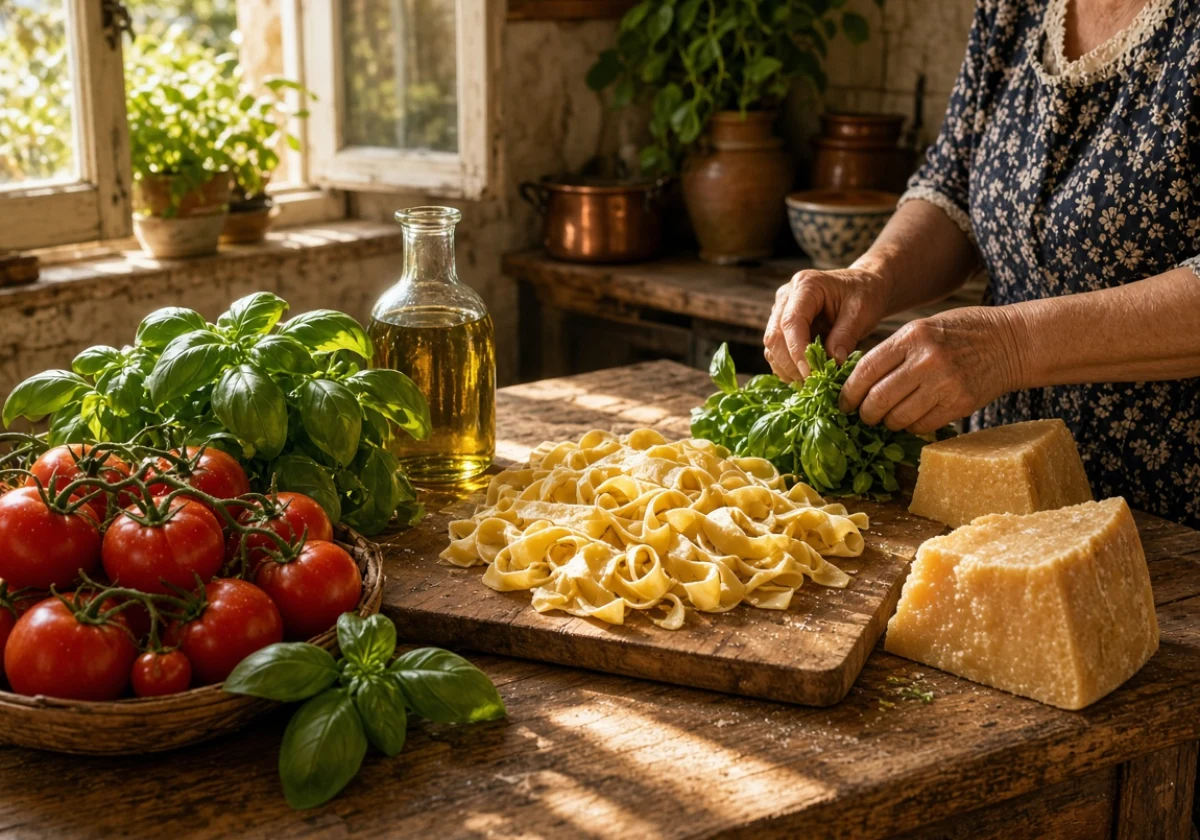
Italian food traditions rest on three habits: seasonal produce, regional recipes, and long shared meals.
Many diners meet these culinary traditions far from Italy through menus at places like Fiore Restaurant rather than through travel. A menu lists the dishes, but it rarely explains the history of Italian cuisine behind each course.
This guide covers how Italian cuisine changes region by region and why Italian food culture still guides restaurant dining. It also explains which wines suit which ingredients and what a full Italian meal looks like from start to finish.
Regional Culinary Traditions: How Italian Regions Shape What You Eat
There’s no single Italian cuisine, only 20 regions that each defend their own version. That regional diversity grew out of geography, since mountains, coastline, and climate decide what farmers can grow. Trade added another layer. Arab traders brought citrus and rice to Sicily, and Spanish ships carried tomatoes from the Americas. Those cultural influences remain visible today in Sicilian arancini and the tomato sauces of Naples.
Three areas show the contrast most clearly: Northern Italy, Tuscany in Central Italy, and Southern Italy. Start at the Alps and work south.
Northern Italy: Butter, Risotto, and Alpine Cheese
Northern Italy’s regional cuisine runs on butter and rice because cool, wet plains suit dairy herds and rice paddies better than olive groves. Liguria and the shores of Lake Garda are exceptions, since both produce their own olive oil. Risotto alla Milanese, stirred with saffron and stock, comes straight out of the Po Valley’s rice fields.
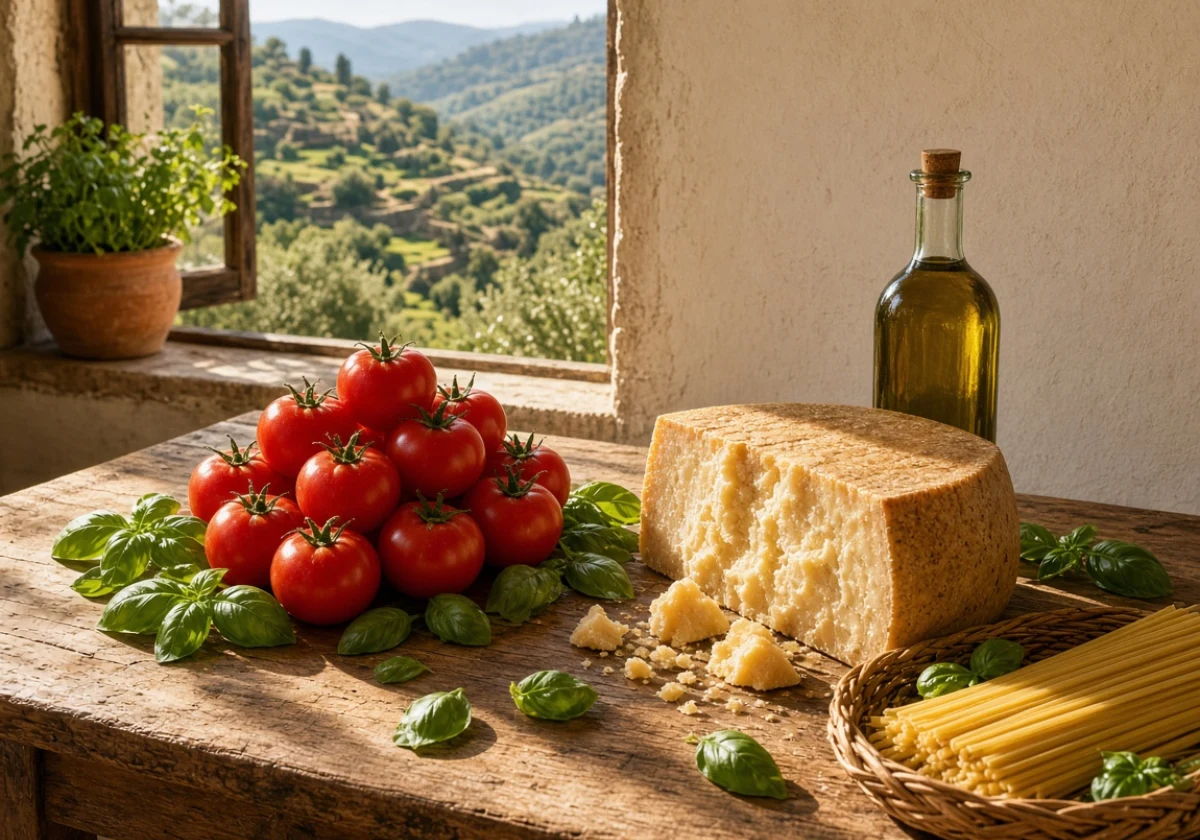
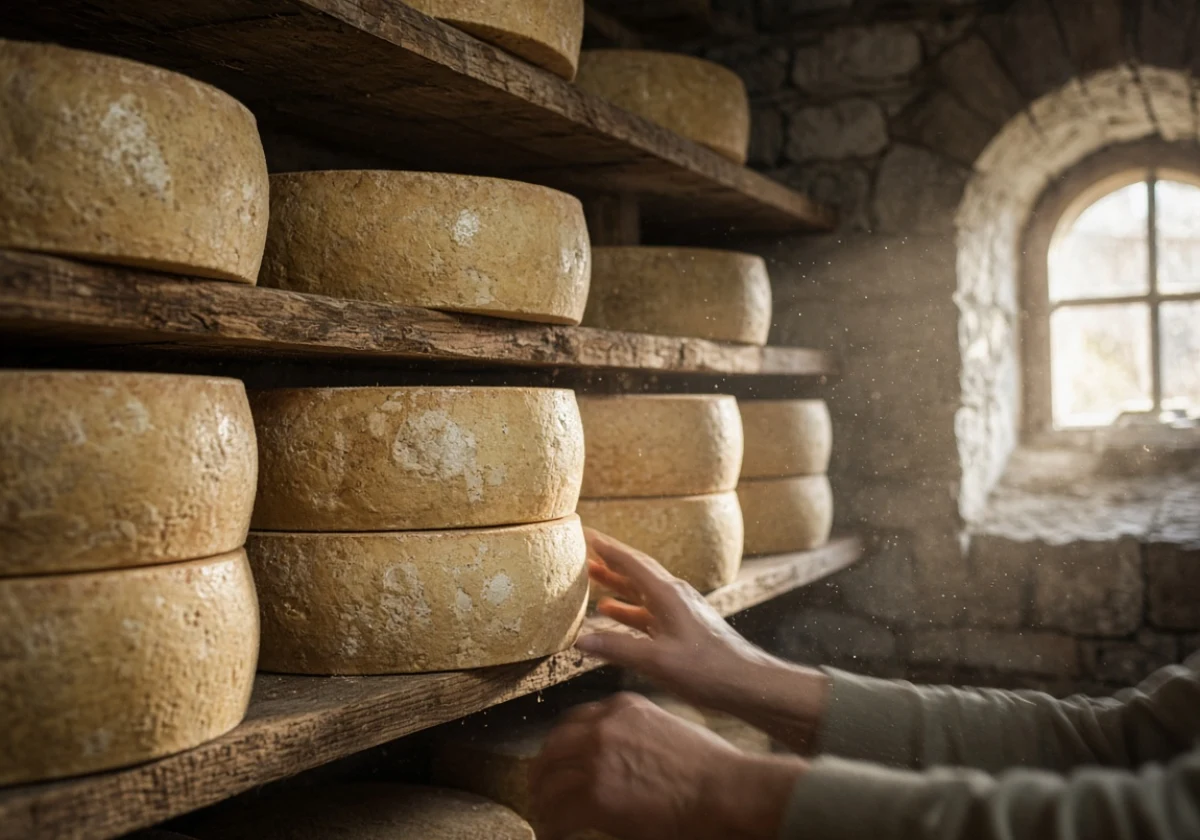
Cheese follows the same logic, because mountain pastures feed cows all summer. Fontina comes from the Aosta Valley and melts into fonduta, a warm cheese sauce. Further south, Emilia Romagna produces Parmigiano Reggiano on its plains and ages it for at least a year. The same region also makes traditional balsamic vinegar aged for at least 12 years in wooden barrels.
Butter, cheese, and rice explain why menus in Milan or Turin lean rich and creamy. Filled pasta dishes like tortellini and soft polenta complete the northern style.
Why Southern Italy Leans on Olive Oil and Tomatoes
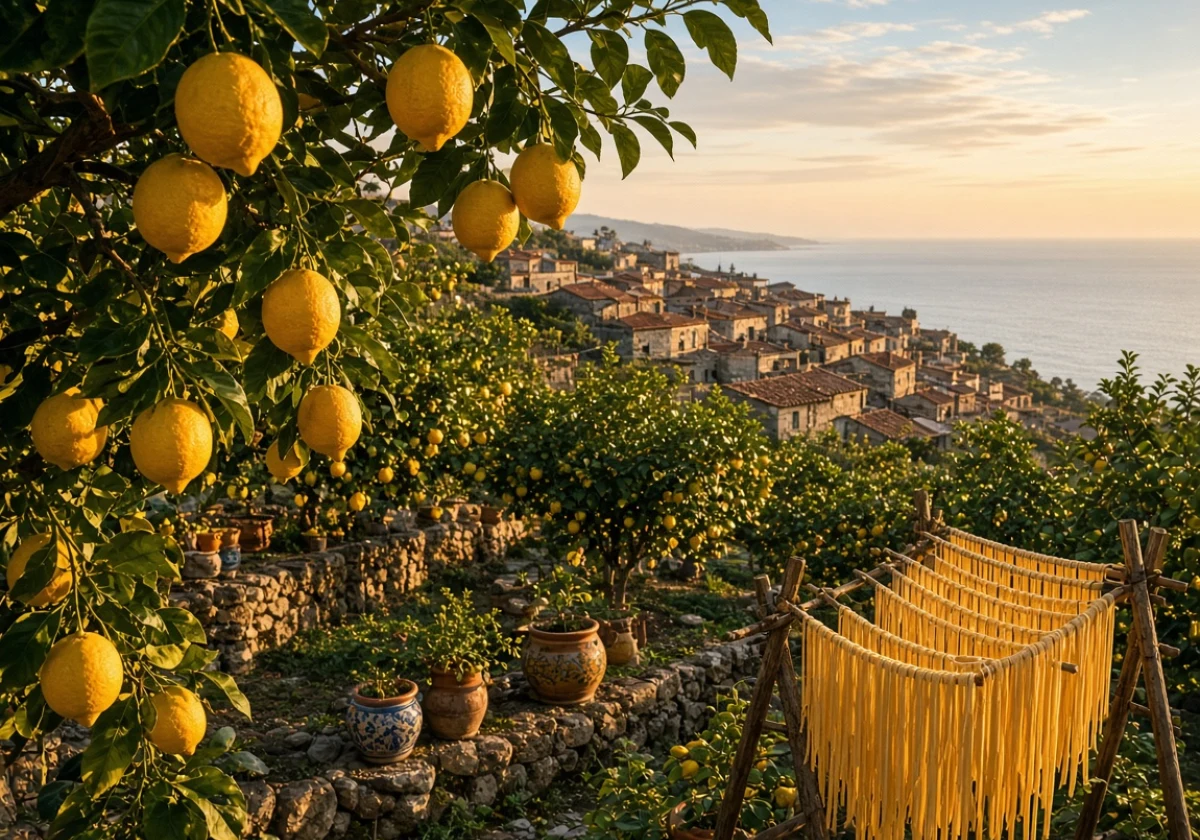
Southern Italy relies on olive oil and tomatoes because long, dry summers ripen both in volumes the north can’t match. Olive groves and tomato fields handle that heat well, while dairy pasture struggles to stay green.
Southern Italian immigrants carried those flavors to the United States in the late 1800s and early 1900s. USDA data on US olive oil consumption tracks how far that habit has spread. Use climbed from 28,000 metric tons in the early 1970s to more than 400,000 metric tons in the 2020s.
Sun-ripened tomatoes and olive oil give Southern Italian cuisine a brighter taste than Northern cooking. Naples built Neapolitan pizza on a simple tomato sauce, and a margherita pizza adds little more than mozzarella, basil, and olive oil. Sicily is known for street food like arancini, which are fried rice balls with a crisp shell and soft center.
How Tuscany Keeps Central Italian Cuisine Simple
Tuscany trims the ingredient list instead of expanding it, so a plate often holds four or five things. Ribollita, a thick bread and bean soup, uses yesterday’s loaf and whatever vegetables are left in the kitchen. Pappa al pomodoro works the same way, with stale bread simmered in tomatoes, garlic, and basil.
In Central Italy, these traditional recipes grew from thrift and remain part of everyday cooking. Good bread, beans, and fresh olive oil are what’s local in Tuscany, and simple dishes let each flavor come through.
Why Does Italian Food Culture Still Define Restaurant Dining?
Fresh ingredients, slow meals, and family recipes outlast food trends because they serve the diner rather than the calendar. A seasonal menu doesn’t age out the way a novelty concept does.
The way Italians share meals carries the tradition forward too. In December 2025, UNESCO added Italian cooking to its list of intangible cultural heritage. The listing describes Italian cooking as a communal activity built on respect for ingredients and time at the table.
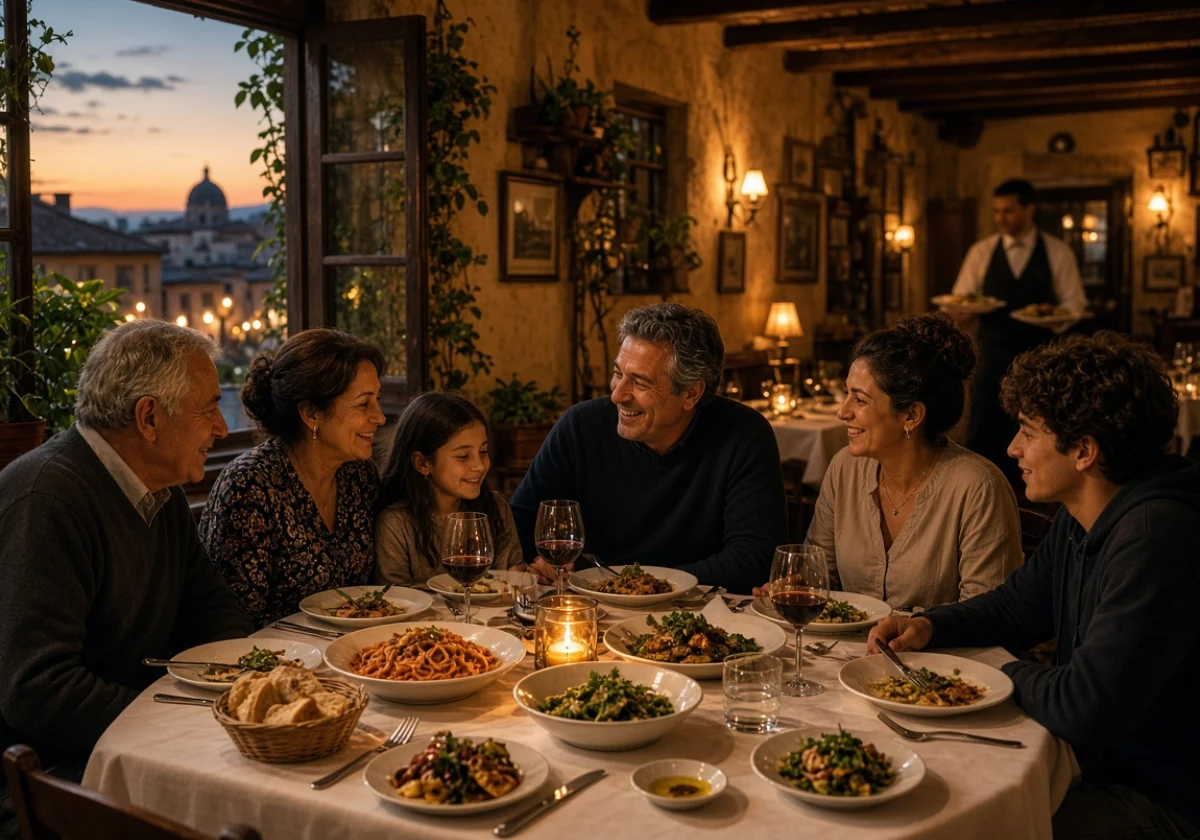
That focus on shared time changes how an Italian dining room runs. Tables turn slower, courses arrive in sequence, and servers pace the meal instead of rushing it. On a busy weeknight, a two-hour dinner can pass without anyone checking the time. In Italy, food festivals and local food markets follow the same slow pace. Long communal tables and meals that stretch into the evening are part of the event.
Family recipes add another layer of tradition. Many Italian recipes have stayed in the same family for three generations, and every cook along the way has tested them. Guests often ask whether a dish stays authentic or bends toward American tastes. In most cases, the cooking method stays the same while portion sizes and ingredient sourcing change.
The Mediterranean diet gives health-conscious diners a familiar framework for the same plates. Vegetables, legumes, fish and olive oil form the base of Southern Italian cooking, and that overlap is part of why the menu appeals beyond tradition.
Pairing Italian Wine With the Food on Your Plate
Once the regions make sense, the wine list stops looking like a test. Italian wine culture treats food and wine as one choice, so learning a few classic pairings makes the menu easier to read.
Three habits cover most of what a wine list asks you to decide:
- Match the Region: Pair Chianti with Tuscan dishes and crisp whites with coastal seafood. Grapes and crops from the same climate share similar flavours and acidity. Ask your server which bottle comes from your main course’s region.
- Let Ingredients Lead: Fresh tomatoes, basil, and mozzarella need wines that stay out of the way. Tomato sauce is acidic and clashes with heavy oak, so a light red or dry white works better. Pick a wine that supports the dish instead of competing with it.
- Balance Body and Richness: Rich dishes like osso buco or risotto call for fuller reds such as Barolo or Barbera. Lighter plates like grilled fish pair better with crisp whites such as Vermentino. Matching the body of the wine to the dish keeps one from overpowering the other.
Start with one pairing you enjoy, then swap a single element on your next visit. Our beginner’s guide to pairing wine with Italian dishes covers specific bottles for each course.
A Diner’s Guide to the Traditional Italian Meal Structure
Many American diners order a main and skip the antipasto, so they miss the full sequence Italians planned. A traditional Italian meal moves through stages, and each course stays small enough to leave room for the next.
The table below breaks down a typical Italian dinner by course.
| Course | What It Includes | Example Dishes |
|---|---|---|
| Antipasto | Cured meats, cheeses, marinated vegetables | Salumi, bruschetta, olives |
| Primo | The first plate, built on a starch | Pasta, risotto, gnocchi |
| Secondo | Meat or fish with a simple side | Osso buco, grilled branzino |
| Dolce | Dessert, then coffee | Tiramisu, panna cotta, espresso |
You’ve probably ordered a primo as your main, since pasta sits in the middle of the sequence. Pick an antipasto and a primo together and you’ll eat the way the menu was designed. Italian desserts come last and stay small, which is why the dolce rarely feels heavy.
Bring Italian Traditions to Your Next Night Out
Italian cooking rewards diners who understand the sequence, the region, and the reason behind each plate. That knowledge makes a regular dinner feel like an evening worth slowing down for.
Next time, read the menu by region, start with an antipasto, and ask your server about the wine. Those three steps bring you closer to the table Italians set at home.
Fiore Restaurant serves regional Italian dishes in the full traditional sequence, with antipasto, primo, secondo, and dolce on the menu. Book a table with Fiore Restaurant to talk through the menu and taste each course in order.