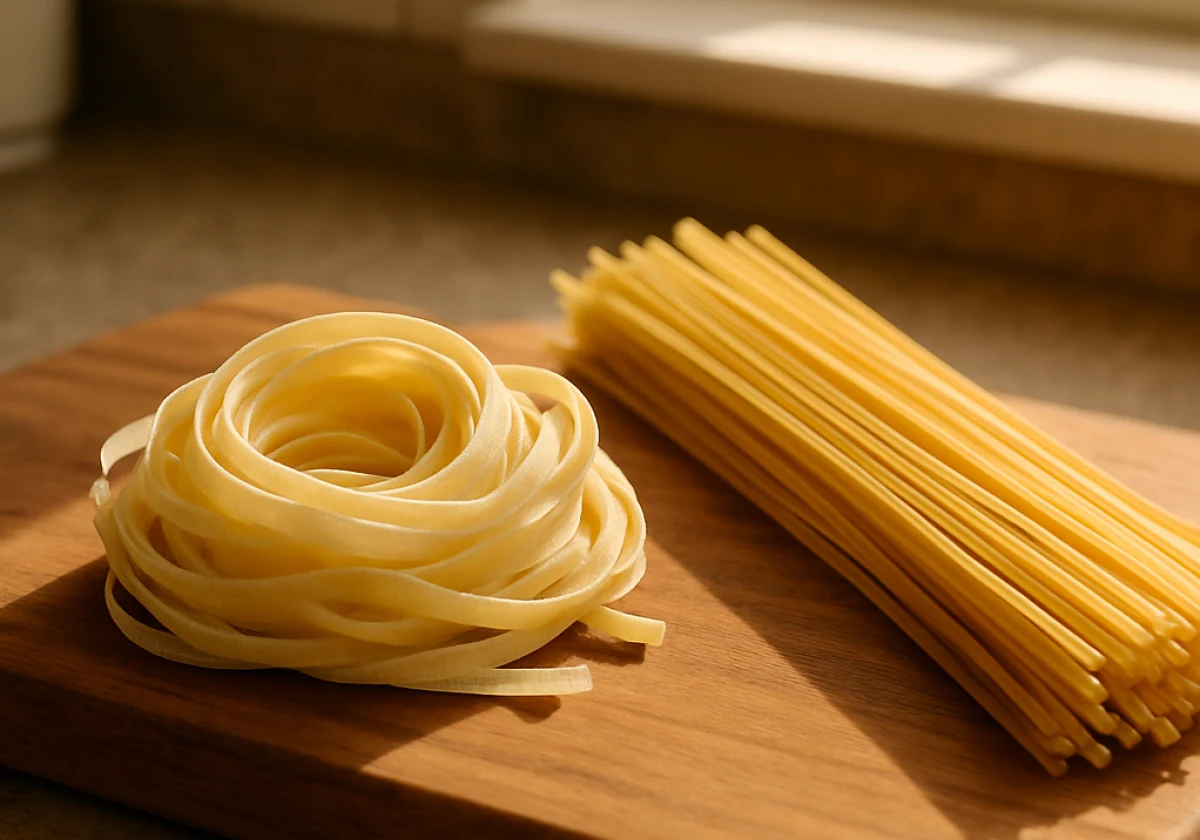
Fresh pasta differs from store-bought pasta in its ingredients, texture, cooking time, shelf life, and cost per serving. Those five gaps decide which one belongs in your pot tonight.
Most home cooks settle the homemade vs. store-bought pasta question out of habit. And then they wonder why a sauce slides off the noodles or why dinner runs late. At Fiore Restaurant, we treat that choice as part of the recipe instead of an afterthought.
This guide walks through what each pasta contains, how long each takes to cook, and what a batch costs you. Let’s get into it.
Pasta Types Compared: What Goes Into Fresh and Store-Bought Pasta
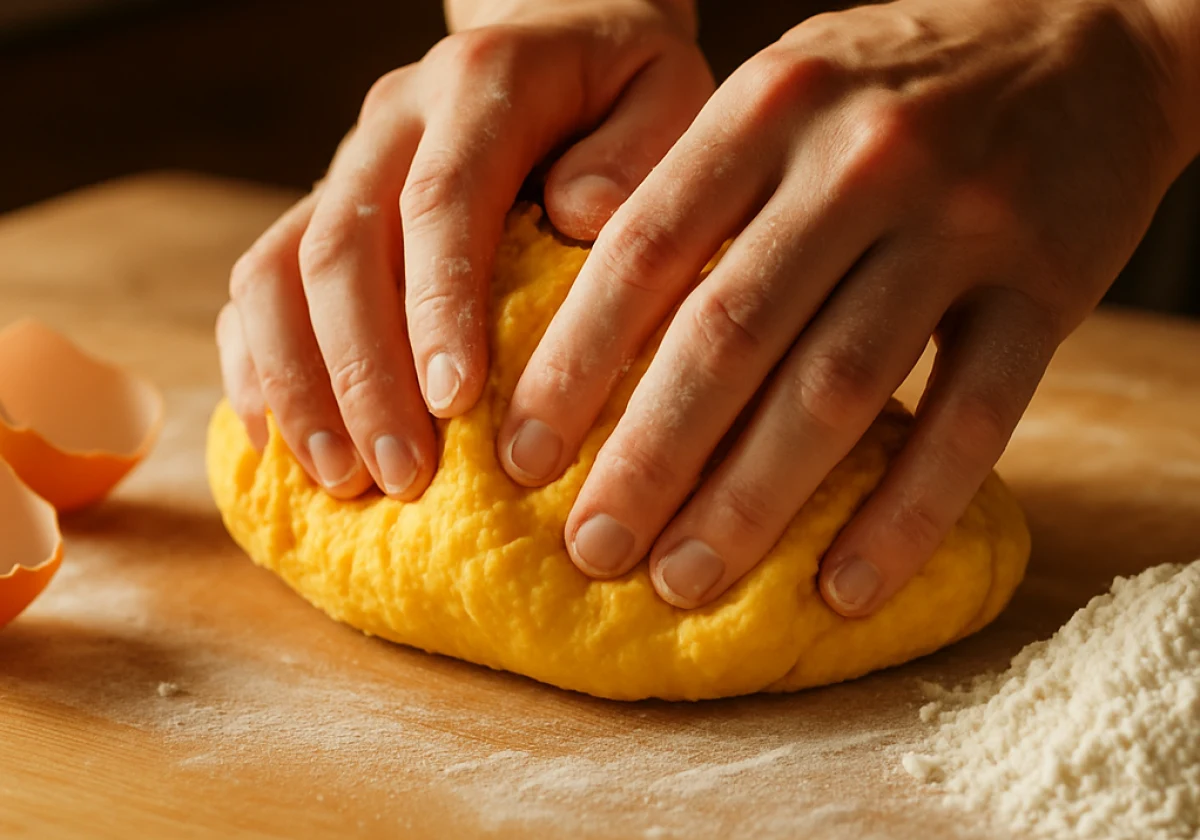
Most of the difference between these two pastas starts with just two ingredients: eggs and flour. Both types of pasta use wheat, yet the liquid each one carries changes the dough’s color, taste, and texture.
Have a closer look at each pasta type to see how its ingredients and preparation affect taste and texture.
Fresh Pasta: Type of Flour, Eggs, and Delicate Texture
Fresh pasta often combines soft wheat flour and whole eggs. The yolks give the dough its yellow color, while their fat contributes to a tender bite.
After kneading and resting, the dough becomes pliable enough to roll into thin sheets. These cook into delicate pasta that pairs well with butter-based sauces, which coat it without overwhelming its texture.
Some recipes even include a pinch of salt or a little olive oil, but neither ingredient appears in every traditional version. Flour and eggs alone can form the dough.
Store-Bought Pasta Starts with Semolina and Water
Store-bought pasta swaps the eggs for water and uses semolina flour. This coarse flour is made from durum wheat and dries hard without cracking.
For that reason, most boxed dried pasta contains just semolina and water. In practice, the durum wheat gives the cooked strands a firm bite, which holds up well when you toss them through a slow-cooked meat sauce.
The pasta’s form also affects how it carries that sauce. For instance, ridges and hollow centres on varieties like rigatoni catch the liquid and small pieces of meat in each bite.
Is Homemade Pasta the Same as Fresh Pasta?
Yes, homemade pasta is fresh pasta. Homemade pasta is usually fresh when you first make it, but you can dry it for storage as well. For context, “Homemade” describes where you prepare the dough, while “fresh” describes its condition.
That distinction applies to pasta you buy. Shops and restaurant kitchens make fresh varieties too, so homemade pasta and store-bought pasta don’t automatically mean fresh and dried.
To compare them, check how each product needs storage and cooking. Fresh pasta generally needs refrigeration and cooks quickly, while dried varieties keep in the cupboard and take longer to boil.
Which Cooks Quickly? Fresh Pasta or Store-Bought Pasta
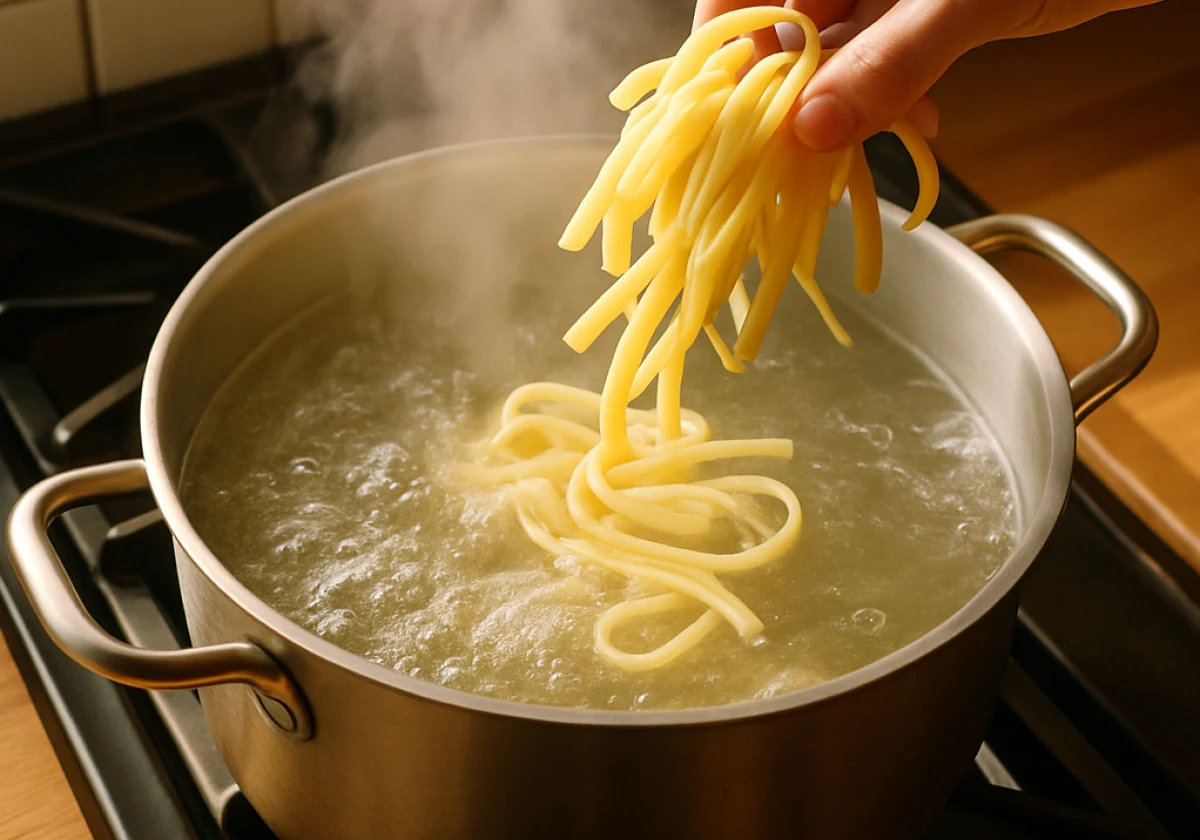
Fresh pasta usually cooks in 2 to 3 minutes, while dried store-bought pasta typically takes 8 to 12 minutes. The shorter cooking time means your sauce should be ready before fresh pasta goes into the water. With dried varieties, you have a longer window to finish the sauce while the pasta boils.
The three points below track each one from the first drop into water to the plate.
Cooking Times in Boiling Water
Fresh pasta needs close attention once it enters boiling water, as thin strands can soften before the rest of dinner is ready. To avoid overcooking it, keep the sauce warm nearby and start tasting early. With dried varieties, stir after adding them to prevent sticking, then check the centre for the firmness you prefer.
For both types, thickness affects the timing. Thin strands generally cook sooner, while thick varieties like rigatoni need longer. Use the packet or recipe as a guide, then taste a piece before draining.
Getting Fresh Pasta Cooked Al Dente
Al dente means the pasta retains a slight firmness when you bite into it. Fresh varieties have a softer texture than dried ones, so don’t expect the same firm centre.
To judge readiness, taste a strand early and check again at short intervals (a kitchen timer can help you track those checks). If you’ll finish it in sauce, transfer it while it’s still slightly firmer than you want. Then toss gently in the pan and taste again before serving.
Where Store-Bought Pasta Holds Up: Baked Dishes and Chunky Sauces
Store-bought pasta holds up when the pot sits crowded, or dinner runs late. Firm strands forgive an extra minute in the water.
For baked dishes like ziti, the pasta continues cooking in tomato sauce after it leaves the pot. Drain it while it’s still firm to avoid an overly soft result after baking.
Our kitchen uses dried pasta for these dishes because it holds its texture during both stages. Fresh sheets also suit baked recipes like lasagne, but they need cooking times and sauce quantities appropriate to their thickness.
Shelf Life Separates Fresh Pasta from Store-Bought Pasta
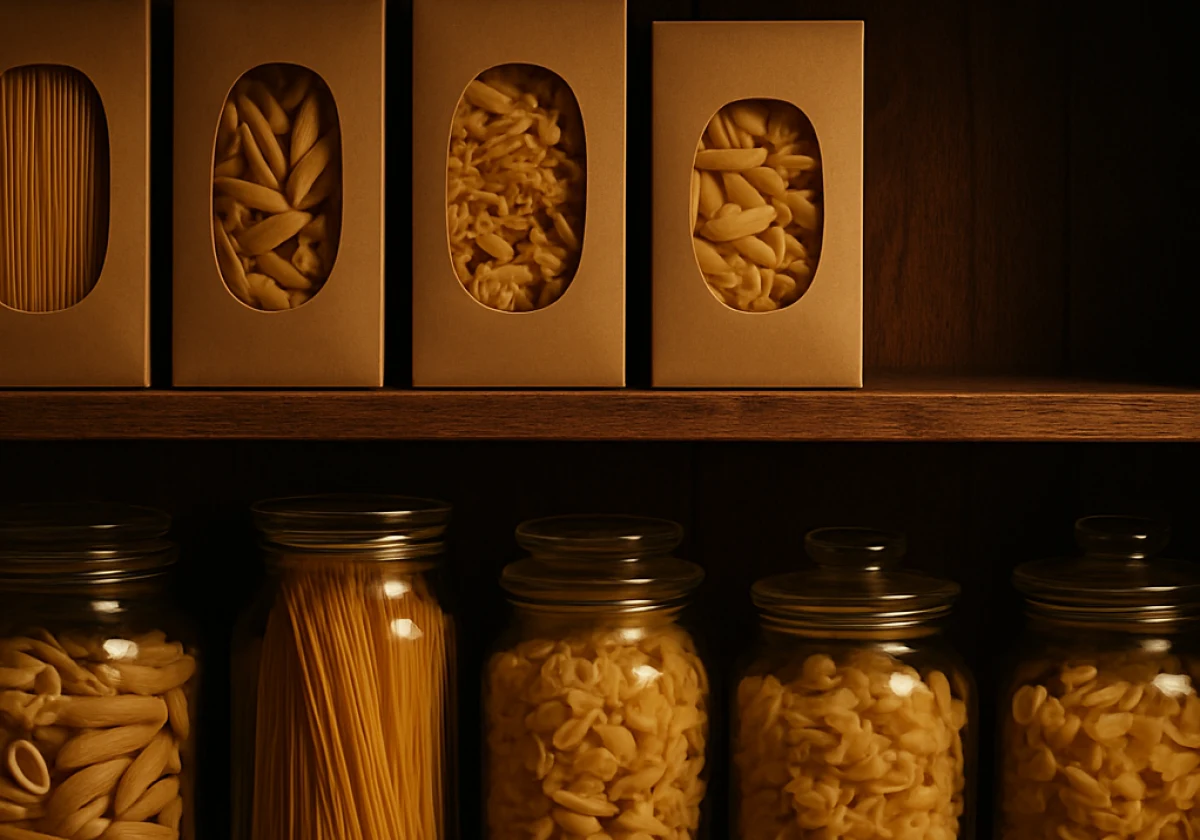
Shelf life is the best part of store-bought pasta, measured in years rather than days. A sealed box keeps two to three years in a dry cupboard, and the quality barely shifts across that stretch.
In practice, fresh pasta runs on a shorter clock, lasting two to three days in the fridge before the dough darkens and turns sticky. And if you won’t use it within those few days, dust the nests with flour and freeze them flat on a tray. Once firm, transfer them to an airtight container for storage.
Because of this, the two types of pasta earn different spots in one kitchen. We keep dried pasta in the cupboard for evenings when we haven’t bought fresh ingredients or decided what to cook. If you’ve ever wondered why a forgotten box still cooks fine, dry storage holds the answer (the missing water is what keeps it stable).
That long shelf life influences how much you buy, since a case of boxes outlives a grocery run while fresh dough answers to the date on the fridge.
Homemade Pasta vs Store-Bought Pasta: Cost and Effort
A batch of fresh pasta may use inexpensive ingredients, but you need time to knead, rest, and roll the dough. Store-bought pasta skips that preparation, so compare the ingredient cost with the time you have available.
Set the two types side by side, and the trade-off shows itself.
| Criterion | Fresh pasta | Store-bought pasta |
|---|---|---|
| Ingredient cost per pound | Around $2 to $3 (eggs, flour) | Around $1 to $2 per box |
| Hands-on time | 45 to 60 minutes with rolling and cutting | Zero prep, open and boil |
| Equipment | Rolling pin or pasta machine | A pot of boiling water |
| Best fit | Special meals and weekend projects | Quick weekday dinners |
Simply put, fresh pasta suits weekends when you have time to prepare the dough, while the boxed variety offers convenience on busy evenings.
Homemade dough also lets you use wholemeal flour for extra fibre, though shops sell whole-grain pasta too. Your choice depends on the meal you’re planning and the preparation time available.
Let the Pasta Sauce and the Clock Decide
Texture and flavor, timing, and storage set fresh pasta and store-bought pasta apart, and each one suits a different kitchen. Neither pushes the other off a well-stocked shelf.
Reach for fresh pasta when a butter or cream pasta sauce needs a soft sheet to soak into, and keep store-bought pasta on hand when the clock gives you twenty minutes. Choose the pasta’s texture to suit your sauce, then check that you have enough time to prepare and cook it.
Ready to taste that difference without rolling a sheet yourself? Visit Fiore Restaurant for fresh Italian pasta made in our kitchen each morning. You can explore our menu for sauces and accompaniments to pair with your pasta.