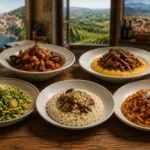
Traditional regional Italian food and modern Italian cuisine have changed through new ingredients, lighter techniques, and globally influenced menus. Both still carry the same roots, yet they land on your plate in two different ways now.
That shift confuses a lot of diners. They expect every Italian kitchen to cook the way a grandmother in Bologna once did. At Fiore Restaurant, guests ask us about this difference nearly every week, usually while they read the menu.
This guide walks you through sourcing, cooking methods, restaurant dishes, and flavor, so you know exactly what you’re ordering. Pull up a chair and let’s get into it.
Ingredients and Sourcing: The Clearest Difference Between Traditional Regional Italian Food and Modern Italian Cuisine
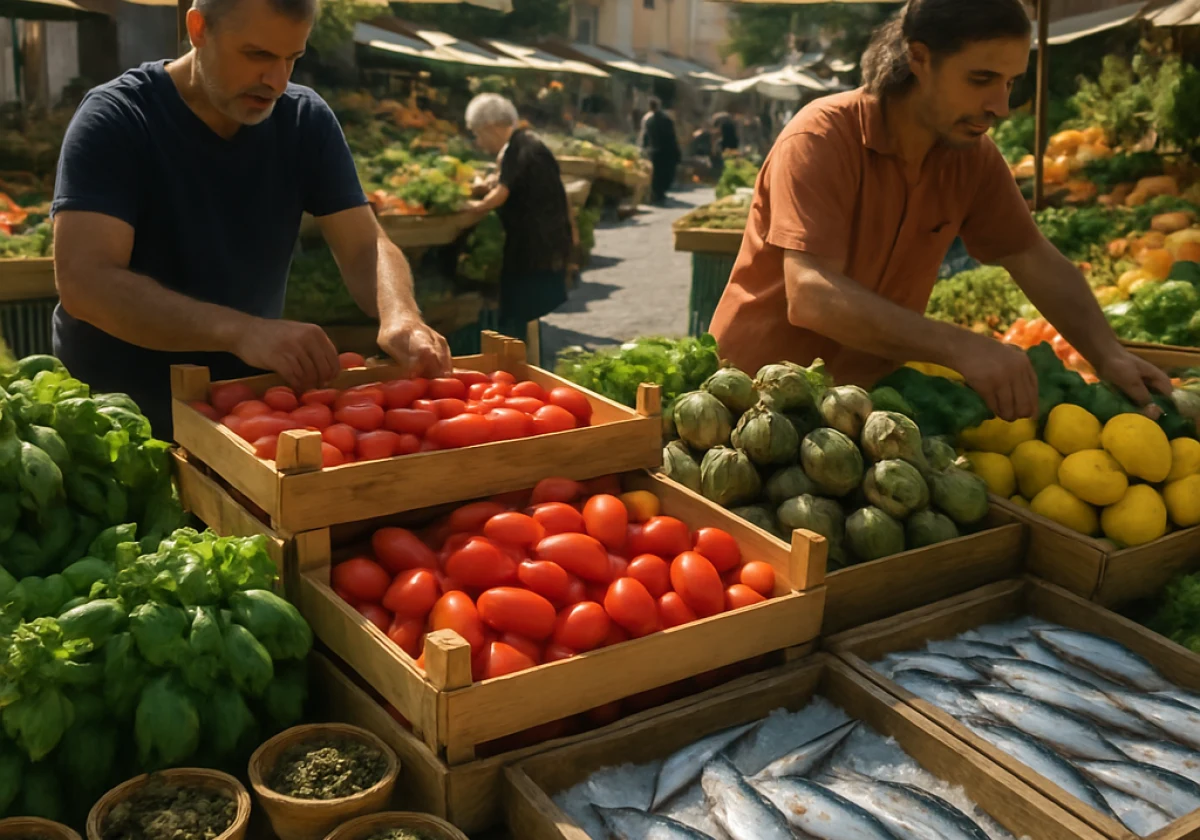
Most Americans know Italian food through a handful of restaurant standbys, so they rarely notice how traditional regional Italian food differs from modern Italian cuisine. The gap starts with two things: where the food grows, and how far it travels before it hits the pan.
Why Traditional Regional Italian Food Stays Close to Home
Geography set the rules here. Every recipe in traditional regional Italian food grew from what nearby farms, boats, and dairies could deliver in one day. Liguria built pesto around basil and pine nuts, while Sicily leaned on citrus, capers, and sardines.
The seasons narrowed those choices further. A Roman cook in February worked with artichokes and chicory instead of tomatoes. Families repeated those pairings for generations, until the combinations hardened into rules that almost nobody questioned.
This close connection between food, place, and tradition also appears across the Mediterranean diet, which UNESCO added to its cultural heritage list in 2010. We follow the same basic idea when sourcing dishes because a short supply line brings better flavor and far less waste (the tomatoes tell on you before the menu does).
Modern Italian Cuisine and the Global Pantry
Modern Italian cuisine takes the opposite approach and shops the whole world. For example, in Milan, a chef might finish a pasta with yuzu, miso, or Peruvian chiles. Air freight and year-round greenhouses made those additions feel normal rather than strange.
Where a traditional cook waited for the season, a modern chef calls an importer. One menu might pair Greek olive oil with burrata from Sonoma, California, and tuna caught in the Pacific, so ingredients no longer have to come from near the kitchen.
That access changes the flavors first. Chefs lean on fresh herbs, citrus and light stocks instead of cream, which keeps plates brighter. One Italian friend of ours even calls it cooking with a passport, which sums up the whole shift neatly.
How Do Cooking Techniques Differ Between Traditional Regional Italian Food and Modern Italian Cuisine?
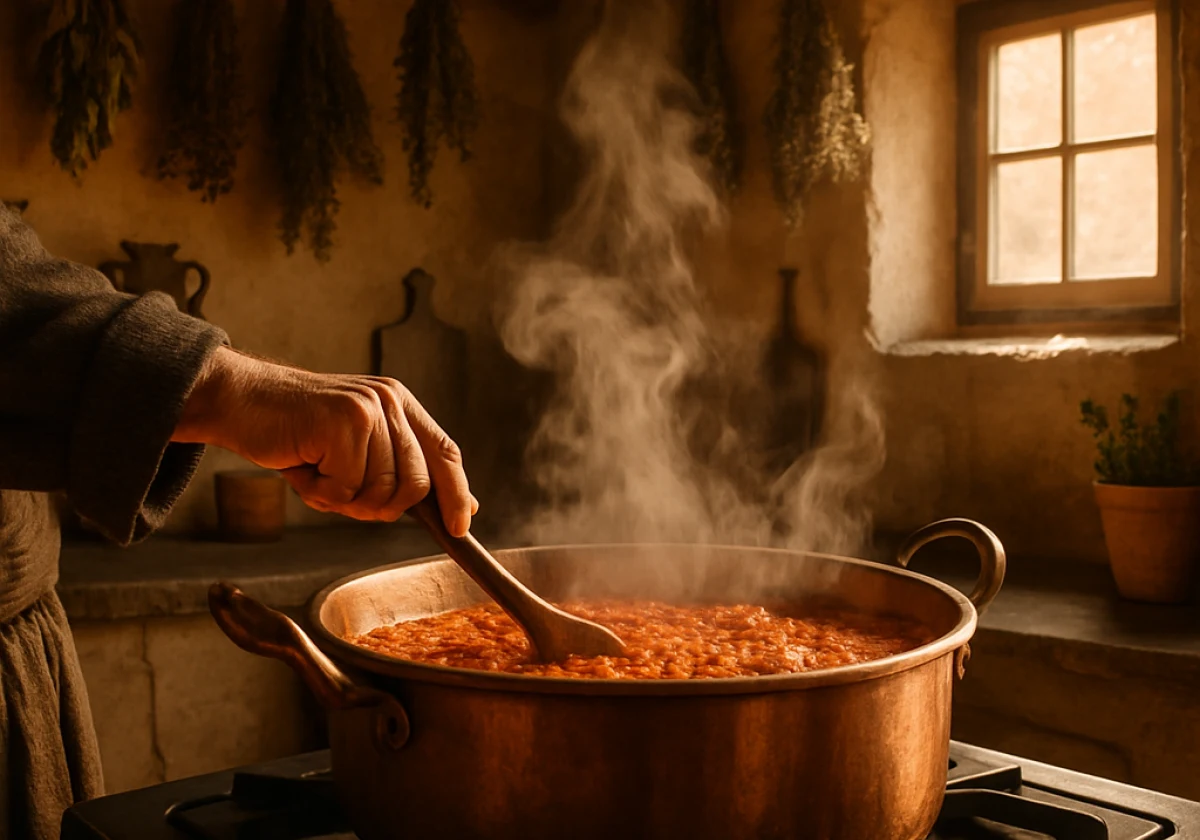
Traditional regional Italian food relies on slow, simple methods, while modern Italian cuisine favors lighter, faster ones. Heat, time, and fat separate these two kitchens more than any single ingredient does.
Polenta, Ragu, and the Slow Methods of Traditional Regional Italian Food
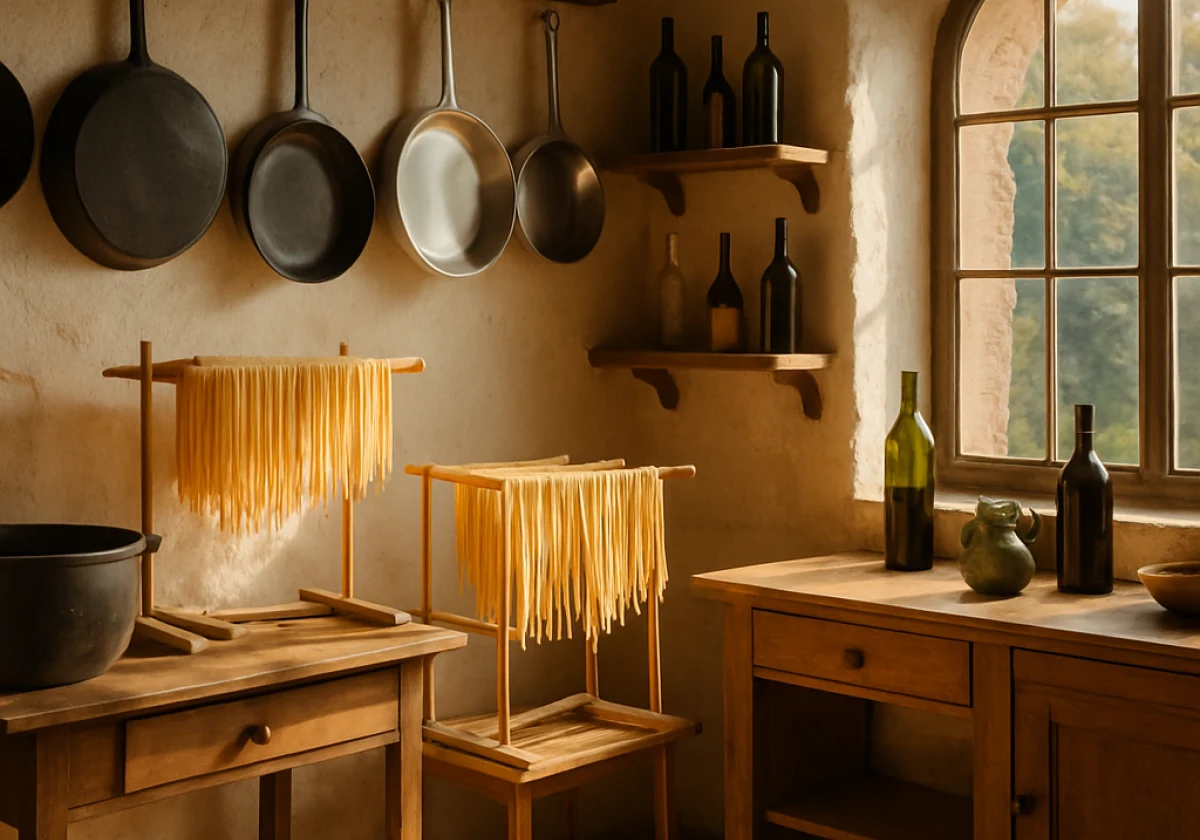
Time works as an ingredient in traditional regional Italian food. A Bolognese ragu simmers for three hours until the meat turns tender, and Polenta needs forty-five minutes of stirring.
That patience breaks down tough cuts and cheap grains, the two staples of poor kitchens. Ragu and polenta fed poor northern households for centuries because slow cooking made cheap ingredients filling.
You taste the result in the texture. Long cooking leaves a sauce that clings to the pasta instead of sliding straight off it, and a Polenta that turns creamy.
Lighter Cooking in Modern Italian Cuisine
Modern Italian cuisine trims the hours down. Fish sears for four minutes, and vegetables blanch just long enough to keep their color and bite.
Chefs here use sous vide water baths, induction burners, and quick pickling. Each tool hits the same exact temperature every single service.
The payoff is a plate that photographs well for Instagram. It also sits lighter after a long dinner (your waistband notices the difference by the next morning).
Olive Oil or Butter: Where Traditional Italian Food Drew the Line
Fat marks the oldest divide in Italy. Northern traditional regional Italian food reaches for butter, while the sunnier south presses olive oil. Modern Italian cuisine blends both, often cutting the butter in half and finishing with a raw drizzle of olive oil for brightness.
The shift also suits health-conscious diners since Harvard’s Nutrition Source treats olive oil as a healthy everyday fat.
Italian Restaurant Dishes Blend Traditional Regional Italian Food With Modern Italian Cuisine
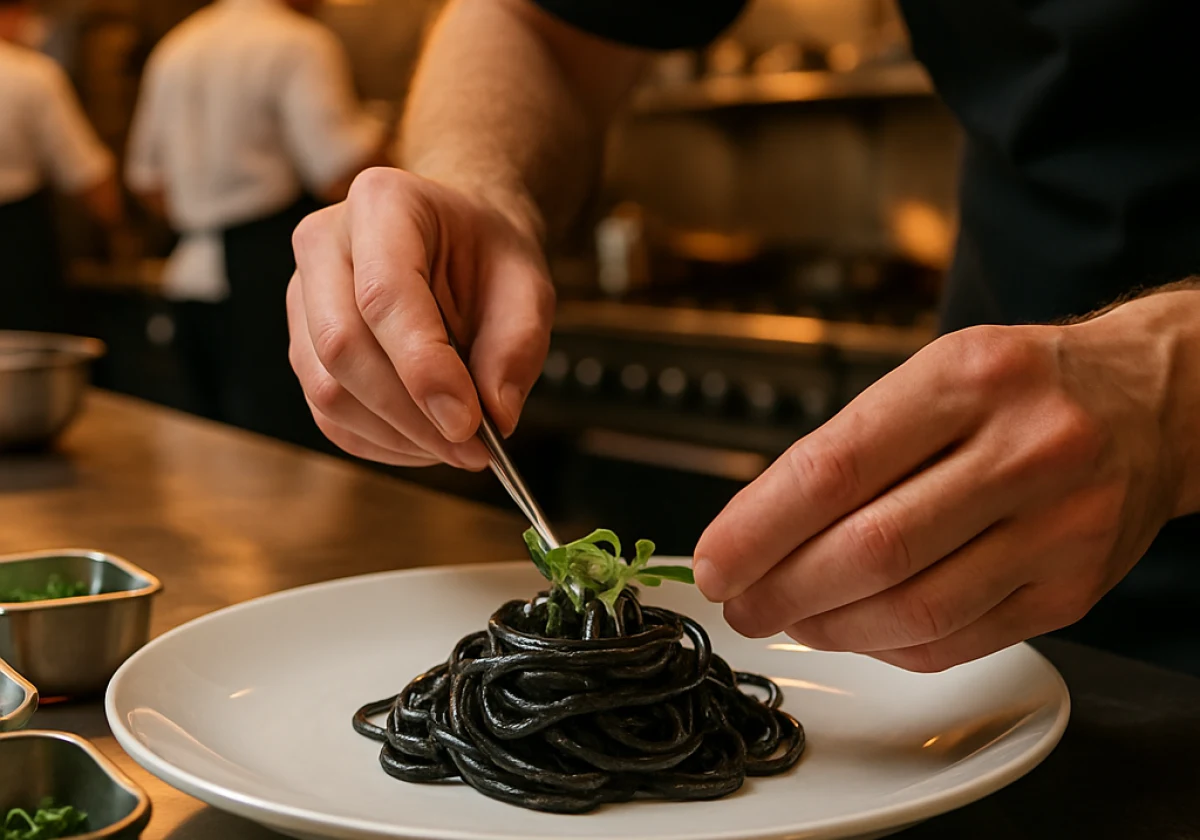
Most menus in the United States now carry both traditional regional and modern Italian cuisine at once, even the ones that promise traditional Italian food on the sign.
Take chicken parmesan, for example. No region in Italy serves it, yet it grew straight out of southern eggplant dishes that immigrants rebuilt with cheap American meat.
Modern kitchens go further, serving squid ink cavatelli or a carbonara finished in smoked pancetta foam. They keep the classic structure and change the details. Cacio e pepe and osso buco keep traditional regional Italian food on the menu.
We’ve watched one table order a three-hour ragu and a four-minute crudo together, and both plates came back empty. That mix explains why a printed menu rarely tells the whole story. Ask your server which dishes the kitchen still cooks the old way, because most people never think to ask.
Note: If you want the history behind a dish, UNESCO’s heritage register traces plates like Neapolitan pizza back to the province that made them.
Comparing Traditional Regional Italian Food and Modern Italian Cuisine at the Dinner Table
Flavor tells the real story. Traditional regional Italian food seasons a plate differently than modern Italian cuisine does. Salt, acid, and fresh herbs land in different spots on each plate for good reason.
Scan the quick comparison below before your next dinner out, and everything on the plate reads a lot more clearly.
| Comparison point | Traditional regional Italian food | Modern Italian cuisine |
|---|---|---|
| Seasoning | Salt, garlic, dried oregano | Yuzu, miso, chili oil |
| Menu wording | Dialect dish names | Ingredient-led descriptions |
| Cook time | 2 to 4 hours | 5 to 20 minutes |
Those differences hand you two useful ways to eat rather than one correct way (your plans for the evening decide this one easily). Pick by the clock and by the crowd you’re feeding, since that single call decides which style fits the night.
Taste Both Sides of Italy at Your Next Meal
Traditional regional Italian food and modern Italian cuisine both changed, and they moved in nearly opposite directions. One held its ground while the other kept borrowing.
On a cold Sunday with a crowd at the table, traditional regional Italian food suits the long cook. When the clock is short before a show downtown, modern Italian cuisine fits that narrow window better.
Fiore Restaurant serves both traditional regional Italian food and modern Italian cuisine for guests who want the full range. Email our reservations team to book your table and taste the difference in one sitting.