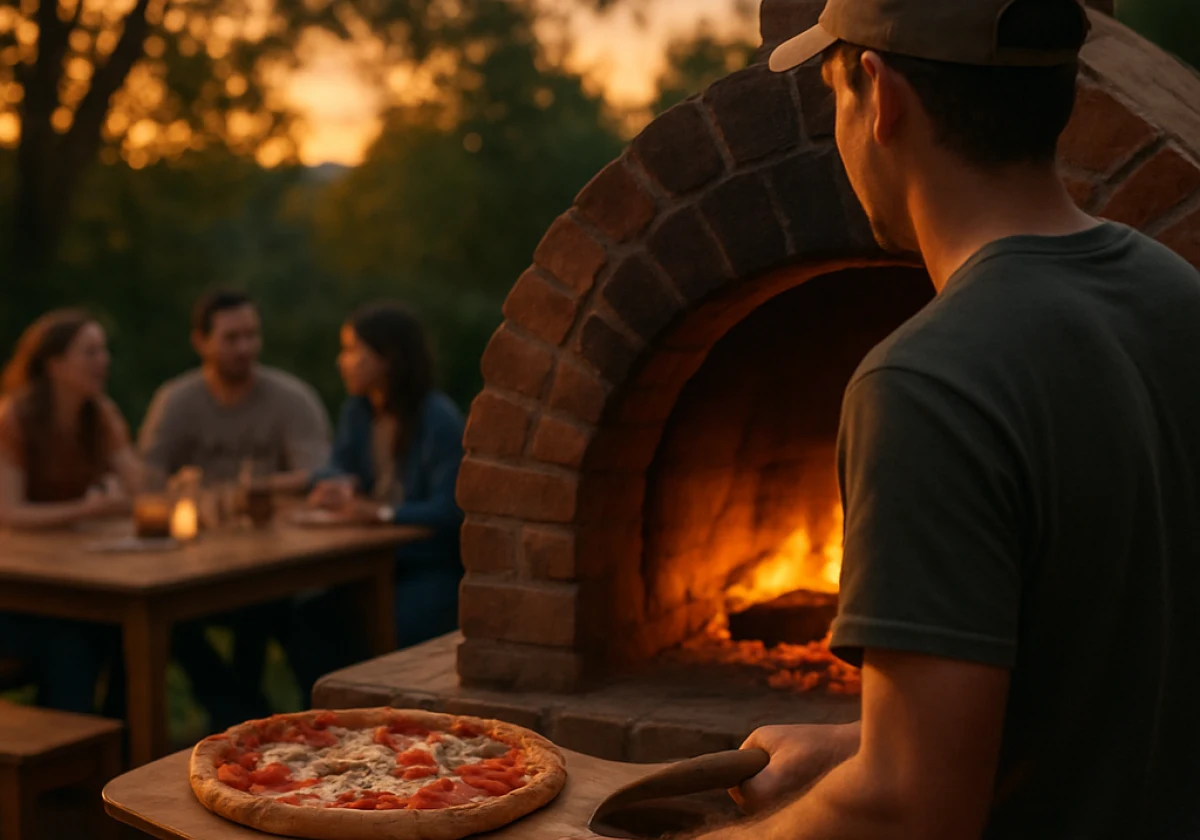
Wood-fired ovens and electric ovens both put a hot pizza on the table, but they get there in different ways. A wood oven burns a live fire. An electric oven runs on a thermostat and a dial.
At Fiore Restaurant, home cooks ask us every week which oven makes the better pie. The question usually comes right after they taste a crust they cannot copy at home. The confusion makes sense, because most product pages never explain what the heat source really changes.
This guide compares flavor, temperature, ease of use, and running costs, with real numbers you can plan around. Start with flavor, because it is what sends most home cooks to our door.
Flavor and Crust: The Difference You Can Taste
Flavor is where this comparison gets personal. The way heat reaches the dough changes how the crust tastes and feels. A home range tops out well below what either pizza oven reaches, which is why the same recipe gives different results depending on what is burning underneath.
Walk through each option below, and you will see why one recipe gives different results depending on what is burning underneath.
The Smoky Flavor That Burning Wood Creates
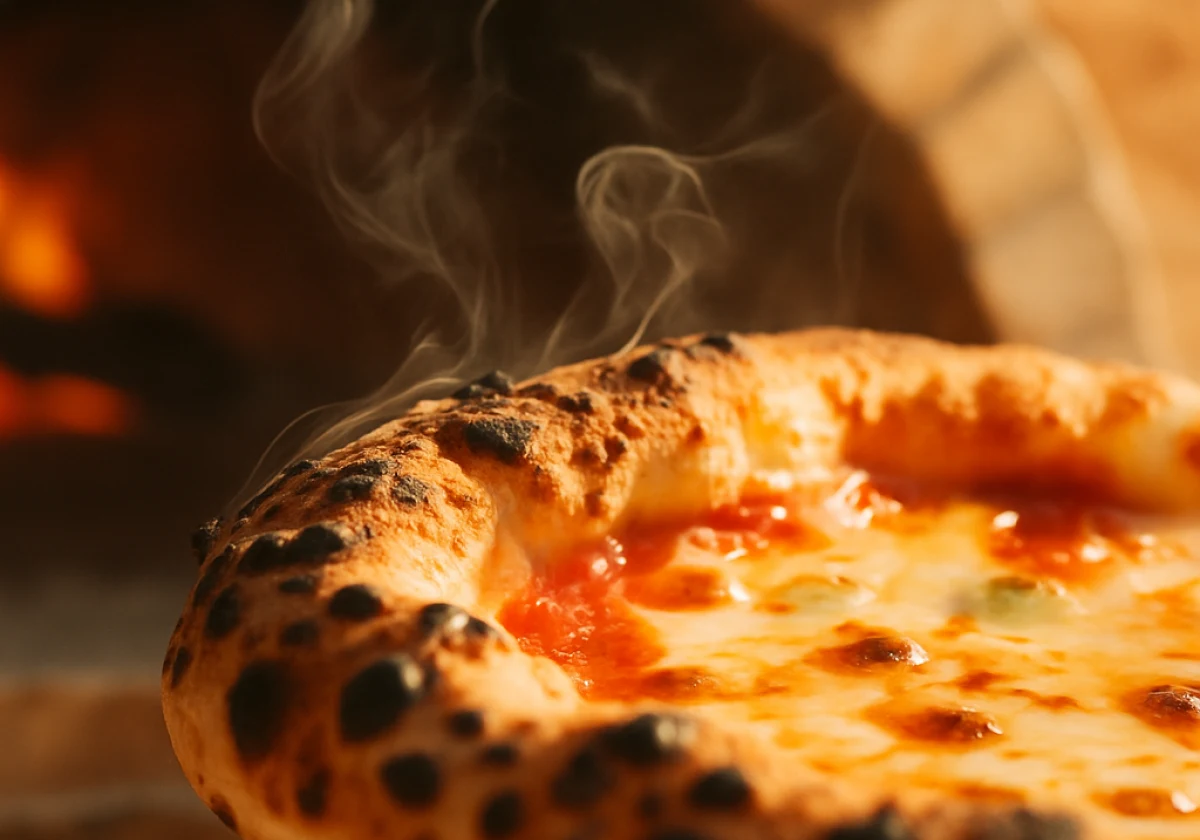
Burning hardwood inside a brick oven adds a light, smoky note to the crust. Most of that flavor comes from char, since a 90-second bake gives smoke little time to soak in. For many diners, that char is what makes a pizza taste authentically Italian.
Oak and beech are common choices because they burn hot with little resin. In our kitchen, beech gives a softer aroma that will not overpower fresh mozzarella, while softwoods like pine leave soot and a bitter taste.
You also get leopard spotting, the small charred bubbles along the rim. They form when the flame rolls across the dome and hits the raised edge.
How Electric Oven Pizza Builds Its Crust
An electric pizza oven builds its crust with steady radiant heat and a preheated stone rather than a live flame. Electric deck ovens in many pizzerias work the same way.
The base browns evenly from edge to centre. Because a thermostat holds the set temperature, each pie comes out much like the last. That consistency helps when you are feeding eight friends in one sitting.
The crust tastes cleaner and more bread-forward, so San Marzano tomatoes and fresh basil come through clearly. Some pizza makers prefer that brighter flavor for simple, tomato-led toppings like a classic margherita.
Where Each Oven Fits Italian Pizza Styles
Each Italian pizza style grew up around a particular oven. The dough-to-oven match affects your crust in ways that no brand choice can. Neapolitan dough is soft, high in hydration, and bakes in about 60 to 90 seconds. That short, intense bake suits a wood-fired oven.
Thicker styles need the opposite. Roman pan pizza (pizza al taglio) and Sicilian-style bases need a longer, gentler bake, and an electric oven handles both well. Our kitchen runs both ovens every service. We send each pizza to the oven that suits its style, not to whichever oven is free.
How Do Pizza Oven Temperatures Compare?
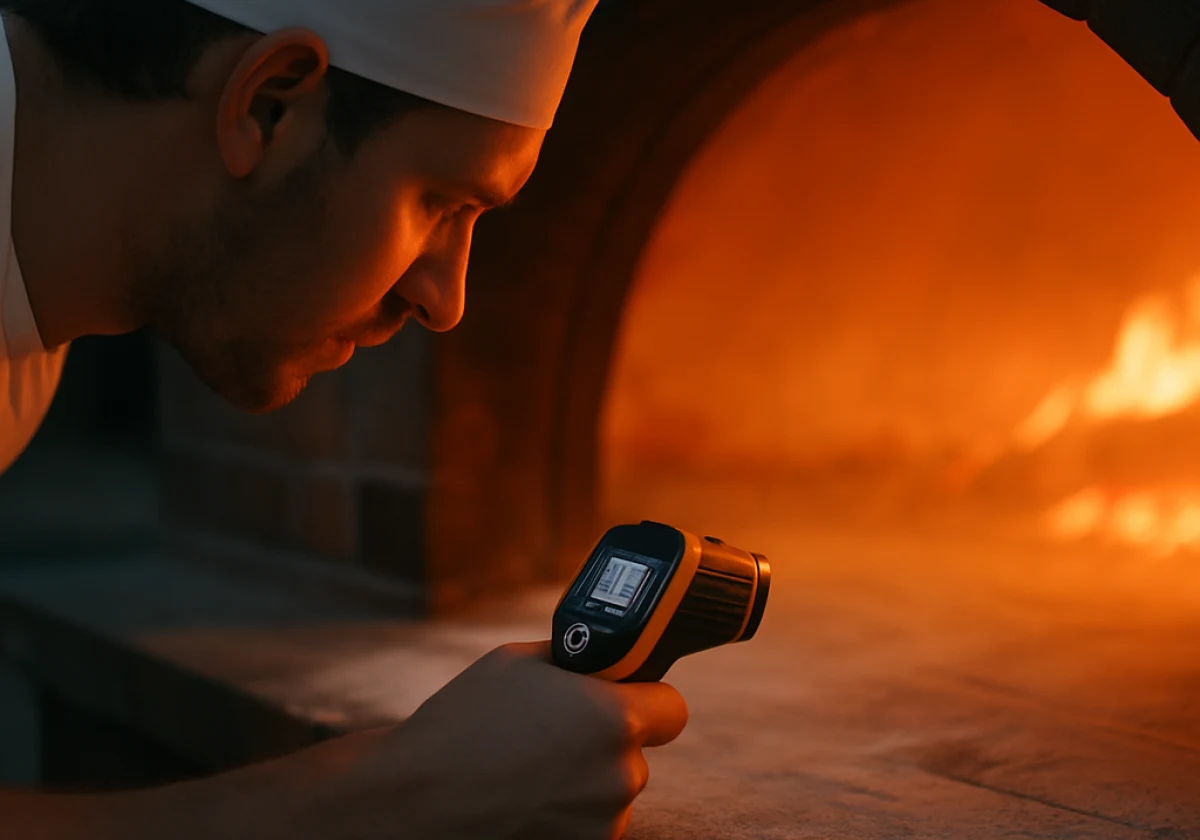
Once flavor is covered, the comparison moves to numbers. Peak heat sets the bake time and the crust structure. Floor recovery between pies matters too, especially during a dinner rush. The table below puts both ovens side by side.
| Comparison point | Wood-Fired Pizza | Electric Oven Pizza |
|---|---|---|
| Peak floor temperature | 850 to 900°F | 600 to 750°F |
| Bake time per pie | 60 to 90 seconds | 4 to 6 minutes |
| Preheat before service | 45 to 60 minutes | 20 to 30 minutes |
| Floor recovery after a bake | 2 to 3 minutes | 30 to 60 seconds |
| Heat source | seasoned hardwood logs | 1,500 to 3,000 watt elements |
Those wood-fired figures sit inside the Neapolitan pizza standard, which calls for a bake of 60 to 90 seconds. And both ovens reach heat that a kitchen range capped at 550°F cannot touch.
Remember to choose the oven that matches your dough, then use the table to plan your preheat and bake times. Then use the table to plan your preheat and bake times.
Ease of Use: What Each Type of Oven Asks of You
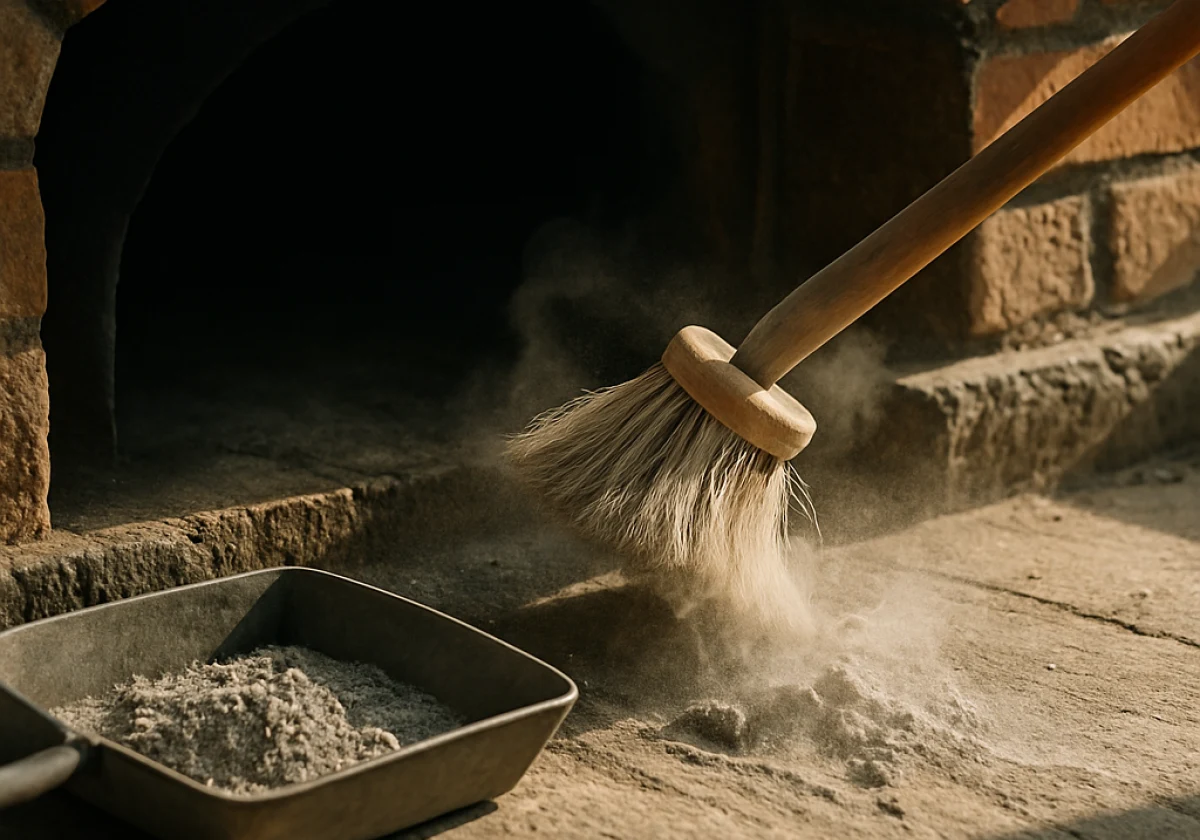
Ease of use covers setup, cleanup, and how much attention each oven needs during a bake. Compare the three daily handling points below before you commit counter space or a backyard slab.
Compare the three daily handling points below before you commit counter space or a backyard slab.
- Startup and Preheat: A wood fire needs kindling, airflow checks, and up to an hour of close attention before the floor is ready. An electric oven starts with one switch and a timer. You can prep toppings while it heats.
- Attention During the Bake: Turn a wood-fired pizza with a peel every 20 seconds so the edge facing the flame does not scorch. In an electric oven, one half-turn at about the three-minute mark is usually enough.
- Cleanup and Upkeep: Every wood fire leaves ash to clear and soot on the dome. Clearing ash is a 10- to 15-minute job after every session, and first-time owners often underestimate it. An electric oven, on the other hand, needs only a quick stone brushing and a wipe of its stainless-steel shell.
Your available time separates these ovens more than your skill does. On a rushed weeknight, an electric oven is easier to run. A wood-fired oven rewards cooks who can spare an hour or more per session. Count those minutes honestly before you buy.
Running Costs Look Different for Wood-Fired Pizza and Electric Oven Pizza
Once handling is covered, running costs show whether your choice holds up over a full year of baking. In the North-east, a cord of seasoned hardwood costs about $250 to $400. How long it lasts depends on how often and how hot you fire the oven.
A countertop electric pizza oven draws about 1.5 to 1.8 kilowatt-hours for each hour it runs at full power. At the U.S. average residential rate of roughly 17 cents per kilowatt-hour, that comes to about 25 to 30 cents an hour. Larger 240-volt units cost more to run.
Beyond fuel, the two ovens wear out in different ways. A wood oven needs a yearly chimney sweep, which costs around $200, plus firebrick repairs every few years. An electric oven mainly needs replacement heating elements at about $80 to $150 each. In five busy years, we have replaced only two.
Fuel storage is a cost that first-time buyers rarely plan for. A wood-fired oven needs a dry, ventilated woodpile, because damp logs smoke heavily and burn poorly. An electric oven needs only a properly rated outlet, either a standard 120-volt circuit or a dedicated 240-volt line.
Gas ovens sit between the two on fuel costs, which is why many mid-size pizzerias choose them. This guide focuses on wood and electric, but gas is worth considering if your space has a line already run. Over a full year, the right oven for you depends on two things: how many pizzas you bake each month and what fuel costs in your area.
Find the Best Pizza Cooking Method for Your Kitchen
Your heat source affects everything that follows, from the char on the rim to your monthly energy bill. Go for a wood-fired oven if you want leopard-spotted Neapolitan pizzas and have time to tend a fire. Choose an electric oven if your space has no chimney or you bake mostly on busy weeknights.
Fiore Restaurant serves pizza from both ovens and helps home cooks plan a setup that fits their space. Contact our team for a walkthrough of either build. You can also book a table to taste both styles side by side before you buy.