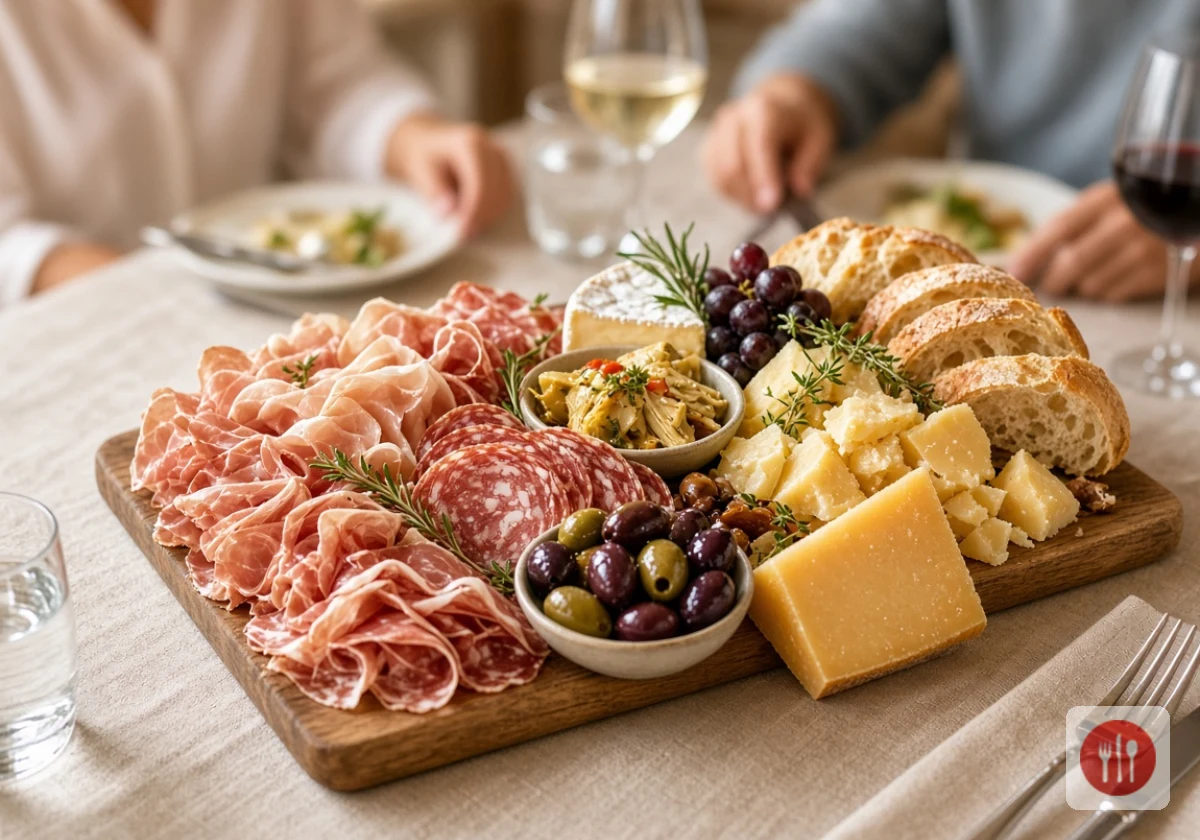
An Italian antipasto board works best when every item has room to be seen and picked up. Plus, a smaller selection lets guests see each cheese, cured meat, and vegetable clearly and reach their choice without moving other food aside. Yet leaving space on the board can feel ungenerous when you’re used to filling every
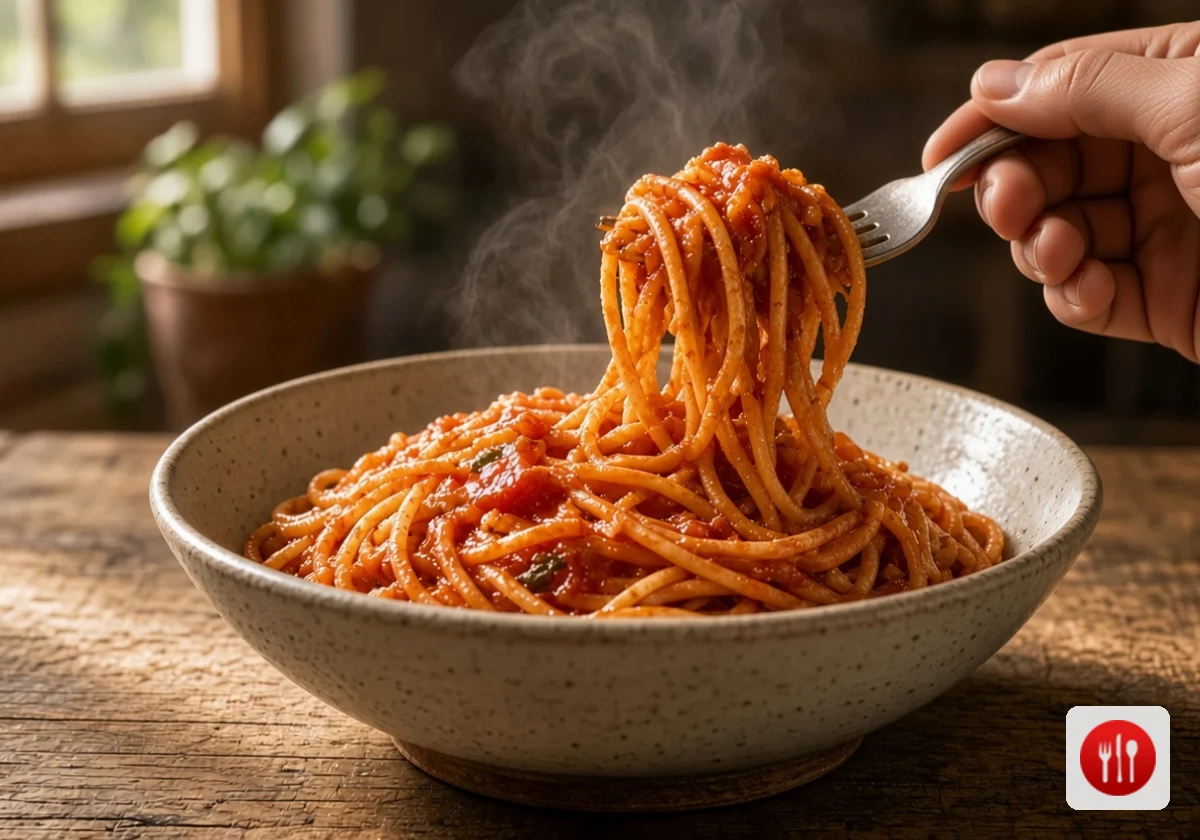
Pasta sauce not sticking usually comes down to two things: the noodles lost their surface starch, or the sauce never bonded with them. Both problems happen after the water boils, so you can fix them at home tonight. That’s why Italian cooks pay close attention to the final minute in the pan. At Fiore Restaurant,
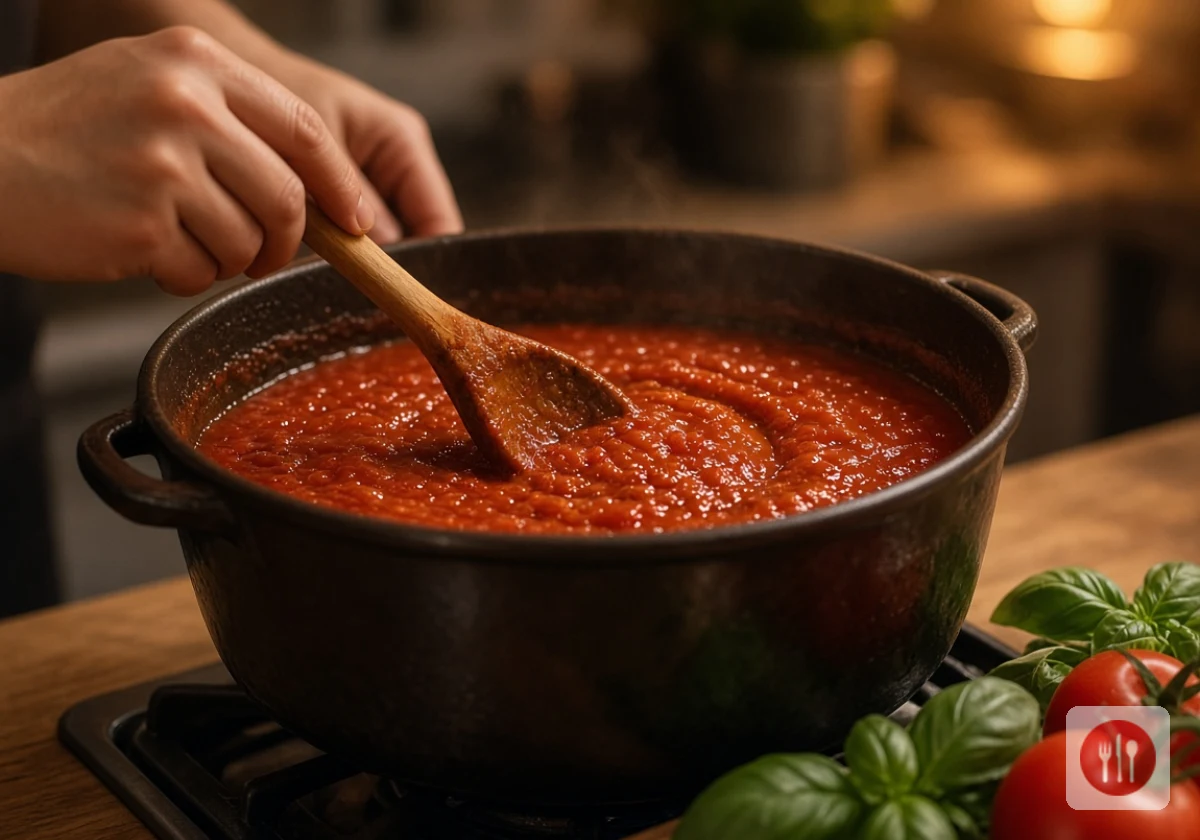
When a sauce goes wrong, you can almost always save it without dumping the pot. Too much salt, sharp acidity, and a watery texture each have their own cause. Thankfully, they all have matching fixes. At Fiore Restaurant, we teach home cooks to taste a sauce and work out the problem before they reach for
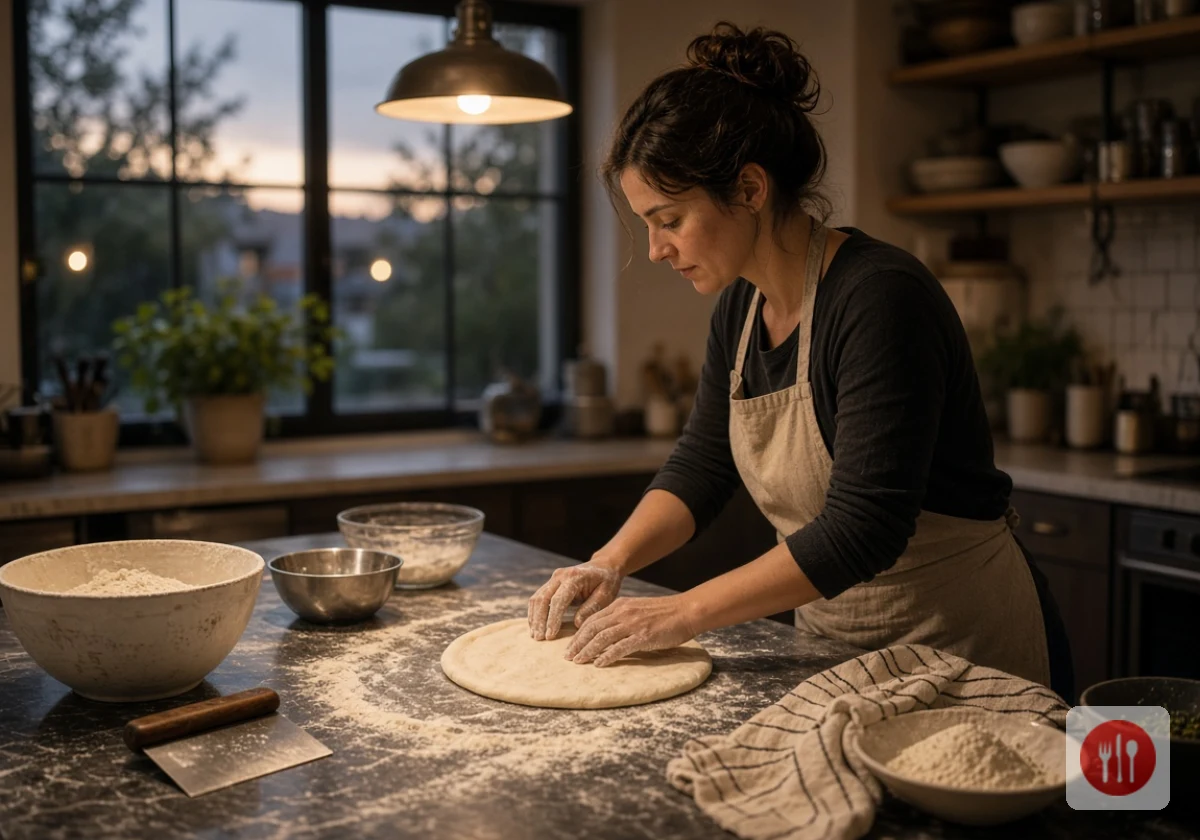
Your kitchen’s temperature sets how fast pizza dough proofs. The same recipe might rise in two hours on a warm afternoon but take five in a cool kitchen. Yeast works faster in heat and slower in cool air, so recipe timings are only a starting point. That’s why so many home bakers end up with
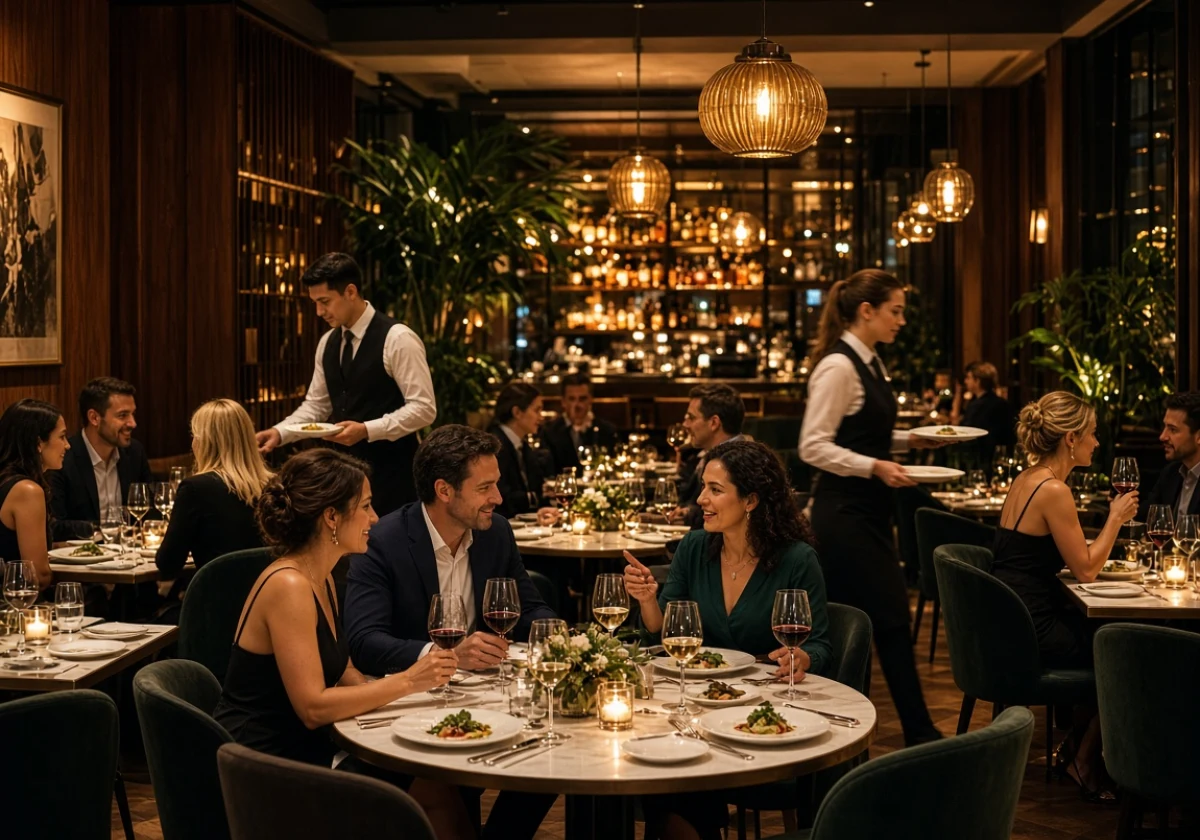
Restaurants balance food quality and customer experience by pairing consistent kitchen standards with warm, attentive hospitality at every table. Both sides are important because even a well-prepared meal can disappoint if guests feel ignored when they arrive. But this balance is difficult as the kitchen and the dining room run on different clocks. Fiore Restaurant
Restaurant menus reflect culinary identity through the fonts, layout, dish descriptions, and prices a restaurant presents to its guests. And each of those choices tells a diner what your kitchen values, long before anyone tastes the food. Guests even pick up those signals in the first few seconds, which is why treating the menu as