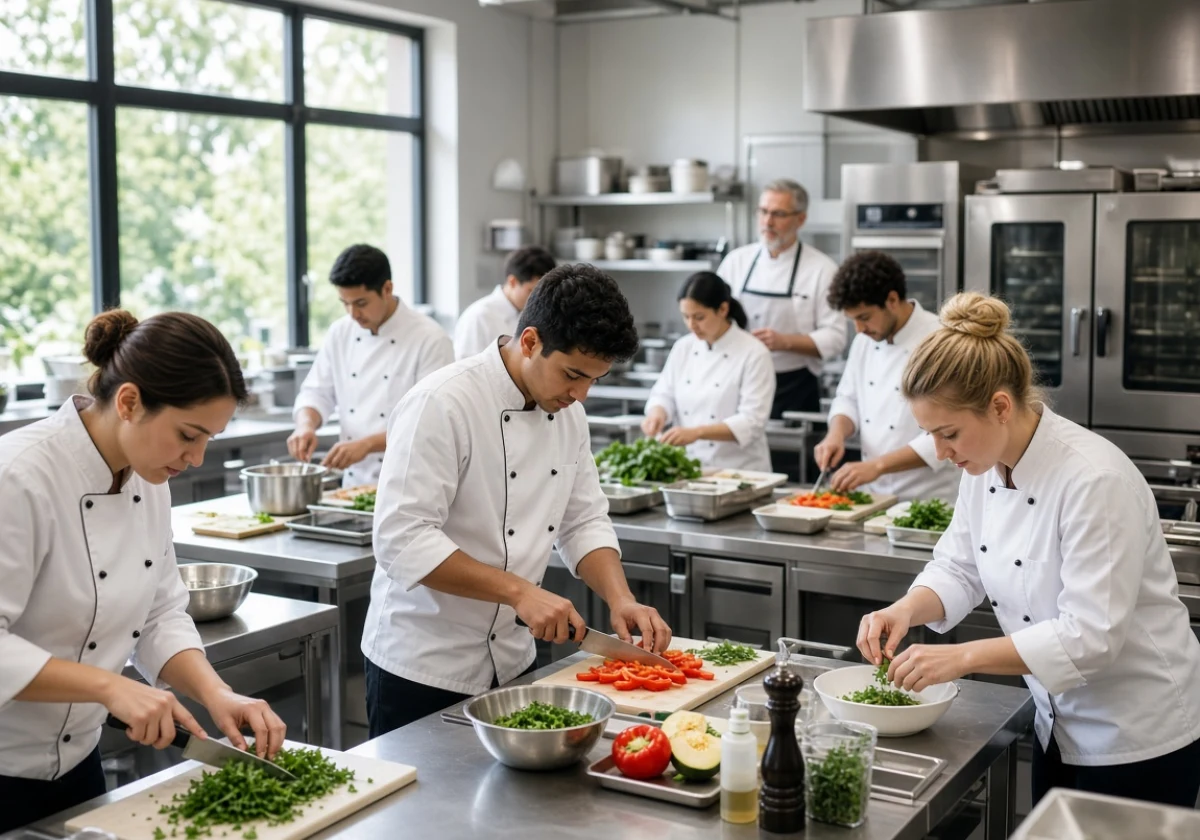
Culinary arts programs teach the method behind each recipe, not just the steps. Italian cuisine rewards that training because its simple dishes expose every decision a cook makes. That understanding rarely arrives on its own, though. At Fiore Restaurant, we’ve watched guests taste a familiar dish in a new way after cooking it once themselves.
A simple bowl of pasta often tastes better than a dish with twice as many ingredients. The difference usually comes down to preparation. Italian cooking relies on the right ingredients, techniques that suit the dish, and traditions that vary from one region to another. Take pasta, for example. You can cook it perfectly and still
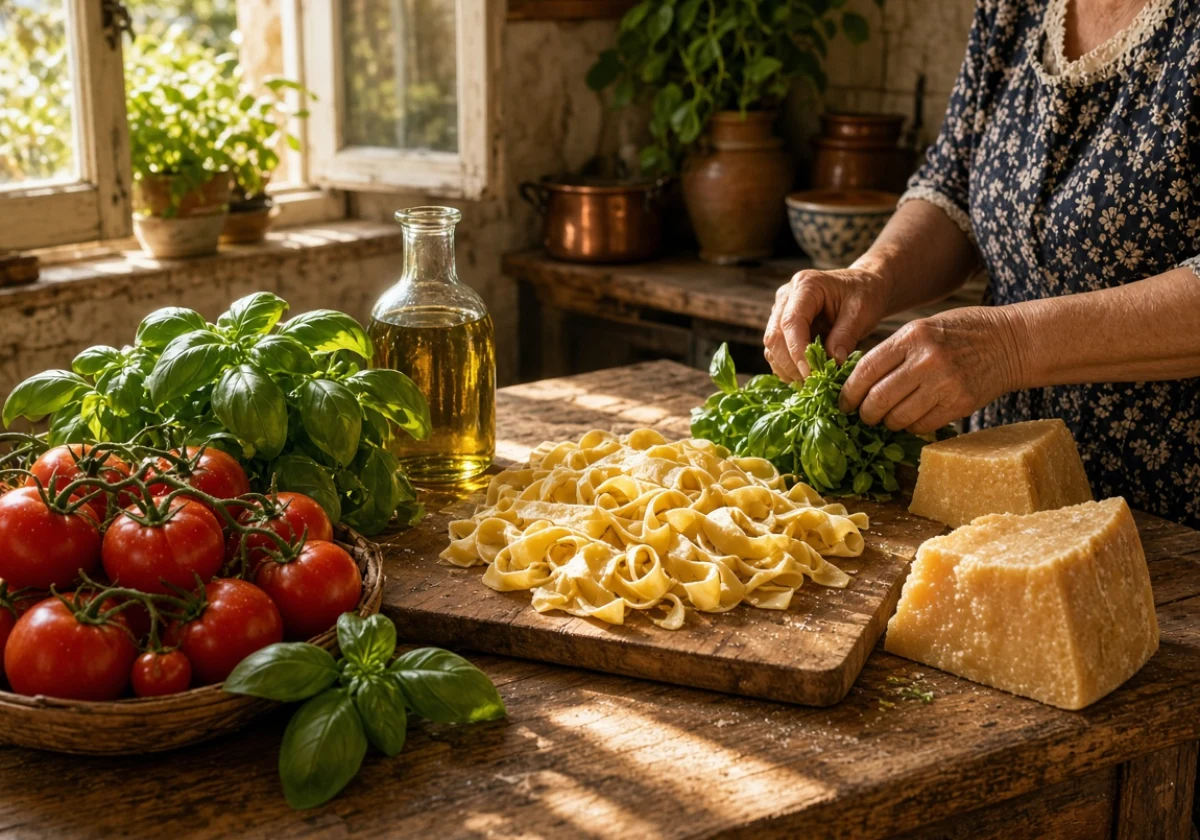
Italian food traditions rest on three habits: seasonal produce, regional recipes, and long shared meals. Many diners meet these culinary traditions far from Italy through menus at places like Fiore Restaurant rather than through travel. A menu lists the dishes, but it rarely explains the history of Italian cuisine behind each course. This guide covers
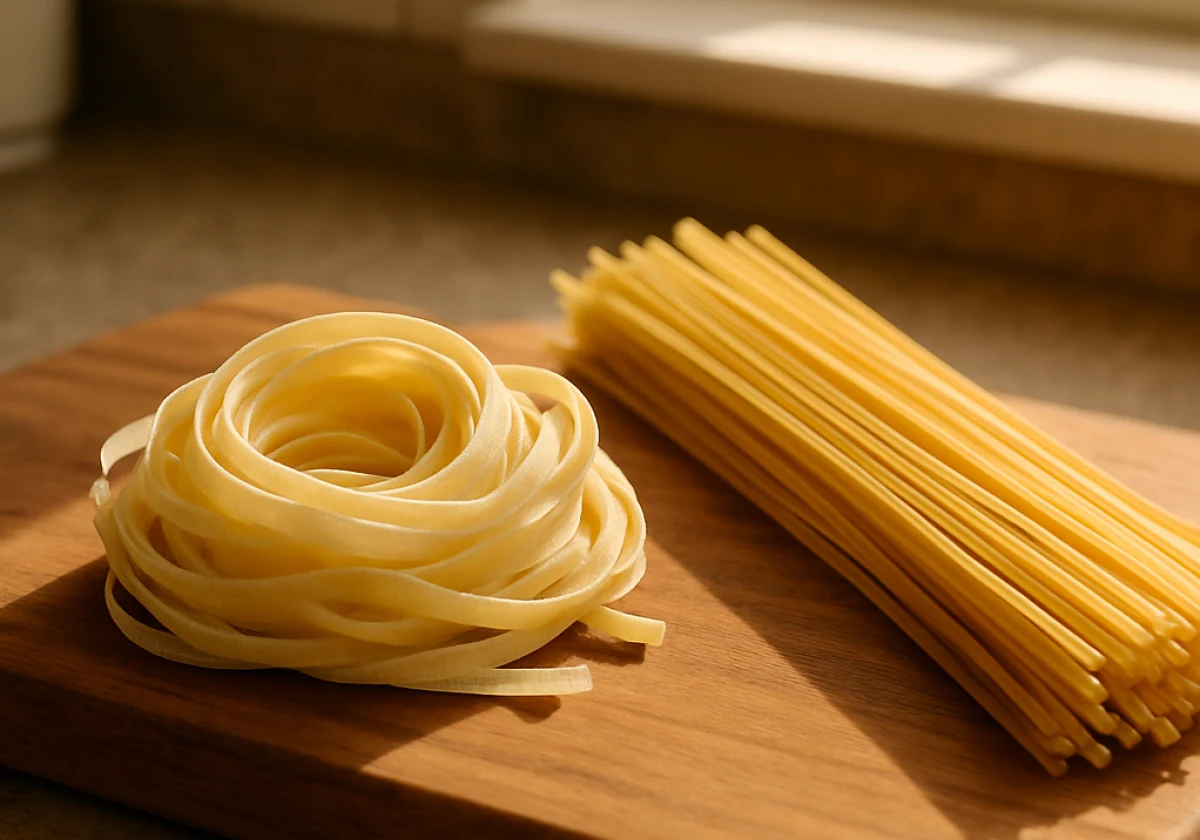
Fresh pasta differs from store-bought pasta in its ingredients, texture, cooking time, shelf life, and cost per serving. Those five gaps decide which one belongs in your pot tonight. Most home cooks settle the homemade vs. store-bought pasta question out of habit. And then they wonder why a sauce slides off the noodles or why

Wood-fired ovens and electric ovens both put a hot pizza on the table, but they get there in different ways. A wood oven burns a live fire. An electric oven runs on a thermostat and a dial. At Fiore Restaurant, home cooks ask us every week which oven makes the better pie. The question usually
Traditional regional Italian food and modern Italian cuisine have changed through new ingredients, lighter techniques, and globally influenced menus. Both still carry the same roots, yet they land on your plate in two different ways now. That shift confuses a lot of diners. They expect every Italian kitchen to cook the way a grandmother in